
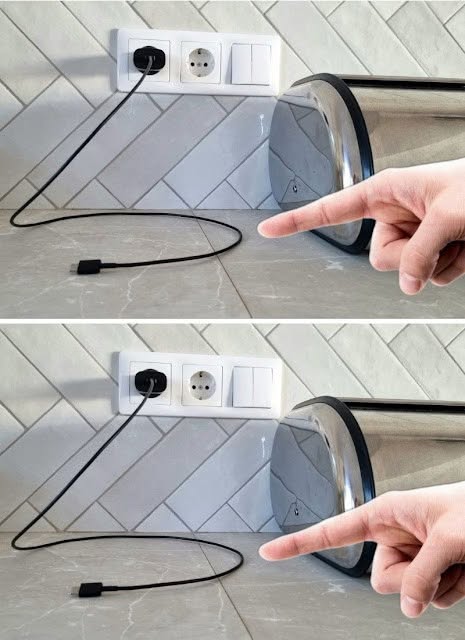
Is Leaving Your Phone Charger Plugged In Safe and Efficient? Truth vs. Myth
It is a common daily habit: plugging a smartphone charger into an outlet and leaving it connected to the wall even when no phone is attached. Over time, viral posts and internet myths have claimed that leaving unplugged cables in the wall wastes massive amounts of electricity, severely shortens the charger’s lifespan, or poses an immediate home fire hazard.
While modern electronics are far more efficient and safer than older generations of power adapters, there are still practical, safety, and financial reasons to understand how plugged-in chargers draw power.
In this comprehensive home energy and electrical safety guide, we examine how modern chargers operate, analyze standby power consumption, explore safety considerations, and share simple energy-saving habits for your home.
How Modern Phone Chargers Work: Standby Power Explained
To understand whether leaving a charger plugged in consumes electricity, it helps to look at internal charger architecture and how power converts from your wall outlet.
Switch-Mode Power Supplies (SMPS)
Modern phone chargers utilize Switch-Mode Power Supply technology. These compact adapters convert high-voltage alternating current (AC) from your home’s wall outlet into low-voltage direct current (DC) suitable for charging sensitive battery devices.
“Vampire Power” or Phantom Draw
When a charger remains plugged into an outlet without a device attached, its internal transformer and control circuits still complete a micro-circuit. This residual power draw is known as vampire power or phantom load.
Common Myths vs. Clinical & Electrical Reality
Navigating home energy claims requires distinguishing between minor efficiency loss and genuine electrical hazards.
+------------------------------------+-----------------------------------------------------------+
| Popular Myth                       | Electrical Reality                                        |
+------------------------------------+-----------------------------------------------------------+
| Drains Hundreds of Dollars a Year  | Standby draw costs less than $0.50 to $1.00 per year      |
| Poses an Immediate Fire Hazard     | Quality chargers have built-in safety cutoff circuits     |
| Continuously Wears Out Rapidly     | Modern solid-state components experience minimal idle wear |
| Draws Full Power When Unattached  | Power draw drops to tiny fraction of a watt when idle    |
+------------------------------------+-----------------------------------------------------------+
Myth 1: Leaving Chargers Plugged In Significantly Raises Electric Bills
In reality, a modern UL-certified phone charger connected without a phone draws a negligible amount of electricity—typically between $0.1$ and $0.5\text{ watts}$ per hour. Over an entire year of remaining plugged in continuous 24/7, a single idle charger consumes less than $1$ to $2\text{ kWh}$, adding only pennies to your annual electricity bill.
Myth 2: Idle Chargers Will Overheat and Catch Fire
Quality, certified chargers from reputable manufacturers feature built-in thermal protection and voltage regulators designed to manage idle current safely. However, cheap, counterfeit, or damaged non-certified chargers lack these protection circuits and can overheat or short-circuit.
Safety Guidelines: Potential Risks and Best Practices
Although power draw is minimal, leaving cables continuously plugged in comes with practical safety factors to keep in mind.
+----------------------------------+----------------------------------+------------------------------------+
| Safety Risk                      | Contributing Factors             | Recommended Prevention             |
+----------------------------------+----------------------------------+------------------------------------+
| Cable Tip Short-Circuiting       | Contact with liquid or metal     | Keep exposed tips away from sinks  |
| Pet and Child Hazards            | Chewing or placing tip in mouth  | Unplug unused cords or use covers  |
| Wear and Tear on Prongs          | Continuous strain on wall outlets| Use smart power strips with switches|
| Counterfeit Adapter Overheating  | Non-certified internal components| Purchase name-brand, certified units|
+----------------------------------+----------------------------------+------------------------------------+
1. Liquid and Metal Exposure
An active charging cable lying on a kitchen counter or nightstand maintains a small voltage on its exposed connector tip. If the open connector comes into contact with conductive metals, liquids, or damp surfaces, it can cause corrosion, spark, or short-circuit the adapter.
2. Pet and Child Safety
Domestic pets (especially puppies and kittens) or small children may bite or chew on live cable ends. Even low-voltage current can cause oral burns or mild electrical shocks.
Financial Considerations: Energy Efficiency and Household Savings
Managing home electronics involves understanding aggregate energy consumption and smart power management.
- Individual vs. Aggregate Impact: While a single phone charger consumes negligible phantom power, a typical household filled with dozens of idle electronics (TVs, gaming consoles, microwave clocks, laptop bricks, and phone cords) can collectively add $5\%$ to $10\%$ to monthly energy bills.
- Smart Power Strips: Utilizing power strips with individual switches or energy-saving smart plugs allows you to cut power to multiple idle chargers and electronics with a single switch.
- Replacing Damaged Equipment: Investing in certified replacement chargers ($15$ to $30$) ensures proper thermal overload protection and long-term device safety.
Fascinating Facts About Power Adapters and Household Energy
- Strict Efficiency Standards: Under international efficiency standards (such as Level VI energy efficiency rules), manufacturers must design phone chargers to consume less than $0.1\text{ watts}$ during no-load idle states.
- Heat Generation: Any charger that feels warm to the touch even when no device is attached is consuming excessive residual power and should be replaced.
- Vampire Loads Globally: Phantom loads across all household standby appliances account for roughly $100\text{ billion kWh}$ of wasted energy annually in the United States alone.
Practical Daily Tips for Managing Household Chargers
Incorporate these safe, convenient habits into your routine:
1. Unplug When Traveling
Get into the habit of unplugging all non-essential chargers and small appliances before heading out on vacation or extended trips to protect against unexpected power surges.
2. Designate a Central Charging Station
Set up a single power strip dedicated to charging family devices. Simply flip the master switch off when all devices are fully charged and unplugged.
3. Inspect Cables Regularly
Discard and replace any charging cables showing frayed insulation, bent connector pins, or signs of discoloration near the plug.
Conclusion
Leaving your phone charger plugged in continuously will not ruin your electric bill or pose a major danger if you use a high-quality, certified adapter. However, unplugging unused cables or switching off power strips helps prevent accidental tip short-circuits, protects pets and children, and reduces unnecessary phantom energy draw across your home.
Frequently Asked Questions (FAQ)
1. Does leaving a charger plugged in drain my phone battery faster when I do plug it in?
No. The charger’s power delivery to your phone depends on the phone’s battery management system and the adapter’s rated wattage, not on how long the adapter was plugged into the wall beforehand.
2. How can I tell if my charger is consuming too much standby power?
If a charger feels warm to the touch when no phone is connected, or if it makes a faint high-pitched humming or buzzing sound, it is drawing excess energy or experiencing internal component degradation.
3. Are cheap knockoff chargers safe to leave plugged in?
Unbranded or knockoff chargers often omit essential safety features, such as fuse protection, thermal cutoffs, and proper insulation distance. It is strongly recommended to unplug non-certified chargers when not in active use.
4. Should I leave my phone plugged in overnight?
Modern smartphones use lithium-ion batteries and smart charge controllers that stop drawing high current once the battery reaches $100\%$. However, removing the phone from the charger once full or using optimized night-charging settings helps prolong battery health over time.
