
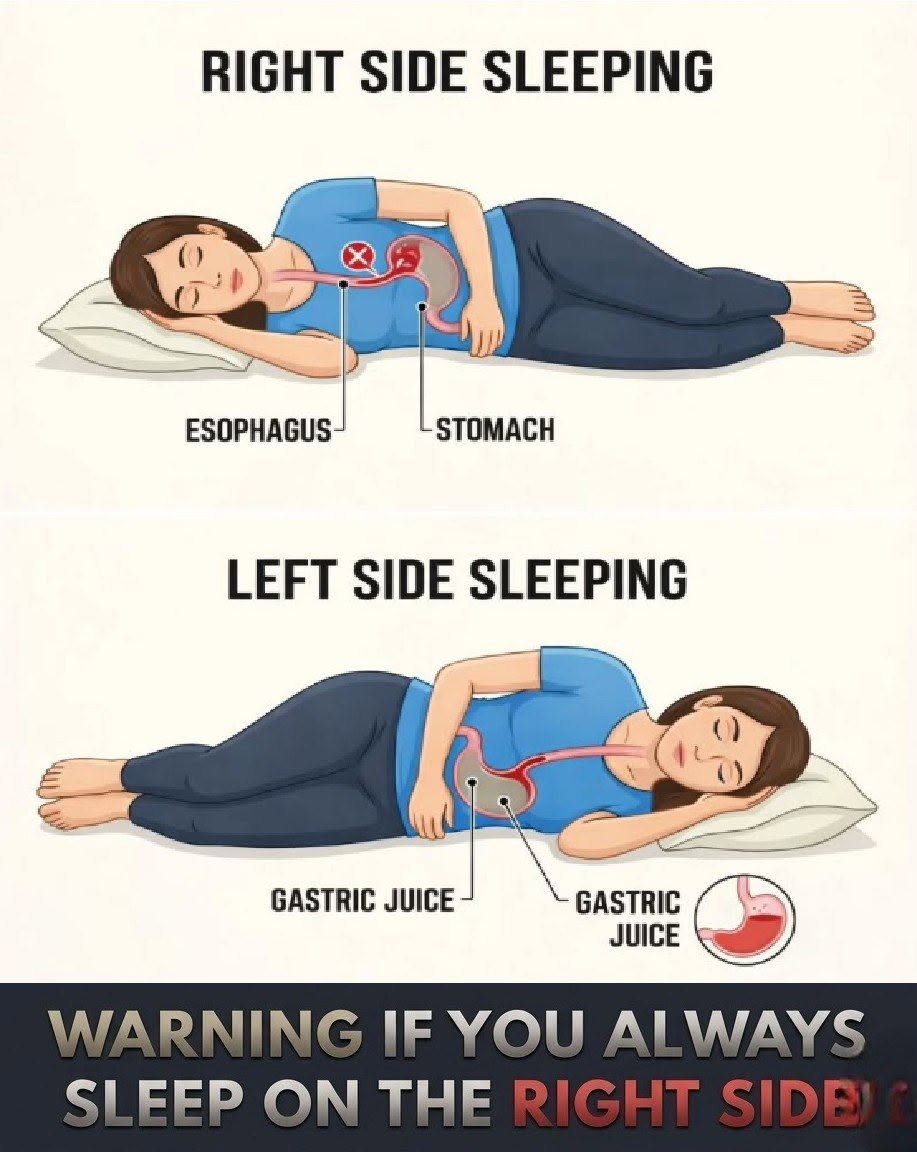
Sleep is one of the most fundamental pillars of overall health, directly influencing cognitive function, immune resilience, energy levels, and long-term cardiovascular performance. While most people pay close attention to mattress firmness, pillow height, or bedtime routines, very few consider how their physical sleep posture impacts internal organs during the night. The orientation in which you lay down for six to eight hours can significantly alter digestive processes, spinal alignment, blood circulation, and acid reflux risks.
Among sleep positions, side sleeping is by far the most popular across adults worldwide. However, medical research and anatomical studies highlight a dramatic difference in physiological effects between sleeping on your right side versus your left side. In this comprehensive health guide, we will explore the anatomical science of side sleeping, how gravity affects gastric acid and digestion, the health benefits of left-side sleeping, and actionable tips for training yourself to adopt healthier sleep habits.
The Anatomy of the Stomach and Esophagus
To understand why sleep orientation matters so much for gastrointestinal health, it helps to examine basic human anatomy. The stomach is an asymmetrical, pouch-like organ naturally situated on the left side of the upper abdominal cavity.
The Lower Esophageal Sphincter (LES)
The esophagus connects the mouth and throat to the stomach, terminating at a circular muscular valve known as the lower esophageal sphincter (LES). The LES acts as a one-way doorway: it opens to allow swallowed food and liquids into the stomach, then tightly seals to prevent corrosive gastric juices and digestive enzymes from flowing backward up into the delicate tissues of the esophagus.
How Gravity Plays a Role
Because the stomach curves naturally toward the left side, the junction where the esophagus enters the stomach sits higher up when your body is resting on its left side. Conversely, when lying on your right side, the stomach rests above the esophageal junction. Gravity then pools gastric acid directly against the LES valve, making leakage into the esophagus far more likely—especially after heavy evening meals.
Right-Side vs. Left-Side Sleeping: Key Physiological Differences
The biological effects of sleep posture extend well beyond acid reflux. Different anatomical systems respond uniquely depending on which side of your body bears weight overnight.
+---------------------------+---------------------------------------+---------------------------------------+
| Physiological Function    | Left-Side Sleeping                    | Right-Side Sleeping                   |
+---------------------------+---------------------------------------+---------------------------------------+
| Acid Reflux / GERD        | Reduces reflux; acid stays below LES  | Increases risk of heartburn & reflux  |
| Digestion & Nutrient Flow | Promotes smooth waste movement to colon| Slows digestive transition times      |
| Lymphatic Drainage        | Enhances waste filtering via thoracic | May slow natural lymphatic clearance |
| Cardiovascular Return     | Unpressures inferior vena cava vein   | Increases pressure on central veins   |
+---------------------------+---------------------------------------+---------------------------------------+
1. Acid Reflux and Gastroesophageal Reflux Disease (GERD)
For individuals struggling with heartburn, acid indigestion, or chronic GERD, sleeping on the left side offers immediate structural advantages. Keeping the stomach positioned lower than the esophagus prevents acidic gastric juices from creeping upward, reducing nocturnal burning sensations, coughing, and throat irritation.
2. Efficient Digestive Waste Transit
The natural flow of waste through the gastrointestinal tract follows a specific path. Digested food moves from the small intestine into the large intestine through the ileocecal valve, located in the lower right abdomen. It then travels up the ascending colon, across the transverse colon, and down the descending colon on the left side. Sleeping on your left side utilizes gravity to encourage smooth movement of digestive waste toward the descending colon, supporting healthy morning bowel movements.
3. Lymphatic System Clearance
The lymphatic system serves as the body’s primary waste-removal network, filtering toxins, cellular waste, and excess fluid. The dominant lymphatic vessel, known as the thoracic duct, drains into the left side of the venous system. Lying on the left side facilitates natural gravitational drainage, supporting immune filtration and fluid balance overnight.
4. Optimal Heart Circulation and Blood Flow
For pregnant women and adults with cardiovascular considerations, left-side sleeping relieves physical pressure on the inferior vena cava—the large vein responsible for returning deoxygenated blood from the lower body back to the heart. Reducing pressure on this major vein optimizes systemic circulation and fluid distribution.
Potential Drawbacks of Right-Side Sleeping
While right-side sleeping is not inherently dangerous for healthy individuals without acid issues, regularly adopting this posture can amplify specific discomforts for sensitive populations.
+-----------------------------------+------------------------------------------------------------------------+
| Health Concern                    | Impact of Right-Side Posture                                           |
+-----------------------------------+------------------------------------------------------------------------+
| Chronic Heartburn & Reflux        | Gravity forces stomach acid against the esophageal sphincter           |
| Delayed Gastric Emptying          | Unfavorable stomach angle slows fluid & meal transition into intestines|
| Pregnancy Circulation Constraints | Uterine weight presses against the liver & inferior vena cava vein      |
+-----------------------------------+------------------------------------------------------------------------+
Heartburn and Nocturnal Acid Flares
Sleeping on the right side relaxes or submerged the lower esophageal sphincter in gastric fluid. Over several hours, acid exposure can inflame the mucosal lining of the esophagus, causing pain, sleeplessness, and over time, chronic tissue inflammation.
Increased Strain During Pregnancy
Obstetricians strongly advise pregnant women, particularly during the second and third trimesters, to sleep on their left side. Sleeping on the right side or back can cause the enlarging uterus to press heavily against the liver and major blood vessels, restricting optimal oxygen and nutrient delivery to the placenta.
Practical Tips to Train Yourself to Sleep on Your Left Side
If you are a lifelong right-side, back, or stomach sleeper, transitioning to a left-side routine can take a little practice. Simple adjustments to your sleep environment can help you make the change comfortably.
1. The Pillow Support Technique
Place a firm body pillow or long supportive bolster behind your back while lying on your left side. The physical barrier prevents your body from rolling back onto your right side or stomach during deep sleep cycles. Inserting a small, contoured pillow between your knees keeps your pelvis, hips, and spine in neutral alignment, eliminating lower back strain.
2. Elevate Your Upper Body
If you suffer from severe acid reflux and find it difficult to stay consistently on your left side, consider using a wedge pillow or an adjustable bed frame to elevate your torso 6 to 8 inches. Physical elevation utilizes gravity to keep gastric juices inside the stomach regardless of minor shifts in body position.
3. Establish a Relaxing Bedtime Environment
- Avoid heavy meals, spicy foods, caffeine, and high-fat dinners within three hours of going to sleep.
- Dim ambient bedroom lighting and eliminate blue light exposure from screens 60 minutes before bed.
- Practice gentle stretching or deep breathing exercises to relax surrounding back and hip muscles prior to sleep.
Health Insurance, Wellness, and Long-Term Financial Planning
Taking proactive control of foundational health habits like sleep alignment and digestive wellness directly supports your overall financial stability. Chronic gastrointestinal disorders, severe acid reflux, and sleep apneas often lead to repeated physician visits, prescription medication expenses, diagnostic endoscopies, and missed workdays due to fatigue.
+-----------------------------------+-----------------------------------+-----------------------------------+
| Approach                          | Preventive Lifestyle Management   | Reactive Medical Care             |
+-----------------------------------+-----------------------------------+-----------------------------------+
| Financial Burden                  | Low (proper pillows & habits)     | High (medications & diagnostics)  |
| Quality of Life                   | Restful sleep & optimal energy    | Interrupted sleep & chronic pain  |
| Impact on Insurance Reserves      | Low claim utilization             | Increased out-of-pocket costs     |
+-----------------------------------+-----------------------------------+-----------------------------------+
By prioritizing restorative sleep hygiene and maintaining robust health insurance coverage, individuals safeguard their personal financial well-being. Investing in preventative daily health care allows family budgets, retirement savings, and long-term investments to remain secure against unpredicted medical expenditures.
Conclusion
The position in which you sleep plays an surprisingly vital role in how your body digests food, circulates blood, and manages acid balance throughout the night. Sleeping on your left side offers clear, anatomical benefits for reducing acid reflux, supporting healthy bowel transit, and facilitating natural lymphatic drainage.
By making simple adjustments with supportive pillows and practicing proper evening habits, you can train your body to rest comfortably on your left side, ensuring more restful sleep and better long-term digestive vitality.
Frequently Asked Questions (FAQ)
Is it bad to sleep on your right side if you don’t have acid reflux?
If you do not suffer from acid reflux, GERD, or cardiovascular issues, sleeping on your right side is generally safe and comfortable. However, if you ever experience evening heartburn or sluggish digestion, shifting to your left side provides immediate anatomical relief.
What is the best sleep position for spinal health?
Side sleeping with a pillow placed between your knees is widely considered ideal for maintaining neutral spinal alignment. This setup prevents your top leg from pulling your pelvis and lower spine out of alignment overnight.
Can left-side sleeping help with snoring and sleep apnea?
Yes. Side sleeping in general (left or right) helps keep airway passages open by preventing the tongue and soft palate tissues from collapsing backward into the throat, which frequently occurs when sleeping flat on your back.
How long does it take to adapt to a new sleep position?
Most people can adapt to a new sleep posture within 1 to 3 weeks of consistent practice using supportive pillows, body bolsters, and proper sleep environment setups.
