
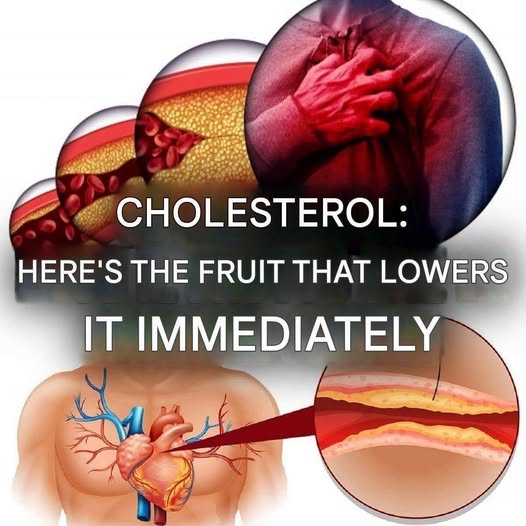
Cardiovascular health is a foundational pillar of overall well-being, influencing your daily energy, vitality, and long-term longevity. Maintaining healthy cholesterol levels is one of the most important steps you can take to protect your heart, reduce the risk of arterial plaque buildup, and prevent serious cardiovascular events.
Viral health headlines and online discussions frequently feature sensationalized claims about specific foods—such as a single fruit that supposedly lowers cholesterol “immediately”. While no single food can instantly reverse high cholesterol, incorporating nutrient-dense fruits and heart-healthy habits into your daily routine plays a powerful role in long-term cardiovascular wellness.
In this comprehensive guide, we will explore how cholesterol works, examine the impact of diet on heart health, and offer practical tips for managing cholesterol levels naturally. Along the way, we will also discuss how proactive health management intersects with broader life considerations, such as managing health insurance, planning for retirement, organizing personal finances, and securing legal protection through attorneys or estate planning.
Understanding Cholesterol: HDL vs. LDL
Cholesterol is a waxy, fat-like substance that your body needs to function properly, building cells and producing hormones. However, an imbalance in cholesterol types can impact arterial health:
1. Low-Density Lipoprotein (LDL)
Often referred to as “bad” cholesterol, excess LDL can accumulate in the walls of your blood vessels, forming hard plaques that narrow arteries and restrict blood flow over time.
2. High-Density Lipoprotein (HDL)
Known as “good” cholesterol, HDL acts as a cleanup crew, absorbing excess cholesterol in the bloodstream and carrying it back to the liver to be processed and flushed out of the body.
How Diet and Fruit Support Heart Health
While internet claims often look for quick fixes, scientific research consistently shows that gradual, sustainable dietary adjustments yield the best results for cholesterol management:
1. The Power of Soluble Fiber
Many fruits—such as apples, pears, citrus fruits, and berries—are rich in soluble fiber (specifically pectin). Soluble fiber binds to cholesterol in the digestive tract, helping the body eliminate it before it can be absorbed into the bloodstream.
2. Antioxidants and Heart Protection
Fruits are packed with vitamins, minerals, and antioxidants that help reduce systemic inflammation and protect blood vessel walls from oxidative damage associated with heart disease.
The Broader Impact: Protecting Your Health, Finances, and Future
Prioritizing your cardiovascular health ensures you maintain the energy and mobility needed to enjoy your career, travel freely, and spend quality time with loved ones during your retirement.
Furthermore, maintaining stable health records and proactive wellness habits simplifies administrative matters, such as securing favorable rates on health insurance policies, managing unexpected medical expenses, and coordinating with financial planners or attorneys to establish robust estate planning.
Practical Tips for Managing Cholesterol Naturally
- Eat a Fiber-Rich Diet: Incorporate a wide variety of fresh fruits, vegetables, whole grains, and legumes into your daily meals to support healthy digestion and cholesterol removal.
- Choose Healthy Fats: Replace saturated and trans fats with heart-healthy unsaturated fats found in olive oil, avocados, nuts, and fatty fish.
- Engage in Regular Exercise: Participate in moderate aerobic activities like brisk walking, cycling, or swimming most days of the week to help boost your HDL (“good”) cholesterol levels.
- Maintain a Healthy Weight: Losing excess body weight through balanced nutrition and physical activity can significantly improve your overall lipid profile.
- Schedule Routine Blood Panels: Work closely with your healthcare provider to monitor your cholesterol levels regularly through routine blood tests.
Interesting Facts About Cholesterol and Nutrition
- The Liver’s Role: The vast majority of the cholesterol in your body is actually produced naturally by your liver, with only a smaller percentage coming directly from dietary sources.
- Historical Dietary Shifts: Modern nutritional science has evolved from broad restrictions on all dietary fats toward focusing on the specific types of fats and overall dietary quality.
- Plant Sterols and Stanols: Naturally occurring compounds found in fruits, vegetables, and fortified foods can actively block the intestinal absorption of dietary cholesterol.
- The Cardiovascular System: The human body contains nearly 60,000 miles of blood vessels, highlighting the importance of keeping arterial pathways clear and flexible.
Conclusion
While viral claims about foods that lower cholesterol instantly make for catchy headlines, maintaining true cardiovascular health relies on consistent, balanced nutritional habits and healthy lifestyle choices. By adding fiber-rich fruits and wholesome foods to your daily routine, you actively support your heart.
Taking care of your health today safeguards your physical well-being, protects your financial stability, and ensures a secure foundation for a wonderful retirement.
FAQ Section
Q: Can eating a specific fruit instantly lower your cholesterol? A: No food can lower cholesterol immediately. While nutrient-dense fruits support heart health and improve cholesterol levels over time through regular consumption, managing cholesterol requires consistent dietary and lifestyle habits.
Q: Which fruits are best for heart health?
A: Fruits high in soluble fiber and antioxidants—such as apples, citrus fruits, berries, grapes, and avocados—are especially beneficial for supporting healthy cholesterol levels.
Q: What is the difference between HDL and LDL cholesterol?
A: LDL (“bad”) cholesterol builds up in artery walls and increases heart disease risk, while HDL (“good”) cholesterol helps remove excess cholesterol from the bloodstream.
Q: How can I raise my HDL cholesterol naturally?
A: You can help raise HDL levels by engaging in regular aerobic exercise, quitting smoking, losing excess weight, and replacing unhealthy fats with healthy unsaturated fats.
Q: When should I have my cholesterol checked by a doctor?
A: Adults should generally have their cholesterol checked every 4 to 6 years, or more frequently if they have risk factors such as a family history of heart disease, high blood pressure, or diabetes.
