
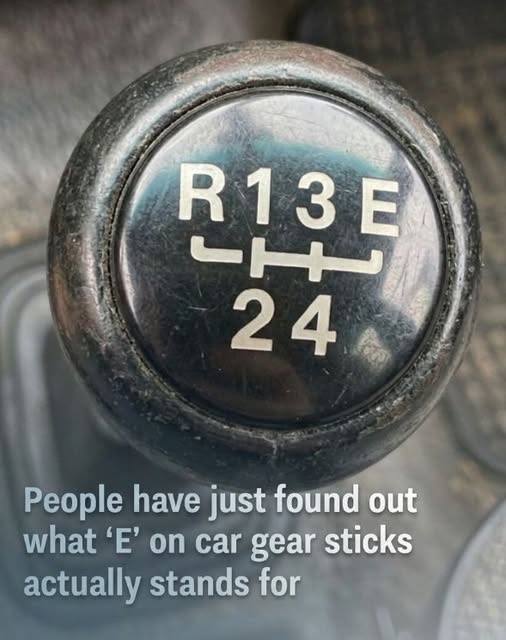
Throughout the evolution of the automotive industry, manual and specialized transmissions have featured a wide variety of shift patterns and gear labels. From standard five-speed gearboxes to heavy-duty commercial and vintage vehicle configurations, understanding how different gear ratios operate is fascinating for car enthusiasts and everyday drivers alike. Exploring unique transmission layouts provides a great look into automotive engineering and vehicle design.
In this comprehensive guide, we will explore the mechanics of car transmissions, financial and insurance considerations for vehicle upkeep, practical tips for safe driving, and fascinating insights into automotive history.
Understanding Transmission Design and Gear Layouts
Vehicle gear shifters are engineered to transmit power from the engine to the wheels efficiently, utilizing different gear ratios for acceleration, cruising, and reversing.
Key Aspects of Transmission Systems
- Gear Ratios: Lower gears provide maximum torque for starting from a stop, while higher gears optimize fuel efficiency during cruising.
- Specialized Layouts: Certain vintage, heavy-duty, or specialized vehicles feature unique shift patterns—such as crawler gears or specific economic modes denoted by letters like “E”.
- Mechanical Maintenance: Regular transmission fluid checks and smooth shifting habits help extend the operational lifespan of a vehicle’s drivetrain.
Understanding your vehicle’s specific transmission layout ensures proper handling and optimal performance under various driving conditions.
Financial, Insurance, and Maintenance Considerations
Owning and maintaining a vehicle involves managing ongoing service costs, insurance policies, and repair budgets.
Essential Automotive and Financial Factors
- Routine Drivetrain Maintenance: Changing transmission fluid and inspecting clutches or linkages prevents costly mechanical failures down the road.
- Auto Insurance Coverage: Maintaining comprehensive vehicle insurance protects against unexpected breakdowns, accidents, and roadside emergencies.
- Professional Inspections: Partnering with trusted mechanics for regular check-ups ensures your car remains safe, reliable, and road-worthy.
Proactive vehicle care safeguards both your financial investment and your safety behind the wheel.
Practical Tips for Smooth Driving and Car Care
To keep your vehicle operating smoothly and extend the life of your transmission, consider incorporating these practical tips into your driving routine:
- Shift Smoothly: Avoid forcing or slamming the gear stick; use gentle, deliberate movements when changing gears.
- Use the Parking Brake: Always engage the parking brake before releasing the foot brake on inclines to prevent undue stress on the transmission.
- Keep Up with Fluid Changes: Follow your manufacturer’s recommended schedule for checking and replacing transmission and engine fluids.
- Listen for Unusual Noises: Pay attention to grinding sounds, whining, or difficulty shifting, and have them evaluated promptly by a mechanic.
- Practice Defensive Driving: Anticipating traffic stops and accelerating smoothly reduces wear and tear on both brakes and the drivetrain.
Interesting Facts About Automotive Transmissions
- The Evolution of Shifters: Early automobiles featured various experimental manual shift patterns before the standard H-pattern became universally adopted.
- Efficiency Focus: Specialized gear indicators, such as an “E” designation, have historically been used in certain vehicles to denote economy modes or specialized crawler ranges.
- Global Engineering: Transmission design is one of the most rigorously tested branches of mechanical engineering, balancing fuel economy with raw pulling power.
- The Rise of Automatics: While manual transmissions were once standard for fuel savings, modern automatic and dual-clutch systems often outperform manual shifters in efficiency.
Conclusion
Automotive transmissions and gear shift patterns represent a rich history of engineering ingenuity. By understanding how different gear configurations work, staying diligent with routine maintenance, and practicing smooth driving habits, you can keep your vehicle running reliably for years to come. True automotive longevity comes from a blend of mechanical awareness and proactive care.
FAQ Section
What does the “E” on some gear shifters stand for?
Depending on the specific vehicle and transmission type, letters like “E” can designate specialized gear ranges, such as an economy mode or a low-range crawler gear designed for specific driving conditions.
How often should transmission fluid be changed?
Manufacturer recommendations vary widely, but transmission fluid is generally inspected every 30,000 to 60,000 miles to ensure optimal shifting performance.
Why is smooth shifting important for a manual transmission?
Smooth shifting reduces premature wear on synchronizers, clutch plates, and internal mechanical linkages, preventing costly transmission repairs.
How can I tell if my transmission is having issues?
Common warning signs include slipping gears, delayed engagement when shifting into drive or reverse, unusual grinding noises, or fluid leaks under the vehicle.
