
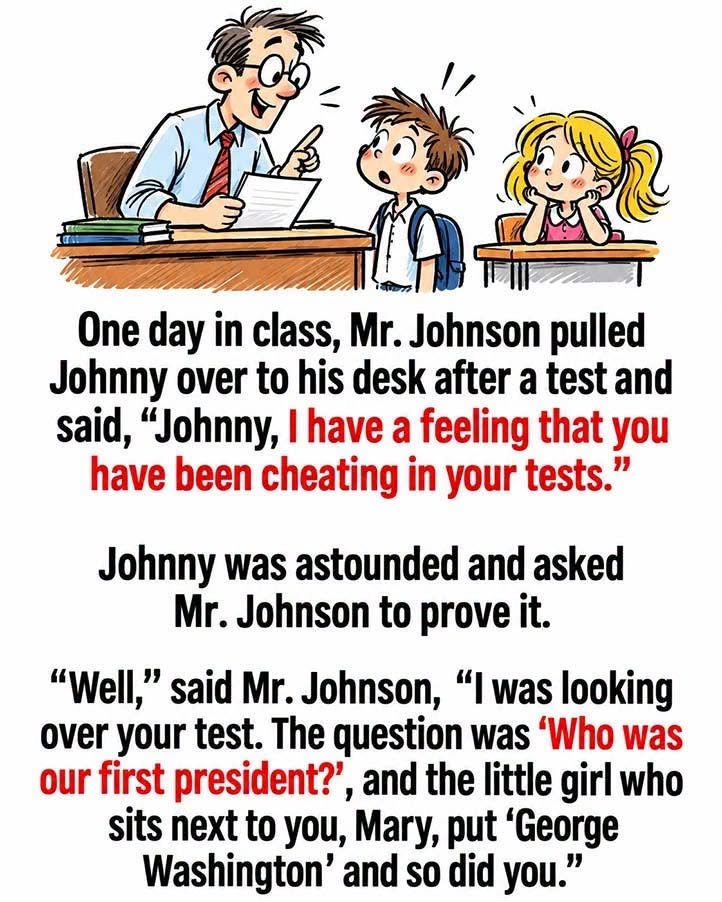
Humor has always played a vital role in human communication, education, and social bonding. From classic school jokes and clever riddles to lighthearted classroom anecdotes, humorous stories capture our attention and bring a smile to our faces. They allow us to connect with others, relieve daily stress, and look at everyday situations with a sense of playfulness.
Beyond their entertainment value, engaging with jokes and riddles offers fascinating insights into human psychology, storytelling traditions, and mental wellness. In this comprehensive guide, we will explore the history of classroom humor, the cognitive benefits of laughing, financial and lifestyle considerations for family entertainment, and practical tips to keep your mind sharp and joyful.
The Psychology and Appeal of Classroom Humor
Why do jokes about school life and student-teacher interactions resonate so deeply with audiences across generations? The answer lies in shared cultural experiences and the universal nature of learning environments.
Key Factors Behind Humor Popularity
- Shared Cultural Memory: Most adults and students share memories of classrooms, tests, and quirky teachers, making school jokes instantly relatable.
- Cognitive Surprise: Jokes often rely on misdirection and unexpected punchlines, which stimulate mental agility and reward the brain with a burst of dopamine.
- Stress Relief: Laughter is a powerful natural stress reliever that promotes emotional well-being and positive social interaction.
Understanding these psychological drivers explains why lighthearted jokes spread rapidly across digital platforms and social media.
Financial, Legal, and Lifestyle Aspects of Leisure Activities
While enjoying a funny story is a casual pastime, balancing entertainment and leisure effectively contributes to overall life balance and mental health.
Key Considerations in Lifestyle Management
- Mental Health and Wellness: Regular exposure to humor and laughter helps reduce anxiety, improves mood, and supports long-term mental resilience.
- Family and Community Bonding: Sharing jokes and stories creates inexpensive, screen-free opportunities for social connection and joyful communication.
- Digital Content and Marketing: For digital publishers and creators, humorous stories and relatable anecdotes are powerful tools for driving engagement, boosting website traffic, and building online communities.
Balancing professional responsibilities with lighthearted leisure activities ensures a well-rounded and fulfilling lifestyle.
Practical Tips for Enjoying and Sharing Humor
To make the most of your leisure time and share laughter with friends and family, consider incorporating these practical tips into your daily routine:
- Share Daily Positivity: Start conversations with a funny story, a lighthearted riddle, or a positive anecdote to brighten someone’s day.
- Engage Others: Share jokes with family or colleagues to compare perspectives and enjoy a moment of shared laughter.
- Embrace Playfulness: Keep a sense of curiosity and humor alive, even during busy or stressful workweeks.
- Explore Classic Media: Read classic joke books, funny short stories, or comedic essays to keep your mind entertained and relaxed.
- Maintain Balance: Combine productivity with regular breaks for leisure and entertainment to support overall well-being.
Interesting Facts About Humor and Human Laughter
- Ancient Roots: Written jokes and humorous anecdotes have been discovered on ancient artifacts dating back thousands of years, proving that humans have always loved a good laugh.
- Universal Language: Laughter is a universal human trait understood across all cultures and languages, serving as a powerful tool for social connection.
- Health Benefits: Clinical studies suggest that laughing lowers blood pressure, boosts the immune system, and triggers the release of endorphins.
- Digital Sharing: Modern social media platforms have transformed traditional word-of-mouth jokes into global phenomena, connecting millions of humor enthusiasts instantly.
Conclusion
Classroom jokes and humorous anecdotes offer a delightful escape from the routine of daily life, inviting us to look at ordinary school memories with a sense of joy and amusement. Whether you love solving riddles, sharing funny stories with friends, or exploring internet trivia, keeping your sense of humor alive is a wonderful way to stay positive. By balancing leisure, mental wellness, and playful curiosity, you can enrich your everyday routine with moments of laughter and connection.
FAQ Section
Why are jokes and humor good for mental health?
Humor reduces stress, elevates mood, encourages social bonding, and provides a healthy mental break from daily pressures.
How do humorous stories increase online engagement?
Relatable, funny content encourages users to comment, tag friends, and share their own experiences, which naturally boosts visibility and interaction on social media.
Is humor universal across different cultures?
Yes! While the specific context of jokes can vary, the physical act of laughing and the appreciation for clever punchlines are shared by all human cultures.
Can anyone develop a better sense of humor?
Yes! Engaging with comedic literature, watching funny films, and practicing lighthearted storytelling can help anyone appreciate and share humor more effectively.
