
Introduction
Dealing with the loss of a loved one is one of the most emotionally challenging experiences we face in life. Amidst the profound grief, families are frequently faced with the practical and daunting task of sorting through the personal belongings, mementos, and property left behind. While holding onto treasured keepsakes can provide comfort, tradition and emotional well-being often guide us to let go of specific items that may hinder the healing process or carry unnecessary emotional weight.
Exploring how we handle personal estates and memories offers valuable insight into grief management, emotional health, and mindful living. Understanding what items are best released or handled with special care helps families navigate estate clearing with peace of mind.
The Emotional Weight of Inherited Belongings
Objects often hold powerful emotional associations, serving as physical tethers to people and moments we hold dear.
Why Letting Go Matters
- Healing and Closure: Holding onto every single item a person owned can sometimes prolong grief by keeping raw reminders constantly in view.
- Creating Space for Memories: Letting go of burdensome or negative items allows surviving family members to focus on cherished positive memories rather than physical clutter.
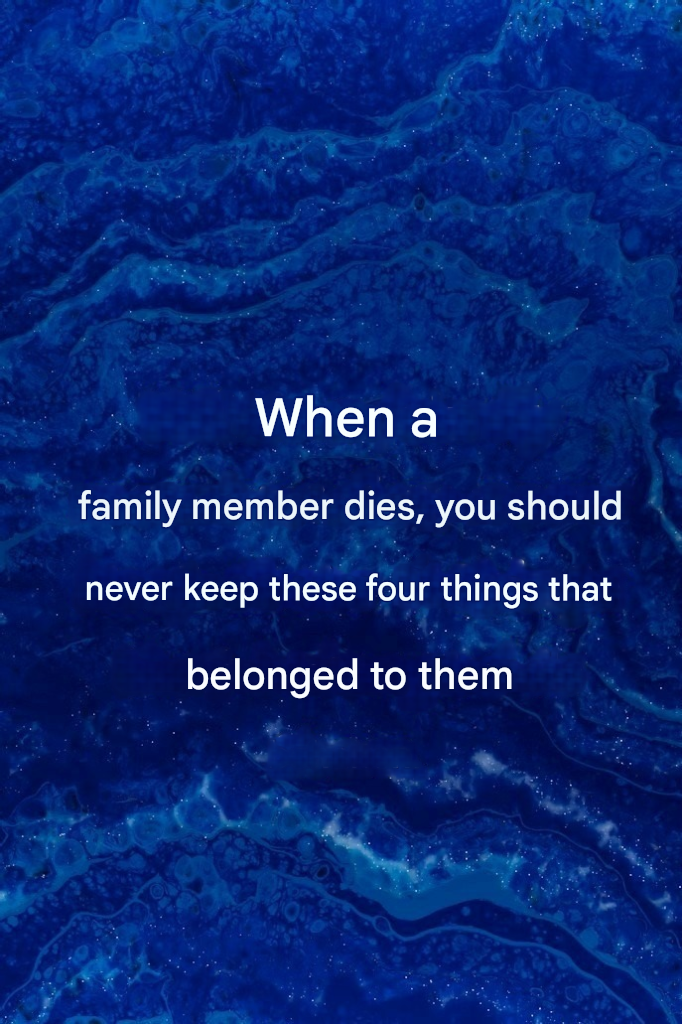
4 Things You Should Reconsider Keeping After a Loved One Passes
While every family’s traditions and emotional boundaries are unique, estate and grief management guidelines often suggest exercising careful thought regarding specific categories of items.
1. Items Tied to Unresolved Conflicts or Negative Memories
- Releasing Pain: Objects associated with painful disputes, stress, or bitter memories can impede emotional recovery and are often best donated, discarded, or resolved.
2. Expired Medications and Medical Supplies
- Safety and Hygiene: Leftover prescription drugs and medical equipment should be safely disposed of or returned to pharmacies rather than stored away, preventing accidental misuse.
3. Deeply Personal or Confidential Digital/Paper Records
- Protecting Privacy: Outdated confidential paperwork, sensitive financial documents, or unused digital accounts require secure shredding or closure to protect the deceased’s privacy and prevent identity theft.
4. Cluttered Accumulations with No Sentimental or Practical Value
- Avoiding Burden: Piles of unorganized everyday items or broken goods that held no personal significance to the deceased or surviving relatives can be sorted and cleared to reduce stress.
Practical Tips for Managing an Estate and Honoring Loved Ones
Sorting through a loved one’s belongings requires patience, sensitivity, and structured organization.
- Take Your Time: Avoid rushing the sorting process; give yourself and your family adequate emotional space to make decisions.
- Involve Family Collaboratively: Work together with relatives to distribute meaningful keepsakes peacefully and fairly.
- Donate Usable Goods: Give clothing, books, and household items in good condition to charitable organizations to benefit others in need.
- Manage Lifestyle Stress: Maintaining a balanced daily routine, getting restorative sleep, and practicing effective personal financial budgeting support overall well-being during times of transition.
Interesting Facts About Mourning Traditions Across Cultures
- Customs of Letting Go: Many cultures worldwide practice traditional periods of mourning where specific personal belongings of the deceased are ceremonially cleaned, distributed, or cleared.
- The Psychology of Mementos: Psychologists note that keeping a few select, high-value sentimental items helps anchor positive memories far more effectively than keeping an entire estate intact.
- Modern Estate Planning: Clear wills and advance directives help minimize the burden on grieving families by outlining exact wishes for personal property.
Conclusion
Navigating the aftermath of a loved one’s passing is a deeply personal journey of love, memory, and healing. By thoughtfully deciding which items to cherish and which belongings to release, families can honor their loved ones while fostering peace and emotional clarity. Approach the process with grace, compassion, and care.
FAQ Section
Why is it difficult to clear out a deceased loved one’s belongings?
Personal items carry strong emotional attachments and serve as physical reminders of the person, making the process of sorting through them psychologically heavy.
What should be done with leftover prescription medications?
Unused or expired medications should be safely disposed of through community drug take-back programs or returned to local pharmacies rather than kept in the home.
How can you decide what items to keep?
Focus on items that hold genuine sentimental value or positive shared memories, while considering donating or letting go of items that cause distress or serve no practical purpose.
When is the right time to start sorting an estate?
There is no set timeline; families should wait until they feel emotionally ready, whether that is weeks or months after the passing.
