
Introduction
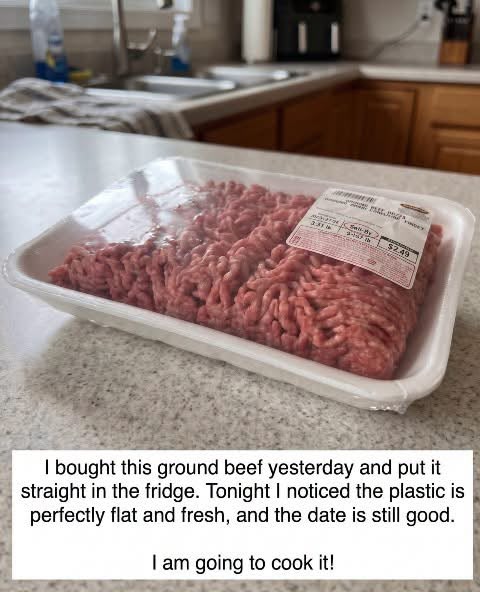
Grocery shopping and meal planning are routine tasks for households everywhere, but ensuring that the ingredients we bring home are safe to consume is paramount. Meat products, in particular, require careful handling, proper storage, and diligent inspection before preparation. A common kitchen scenario involves checking a package of ground beef purchased a day or two prior, noticing that the plastic wrap is smooth and tightly sealed, checking the printed date, and deciding whether it is ready for tonight’s dinner.
While a good expiration date and intact packaging are positive signs, food safety involves more than just a quick glance at the label. Understanding meat storage guidelines, recognizing signs of spoilage, and knowing how to prevent foodborne illness are essential skills for any home cook. In this comprehensive guide, we will explore the science of meat packaging, how to inspect ground beef properly, food safety protocols, and practical tips for handling perishable items in your kitchen.
Understanding Ground Beef Packaging and Vacuum Sealing
When you purchase ground beef from a supermarket, the packaging method plays a major role in preserving freshness and extending shelf life.
Modified Atmosphere Packaging (MAP)
Many modern meat packages utilize Modified Atmosphere Packaging or tight plastic overwrap.
- Tightly Stretched Plastic: A flat, taut plastic wrap indicates that the package was sealed securely, minimizing exposure to ambient air and preventing exterior contaminants from reaching the meat.
- Color Variations: Consumers often notice that ground beef on the outside is bright red while the interior meat looks darker or purplish. This occurs because myoglobin—the iron-containing protein responsible for meat color—turns bright red when exposed to oxygen. The inner meat may lack oxygen exposure, which is completely normal and does not indicate spoilage.
How to Determine If Ground Beef Is Safe
Never rely solely on the sell-by date printed on the package. Perishable meats can spoil prematurely if they were left out in a grocery cart too long before refrigeration or if home refrigerator temperatures fluctuate. When evaluating ground beef, inspect it using the senses of sight, smell, and touch:
1. Visual Inspection
- Color: While slight darkening inside the package is normal, an overall gray or greenish discoloration across the entire batch usually signifies bacterial growth and spoilage.
- Texture: Fresh ground beef should be firm yet tender. If the meat feels excessively sticky, slimy, or tacky to the touch, it has likely begun to spoil.
2. Smell Test
- Fresh Meat Odor: Fresh ground beef has a very mild, neutral scent or virtually no odor at all.
- Spoilage Odor: If the package emits a sour, pungent, putrid, or ammonia-like smell when opened, discard it immediately. Never taste raw meat to check for freshness.
Food Safety Protocols and Preventing Foodborne Illness
Ground beef poses unique food safety challenges compared to whole cuts of steak or roasts. Because beef is ground, any bacteria present on the surface of the meat during processing are mixed thoroughly throughout the entire batch.
Key Safety Guidelines
- Cooking Temperatures: According to food safety authorities, ground beef must be cooked to an internal temperature of 160°F (71°C) measured with a meat thermometer to ensure harmful pathogens like E. coli are destroyed.
- The Danger Zone: Bacteria multiply rapidly in temperatures between 40°F and 140°F (4°C and 60°C). Never leave raw meat sitting on a kitchen counter at room temperature for more than two hours (or one hour if ambient temperatures exceed 90°F).
- Cross-Contamination Prevention: Always use separate cutting boards, clean utensils, and sanitized surfaces when handling raw meat to prevent transferring bacteria to ready-to-eat foods like vegetables or bread.
Practical Tips for Meat Storage and Freezing
Proper storage practices maximize freshness and protect your household grocery budget from unnecessary food waste.
- Refrigerator Storage: Store raw ground beef in the coldest part of your refrigerator (typically the bottom shelf) to prevent juices from dripping onto other foods. Raw ground beef should be cooked or frozen within 1 to 2 days of purchase.
- Freezing for Longevity: If you cannot cook ground beef within a couple of days, wrap the original packaging tightly in heavy-duty aluminum foil or freezer wrap and store it in the freezer, where it remains safe indefinitely (though best used within 4 months for optimal quality).
- Safe Thawing Methods: Never thaw frozen ground beef on the kitchen counter. Instead, thaw it safely in the refrigerator overnight, submerged in cold tap water (changing the water every 30 minutes), or in the microwave using the defrost setting immediately before cooking.
Financial, Health, and Kitchen Management Insights
Managing perishable food inventory efficiently helps families balance household expenses while safeguarding health. Food spoilage results in wasted money and potential health risks.
When unexpected food safety issues arise, having access to reliable guidance or consulting medical professionals if foodborne illness symptoms occur ensures peace of mind. Furthermore, maintaining proper homeowners or renters insurance, keeping kitchen appliances in top working condition, and investing in reliable food storage tools contribute to a secure, well-managed home environment.
Interesting Facts About Meat Processing and Preservation
- The History of Refrigerated Transport: The invention of mechanical refrigeration and refrigerated railcars in the 19th century revolutionized the meat industry, allowing fresh perishable goods to be safely transported across continents.
- Why Ground Beef Browns: As meat is exposed to oxygen over time, myoglobin oxidizes, turning the meat brown. While unappealing, a slight brownish tint alone does not mean the meat is spoiled if it passes the smell and texture tests.
- Global Consumption: Beef remains one of the most widely consumed meats worldwide, supporting vast agricultural supply chains and diverse culinary traditions.
Conclusion
Inspecting your groceries—such as checking whether ground beef packaging is secure, evaluating sell-by dates, and assessing the meat’s appearance and smell—is an essential part of safe home cooking. If your ground beef is within its date, smells neutral, and shows no signs of sliminess or discoloration, it is generally safe to prepare, provided you cook it thoroughly to a safe internal temperature. By practicing diligent food safety habits, you protect your household’s health, minimize food waste, and enjoy delicious, homemade meals with complete confidence.
FAQ Section
1. Is it safe to eat ground beef past the sell-by date? The sell-by date is a guideline for retail inventory rather than a strict safety deadline. However, raw ground beef should ideally be cooked or frozen within 1 to 2 days of purchase, regardless of the date printed on the label.
2. Why is ground beef bright red on top and dull brown inside? This color difference is caused by varying levels of oxygen exposure. The surface exposed to air turns bright red, while the interior lacking oxygen exposure appears brownish-purple, which is completely normal.
3. What should I do if I suspect ground beef has gone bad? When in doubt, throw it out. Consuming spoiled meat can lead to severe foodborne illness. Never attempt to “fix” spoiled meat by washing or heavily seasoning it.
