
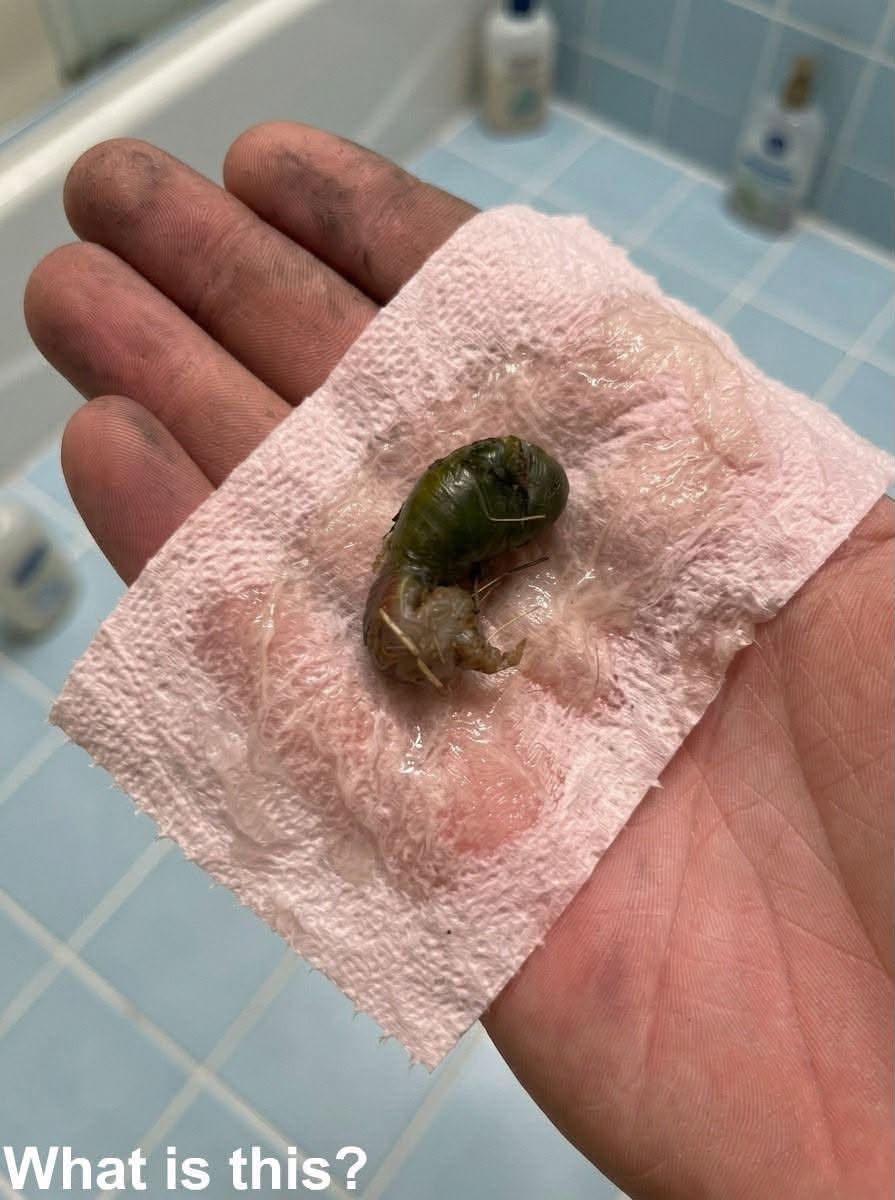
Maintaining a safe, healthy, and clean living environment is a top priority for homeowners and renters alike. However, unexpected situations—such as discovering strange debris, biological matter, or unusual household waste—can raise immediate concerns about sanitation, safety, and hygiene. Knowing how to handle mysterious objects safely while keeping your home protected involves understanding basic home sanitation, health protocols, and risk management strategies.
In this comprehensive guide, we will explore effective home hygiene practices, essential safety procedures when encountering unknown biological or organic items, environmental considerations, and practical advice for protecting your family and home investment.
The Importance of Home Sanitation and Debris Identification
Every household encounters unexpected maintenance issues from time to time. From plumbing blockages and garden pests to stray organic matter brought indoors, being equipped with proper disposal knowledge keeps your home safe and sanitary.
Potential Origins of Mysterious Household Objects
- Plumbing and Drainage Residue: Accumulations of hair, soap scum, grease, and mineral deposits can sometimes form strange-looking masses inside sink or shower drains.
- Pest and Wildlife Activity: Rodents, insects, or birds can introduce biological waste, cocoons, or food remains into living spaces, attic areas, or bathroom vents.
- Outdoor and Plant Matter: Organic material tracked inside from garden beds or outdoor work can degrade into unrecognizable shapes over time.
Identifying the source of unusual residue allows homeowners to address underlying maintenance issues before they turn into costly repairs.
Financial, Insurance, and Legal Aspects of Home Maintenance
Dealing with persistent hygiene or environmental hazards inside a property often carries financial and structural considerations. Protecting your property value requires proactive maintenance and knowledge of available resources.
Key Factors in Property and Health Management
- Homeowners Insurance Coverage: Understanding what your home insurance policy covers—such as sudden plumbing bursts, mold remediation, or pest infestation damages—helps you manage emergency repairs effectively.
- Professional Inspection Services: Hiring certified plumbers, pest control operators, or environmental health specialists ensures that hidden hazards are properly remediated without placing residents at risk.
- Tenant and Landlord Legal Rights: For renters, knowing local housing code requirements and landlord responsibilities regarding sanitation and pest management protects your legal rights and living conditions.
Investing in regular professional inspections safeguards your family’s health while preserving long-term property values.
Practical Tips for Safely Handling Unknown Objects
When encountering an unidentified organic object, strange substance, or debris in your home, following proper handling protocols is essential to maintain personal safety:
- Avoid Direct Bare-Hand Contact: Always use thick disposable gloves, paper towels, or mechanical tools like tongs to pick up unknown objects.
- Practice Hand and Surface Hygiene: Thoroughly wash your hands with soap and warm water immediately after handling suspicious debris, and sanitize all surrounding surfaces with appropriate household disinfectants.
- Isolate and Double-Bag Discards: Place unknown substances into sealed plastic bags before disposing of them in outdoor trash receptacles to prevent household contamination.
- Document for Professional Review: Take clear photographs of mysterious findings before disposal if you plan to consult a plumber, landlord, or pest control expert.
- Maintain Vent and Drain Screens: Install mesh covers over drain openings and exterior air vents to keep outdoor debris and pests from entering indoor plumbing and ventilation systems.
Interesting Facts About Environmental Sanitation and Home Hygiene
- Microscopic Ecosystems: A single household drain pipe can host millions of harmless, nutrient-decomposing bacteria that create biofilm structures over time.
- Pest Adaptability: Insects and small rodents can squeeze through structural openings as small as a quarter-inch, often bringing foreign objects into wall voids or attics.
- Evolution of Disinfectants: Modern household sanitizers rely on proven antibacterial and antiviral formulations that effectively destroy pathogens within minutes of contact.
- Indoor Air Quality Impact: Regular cleaning of vents, air filters, and hidden corners significantly reduces airborne allergens and indoor dust levels.
Conclusion
Encountering mysterious objects or debris in your home can be alarming, but applying calm, step-by-step sanitation principles ensures a swift and safe resolution. By prioritizing personal hygiene, maintaining home infrastructure, and consulting professional services when necessary, you can protect your living space and maintain peace of mind. True home security comes from preparation, cleanliness, and proactive care.
FAQ Section
What is the safest way to dispose of unknown household debris?
Always wear protective gloves, wrap the item tightly in disposable paper or plastic, place it in a sealed trash bag, and immediately sanitize the affected area with household disinfectant.
When should I call a professional plumber or exterminator?
If you notice recurring drain clogs, unusual smells, pest droppings, or unexplained organic material appearing repeatedly, it is best to consult a professional to identify and fix the underlying cause.
Can household drain debris pose a health hazard?
While most drain residue consists of soap scum, hair, and organic buildup, prolonged contact or exposure without proper handwashing can transmit bacteria or cause skin irritation.
Does homeowners insurance cover pest control or pipe cleaning?
Standard homeowners insurance policies usually cover sudden and accidental water damage, but routine maintenance, drain clearing, and pest control are generally the financial responsibility of the property owner.
