
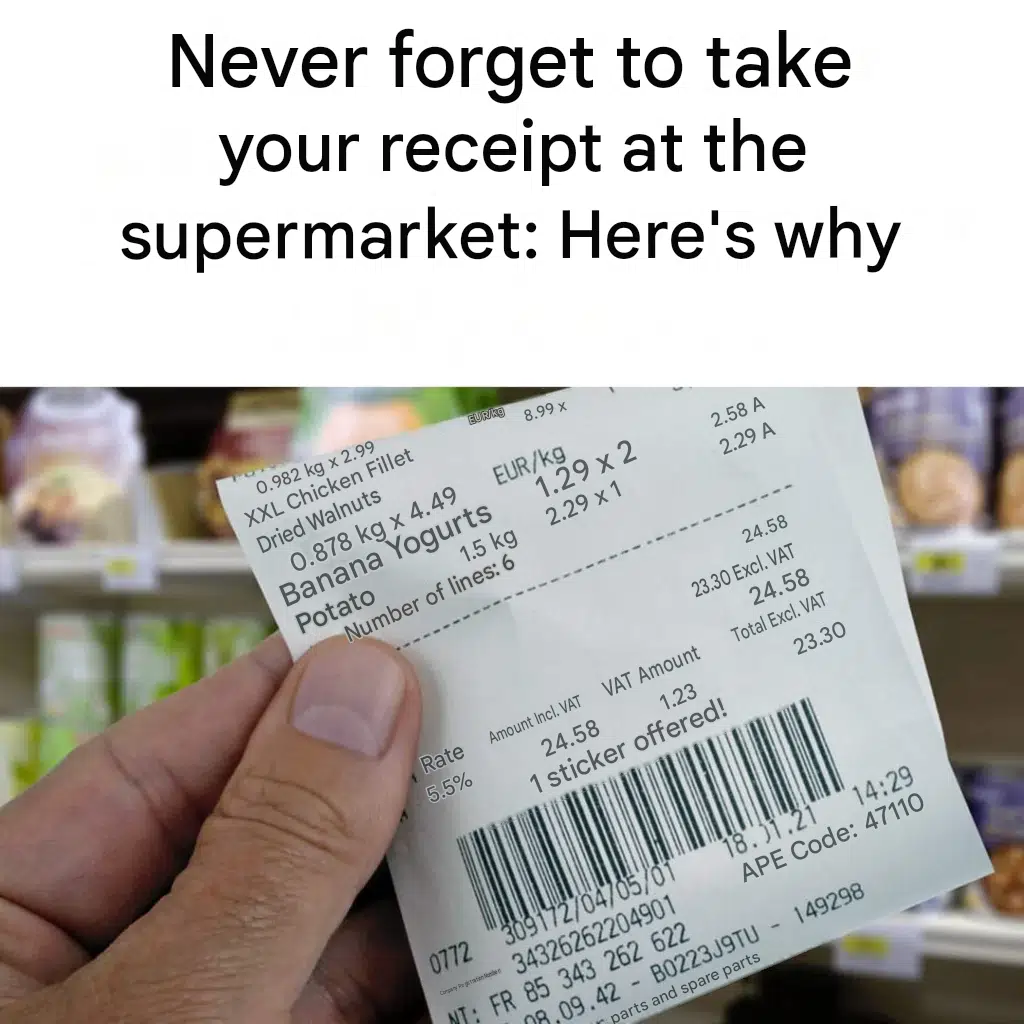
When shopping at a busy supermarket, checking out quickly, bagging your groceries, and rushing out the door is a routine ritual for millions of people. In the rush to head home, many shoppers automatically leave their cash register receipts behind on the counter or toss them directly into the nearest recycling bin. With digital receipts becoming more common, holding onto physical paper slips feels unnecessary to many consumers.
However, leaving your grocery receipt behind can be a costly mistake. From catching accidental overcharges and managing household budgets to handling product returns and securing tax deductions, keeping your receipt serves several vital practical functions. Examining the top reasons to always grab your register receipt highlights why this simple piece of paper remains an essential tool for smart shopping.
The 6 Essential Reasons to Always Keep Your Supermarket Receipt
Retaining your shopping receipt provides immediate protection against errors and offers long-term financial benefits.
1. Verifying Pricing and Catching Scanning Errors
- Price Discrepancies: Supermarket scanners and digital shelf tags occasionally feature outdated prices or fail to register promotional sales discounts.
- Immediate Checking: Reviewing your receipt before leaving the store allows you to spot double-scanned items or incorrect prices instantly, ensuring you get your money back on the spot.
2. Processing Returns, Exchanges, and Refunds
- Store Policies: Most grocery stores and supermarkets require a valid physical or digital receipt to process returns for damaged goods, expired products, or items you wish to exchange.
- Guaranteeing Consumer Rights: Without proof of purchase, stores may refuse refunds entirely or offer only store credit at the lowest historical clearance price.
3. Managing Household Budgets and Expense Tracking
- Detailed Spending Records: Keeping tabs on grocery expenditures is a cornerstone of effective household budgeting and personal finance management.
- Identifying Cost Trends: Reviewing itemized receipts helps families monitor rising food costs, track weekly consumption habits, and identify areas where they can cut unnecessary spending.
4. Claiming Warranties and Product Guarantees
- Appliance and Household Goods: Supermarkets often sell small electronics, kitchen appliances, and home goods that come with manufacturer warranties.
- Proof of Purchase Date: The receipt serves as legal proof of the exact purchase date, which is mandatory when filing warranty claims or seeking repairs for defective items.
5. Resolving Food Safety and Quality Concerns
- Product Recalls: If a food item you purchased is recalled due to contamination or safety issues, having the receipt helps verify purchase details and simplifies obtaining a refund.
- Quality Complaints: Returning a spoiled or defective food item with its original receipt ensures the store can trace batch numbers and compensate you properly.
6. Tax Deductions and Business Accounting
- Business Expenses: If you purchase supplies for a business, charitable event, or professional project at a supermarket, itemized receipts are required for tax documentation and expense reporting.
- Audit Protection: Maintaining organized purchase records ensures full compliance with tax regulations and accounting standards.
Financial, Legal, and Consumer Protection Considerations
Managing retail transactions carefully intersects with broader legal rights and financial security.
Protecting Your Consumer Rights
- Consumer Protection Laws: Retail regulations in many regions protect buyers against deceptive pricing, granting consumers the right to demand the lowest advertised price if a scanner error occurs.
- Fraud Prevention: Checking your receipts helps detect unauthorized credit card charges or double-billing errors made during high-volume checkout hours.
Practical Tips for Organizing and Storing Receipts
Managing paper clutter while ensuring you retain important documentation is easy with a few simple habits:
- Adopt a Digital Alternative: If the store offers e-receipts sent via email or loyalty apps, opt for digital copies to keep an organized, searchable archive on your phone.
- Designate a Home Receipt Folder: Keep a small accordion folder or dedicated envelope at home to sort weekly grocery and utility receipts by category.
- Scan Important Slips: For high-value purchases or items with long warranties, use a mobile scanning app to save digital backup copies before thermal paper fades.
- Inspect Before Leaving: Take ten seconds at the store exit or bagging station to glance over your itemized total.
Fascinating Insights Into Retail and Receipt History
- The Evolution of Thermal Paper: Modern supermarket receipts are printed on thermal paper coated with heat-sensitive chemicals, eliminating the need for traditional ink ribbons.
- The Invention of the Cash Register: The mechanical cash register was invented in 1879 by James Ritty to stop dishonest employees from stealing store revenue, eventually incorporating paper receipt rolls to provide customers with transaction proof.
- Environmental Shifts: In recent years, several countries have introduced legislation banning automatic printed receipts to reduce paper waste, pushing retailers toward digital ticketing systems.
Smart Shopping Habits for Better Financial Control
Taking your supermarket receipt is a minor habit that yields major practical benefits. Whether you are verifying weekly grocery totals, managing household budgets, or securing your consumer rights for product returns, holding onto your proof of purchase ensures you remain in complete control of your finances.
Frequently Asked Questions (FAQ)
Why do supermarket receipts fade over time?
Supermarket receipts are printed on thermal paper that reacts to heat rather than ink. Over time, exposure to sunlight, heat, and plasticizers causes the printed text to fade completely.
Can I return groceries without a receipt?
Some stores may permit exchanges or store credit for non-perishable items without a receipt, but policies vary strictly, and most require valid identification or proof of purchase.
Are digital receipts legally valid for returns and taxes?
Yes. Digital receipts sent via email or stored in official store apps carry the exact same legal validity for returns, warranties, and tax accounting as physical paper slips.
How long should I keep grocery receipts?
For standard grocery items, you can discard receipts after checking your monthly budget. For appliances, electronics, or business expenses, retain the receipts for the duration of the warranty or tax year.
