
Introduction
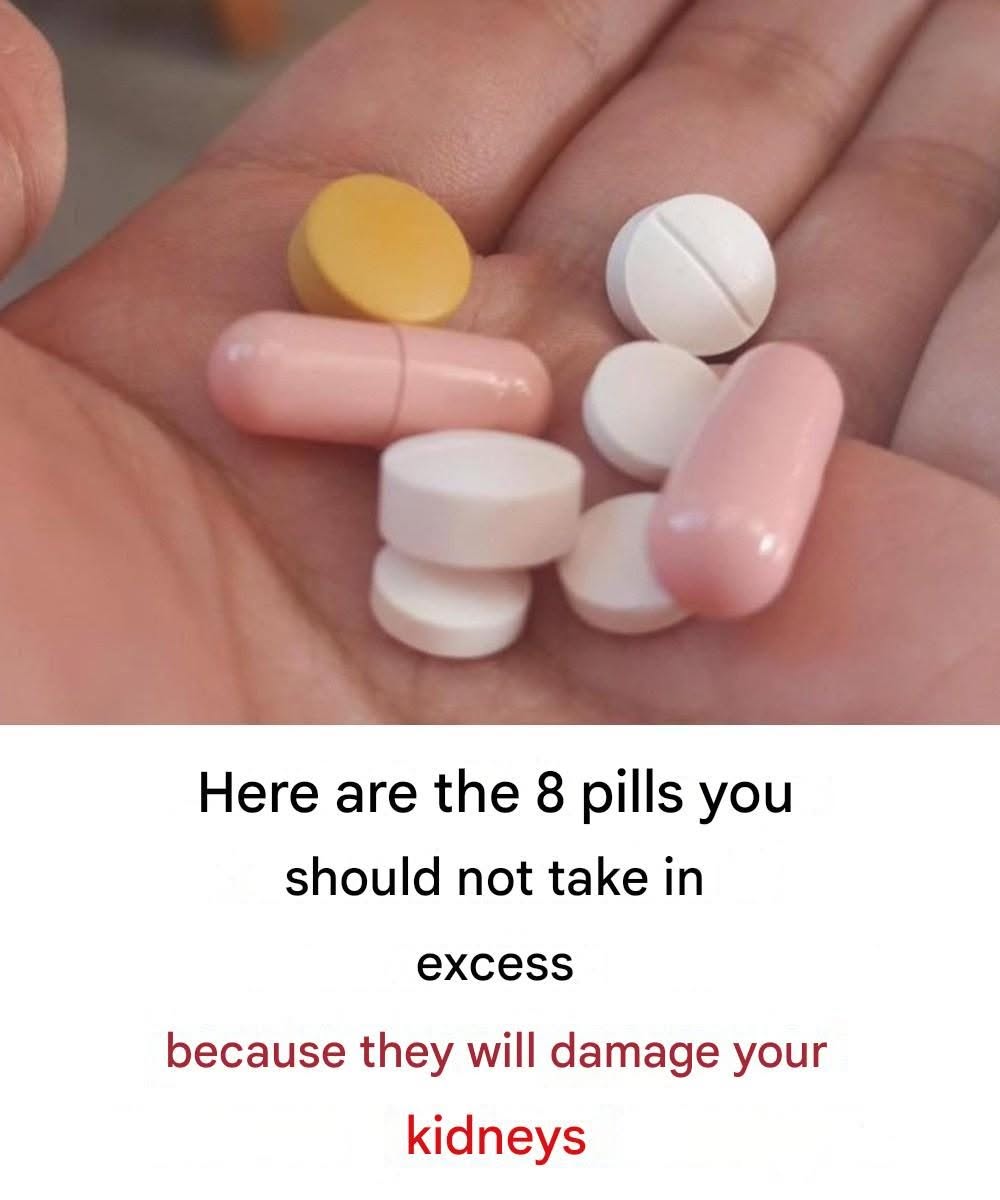
The human body relies on a delicate, highly complex internal filtration network to maintain overall health and vitality. Among the most vital organs in this system are the kidneys, two bean-shaped powerhouses responsible for filtering waste products, balancing electrolyte levels, and regulating blood pressure daily. However, modern lifestyles often involve the regular consumption of over-the-counter medications and prescription drugs to manage everyday aches, pains, and chronic conditions. While these therapeutic agents provide necessary relief, taking certain pills in excess can place an extraordinary burden on renal tissues, potentially leading to long-term damage or diminished organ function.
Navigating the intricacies of personal wellness, health, and medical safety requires the same level of rigorous attention and professional oversight that you would apply when consulting a qualified attorney for legal matters or reviewing a financial portfolio with an investment expert. Just as proper planning safeguards your long-term security, understanding how pharmaceuticals interact with your internal organs ensures safe, sustainable health outcomes. In this comprehensive guide, we will explore the mechanisms of renal filtration, examine common medications that require careful dosage management, review nutritional support for kidney health, and provide actionable tips to protect your well-being.
The Vital Role of Kidneys in Human Physiology
To appreciate why medication management is so critical, it helps to understand what the kidneys do on a continuous basis. Every single day, your kidneys filter roughly 120 to 150 quarts of blood to sift out about 1 to 2 quarts of waste products and extra fluid, which are then eliminated from the body as urine. Beyond waste removal, these organs secrete hormones that regulate red blood cell production, promote bone health, and help control systemic blood pressure.
Because every drop of blood circulating through your body passes through the renal blood vessels, the kidneys are uniquely exposed to any substances ingested—including therapeutic drugs, herbal supplements, and environmental toxins. When medications are taken excessively, or when cumulative use overloads the filtration units (nephrons), the internal structures can become inflamed, restricted, or scarred. This underscores why adhering strictly to recommended dosages and consulting healthcare professionals before starting new regimens is paramount.
Common Medications and Renal Impact
Certain classes of medications require heightened caution due to how they are metabolized and excreted by the body. Being aware of these substances allows patients to have more informed discussions with their medical providers:
- Nonsteroidal Anti-inflammatory Drugs (NSAIDs): Widely used for pain and fever relief, regular or excessive intake of NSAIDs can reduce blood flow to the kidneys, affecting their baseline filtering efficiency.
- Analgesic Combinations: Combining multiple pain relievers over extended periods increases the risk of chronic kidney injury.
- Certain Antibiotics: Specific types of antimicrobial treatments require precise weight-based or lab-monitored dosing to prevent renal strain.
- Over-the-Counter Supplements: Even natural or herbal remedies can interact unpredictably with kidney function if taken without professional guidance.
Step-by-Step Guide to Medication Safety
Establishing disciplined habits regarding how you store, track, and consume medications protects your physical health over the long term. Follow this structured approach to ensure optimal safety:
- Read Product Labels Carefully: Always review recommended dosage instructions, maximum daily limits, and warning labels on every prescription and over-the-counter package.
- Consult Healthcare Professionals: Speak with your doctor, pharmacist, or a specialized medical practitioner before combining multiple medications or taking any drug long-term.
- Keep an Updated Medication Log: Maintain a written or digital list of all pills, vitamins, and supplements you consume daily to share during medical appointments.
- Stay Adequately Hydrated: Drinking enough water helps your kidneys easily flush out metabolic waste products and process filtered substances efficiently.
- Avoid Self-Medicating: Resist the urge to exceed standard dosages for minor aches or pains without professional medical approval.
- Schedule Regular Checkups: Routine blood and urine tests ordered by your physician can monitor your kidney function markers over time.
Nutritional Support and Wellness for Renal Health
Supporting your kidneys extends beyond managing pills; it involves maintaining a wholesome lifestyle and balanced diet. Proper nutrition reduces systemic inflammation and supports optimal metabolic performance.
+-----------------------------------+-----------------------+
| Dietary Focus                     | Primary Renal Benefit |
+-----------------------------------+-----------------------+
| Adequate Water Intake             | Flushes toxins safely |
| Plant-Rich Foods                  | Reduces oxidative stress|
| Controlled Sodium Management      | Supports blood pressure|
| Balanced Protein Sources          | Minimizes filtration load|
+-----------------------------------+-----------------------+
As detailed in the table above, maintaining balanced hydration and managing sodium intake are crucial steps. High sodium diets force the body to retain fluid and elevate blood pressure, which in turn places chronic stress on the delicate blood vessels inside the kidneys. Incorporating fresh fruits, vegetables, and lean proteins helps sustain overall physical vitality.
Practical Tips for Daily Health Management
Integrating small, mindful habits into your daily routine safeguards your internal organs without requiring drastic lifestyle overhauls:
- Monitor Your Blood Pressure: High blood pressure is a leading cause of kidney damage; check your readings regularly at home or during pharmacy visits.
- Limit Processed Foods: Highly processed items often contain hidden sodium and chemical additives that burden metabolic pathways.
- Listen to Your Body: Never ignore persistent fatigue, swelling in your extremities, or changes in urination patterns; consult a professional promptly.
- Review Prescriptions Annually: Periodically review all ongoing medications with your primary care provider to ensure every pill remains necessary.
Interesting Facts About Human Kidneys
The human renal system possesses remarkable engineering and physiological capabilities:
- Incredible Filtration: Your kidneys filter all the blood in your body roughly dozens of times every single day.
- Remarkable Reserve: A single healthy kidney can perform the work of two, which is why living organ donation is medically possible.
- Blood Flow Priority: Despite their relatively small size, the kidneys receive about 20 to 25 percent of the heart’s total cardiac output.
- Ancient Awareness: Ancient medical traditions recognized the vital importance of fluid balance and internal cleansing millennia before modern diagnostics.
Conclusion
Taking charge of your health means looking closely at how everyday choices—including the medications and pills you consume—affect your internal organs. By respecting dosage guidelines, staying properly hydrated, and seeking expert medical advice, you can protect your kidneys from unnecessary strain and maintain long-term vitality. Just as careful planning protects your financial investments and professional guidance ensures sound legal decisions, proactive healthcare management secures your most valuable asset: your well-being. Implement these safety practices today for a healthier tomorrow.
FAQ Section
Why can taking too many pills damage the kidneys?
Because the kidneys filter waste and chemicals from the bloodstream, processing excessive amounts of certain medications can overwhelm or inflame renal filtration units, reducing their efficiency over time.
What are common signs that kidneys are under stress?
Early stages of kidney strain often present no symptoms, which is why routine medical screenings are essential. Advanced signs can include fatigue, swelling in the legs or ankles, and changes in urination.
Are over-the-counter pain relievers safe for regular use?
While safe when used occasionally and as directed, frequent or excessive use of certain over-the-counter pain medications can negatively impact renal blood flow and tissue health.
How can I support my kidney health naturally?
You can support your kidneys by drinking adequate water, maintaining a balanced diet low in excess sodium, exercising regularly, and avoiding unprescribed medication overuse.
