
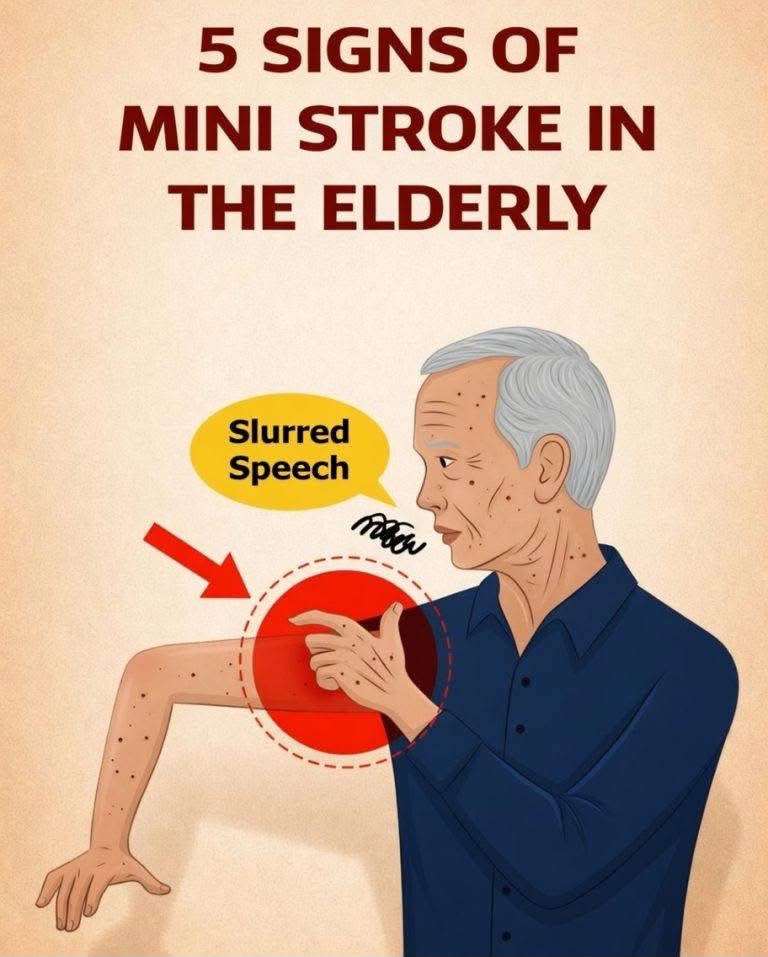
Health-related topics shared across social media often emphasize critical awareness, especially when addressing urgent conditions affecting older adults. When an illustrative graphic highlights the “5 signs of mini stroke in the elderly” alongside symptoms like slurred speech, it draws immediate attention to a serious medical emergency. A transient ischemic attack (TIA), commonly known as a mini-stroke, serves as a crucial warning sign for potential major strokes in the future. Understanding these symptoms, knowing how to respond, and prioritizing cardiovascular health can save lives. Let’s take an in-depth look at what mini-strokes are, the warning signs to watch for, and how to navigate health and medical emergencies safely.
What Is a Mini-Stroke (TIA)?
A transient ischemic attack occurs when blood flow to a part of the brain is briefly blocked. Unlike a major stroke, the blockage is temporary, and tissue damage is typically not permanent. However, a TIA should never be dismissed as minor or harmless.
- The Warning Signal: Medical professionals often refer to a TIA as a “warning stroke” because it frequently precedes a full-blown stroke.
- Temporary Symptoms: Symptoms usually appear suddenly, last for a short duration (often only a few minutes to an hour), and resolve completely without leaving permanent neurological deficits.
- Urgent Medical Evaluation: Experiencing a TIA requires immediate emergency medical attention to determine the underlying cause and implement preventive treatments.
The Key Warning Signs to Watch For
Recognizing the signs of a stroke or mini-stroke quickly can make all the difference. Healthcare providers often use the FAST acronym alongside specific observational signs:
- Face Drooping: One side of the face may droop or feel numb, resulting in an uneven smile.
- Arm Weakness: Sudden weakness, numbness, or inability to lift one arm is a common indicator.
- Slurred Speech: Difficulty speaking, garbled words, or an inability to articulate thoughts clearly.
- Sudden Confusion: Trouble understanding speech or sudden mental disorientation.
- Balance and Vision Changes: Sudden dizziness, loss of balance, or blurred vision in one or both eyes.
Health, Wellness, and Medical Management
Managing cardiovascular risk factors is essential for preventing mini-strokes and ensuring long-term senior health.
Risk Factors and Prevention
- Blood Pressure Regulation: High blood pressure is the leading cause of strokes. Regular monitoring and medical management are vital.
- Lifestyle Factors: Maintaining a balanced diet, staying physically active, quitting smoking, and managing cholesterol levels significantly lower cardiovascular risks.
- Consulting Healthcare Professionals: Regular check-ups with primary care physicians and cardiologists ensure that any emerging circulatory or neurological issues are caught early.
Legal and Financial Planning for Health Emergencies
As individuals age, preparing for unexpected medical emergencies involves more than just physical care. Establishing legal safeguards—such as healthcare proxies, living wills, and durable power of attorney—ensures that trusted family members can make critical medical decisions if an emergency occurs.
Conclusion: Staying Vigilant and Informed
While viral graphics serve as helpful reminders to stay educated on senior health, recognizing actual medical symptoms requires clinical expertise and immediate action. Never ignore signs like slurred speech or sudden weakness. Stay informed, prioritize proactive health management, and always seek immediate professional medical care if you suspect someone is experiencing a stroke or mini-stroke.
FAQ Section
Q: What is the difference between a mini-stroke and a major stroke?
A: A mini-stroke (TIA) involves a temporary blockage of blood flow to the brain where symptoms resolve quickly without permanent tissue damage, whereas a major stroke causes lasting neurological injury.
Q: Why is a mini-stroke considered a warning sign?
A: A TIA indicates an underlying vascular problem that significantly increases the risk of suffering a major, potentially disabling stroke in the near future if preventive measures are not taken.
Q: What should I do if someone exhibits signs of a mini-stroke?
A: Call emergency services immediately. Even if symptoms disappear quickly, a professional medical evaluation in a hospital setting is mandatory.
Q: Are mini-strokes common in older adults? A: Yes, the risk of experiencing a stroke or TIA increases with age, making awareness of symptoms in seniors especially critical.
Q: How can I help prevent strokes through lifestyle choices?
A: Maintaining a healthy blood pressure, eating a balanced diet, exercising regularly, avoiding tobacco products, and managing underlying conditions like diabetes greatly reduce stroke risk.
