
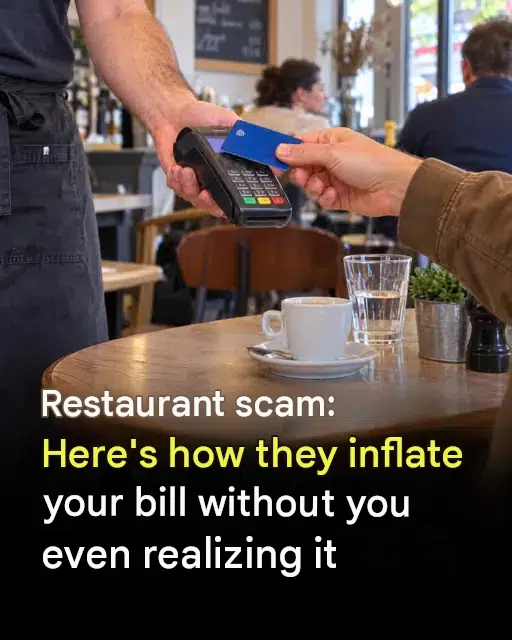
Dining out at restaurants, cafes, and bistros is one of life’s great pleasures. Whether you are enjoying a casual weekend brunch, a quick cup of coffee, or a celebratory multi-course dinner with friends, experiencing good food and hospitality is a wonderful way to unwind. However, when the end of the meal arrives and the check is brought to the table, unsuspecting customers occasionally fall victim to subtle, dishonest practices designed to inflate the final bill.
While the vast majority of hospitality establishments operate with absolute integrity, hidden surcharges, accidental double charges, unauthorized tip additions, and confusing itemization can quietly drain your wallet. Knowing what to look out for helps protect your finances and ensures your dining experience remains enjoyable and fair.
In this comprehensive guide, we will explore the most common ways restaurant bills get inflated without customer awareness, examine the financial safeguards you can implement, and provide practical tips for checking your checks before paying.
Common Ways Restaurant Bills Get Inflated
Dishonest billing practices or careless accounting errors can creep onto your bill in several subtle ways. Here are the primary tactics and mistakes to watch out for:
1. Itemized Errors and Phantom Menu Items
The most frequent accidental or intentional discrepancy on a restaurant bill is the addition of items you never ordered.
- Accidental Keying Errors: A busy server might accidentally tap an extra side dish, premium beverage, or duplicate entrée into the point-of-sale (POS) terminal.
- Table Mix-Ups: In busy environments, items from a neighboring table can occasionally be added to your check. If you do not review the itemized breakdown line by line, these phantom charges go completely unnoticed.
2. Automatic Gratuity and Double Tipping
Many restaurants automatically add a service charge or gratuity (often 15% to 20%) for large parties, holiday seating, or specific tourist zones.
- The Double Tip Trap: If the service charge is already printed and included in the final total, customers who do not read the fine print often add an additional tip on the credit card keypad, inadvertently tipping twice for the same service.
3. Inflated Dynamic Pricing and Unlisted Specials
When ordering daily specials or off-menu items recommended by a server, customers frequently make the mistake of assuming the price matches standard menu entries. Unscrupulous venues may charge premium, inflated prices for unlisted specials, leading to a shocking total at checkout.
4. Currency Conversion and DCC (Dynamic Currency Conversion) Scams
When traveling abroad, paying by card at restaurants often prompts the card machine to ask whether you want to be billed in your home currency or local currency. Opting for your home currency triggers Dynamic Currency Conversion (DCC), which applies terrible exchange rates and hidden markups that inflate the bill significantly.
+------------------------------------+---------------------------------------+
| Restaurant Billing Issue           | How to Catch or Prevent It            |
+------------------------------------+---------------------------------------+
| Phantom / Duplicate Items          | Review itemized check line by line    |
| Automatic Gratuity / Service Charge| Check subtotals before adding extra tip|
| Unlisted Daily Specials            | Always ask for the exact price upfront|
| Dynamic Currency Conversion (DCC)  | Choose to pay in local currency abroad|
+------------------------------------+---------------------------------------+
Consumer Protection, Finance, and Legal Safeguards
Protecting your personal finances while dining out connects directly to broader financial literacy, consumer rights, and banking security.
1. Monitoring Bank and Card Statements
Regularly reviewing your credit card and bank statements helps catch unauthorized charges or incorrect tip amounts long after you have left the restaurant. Many banking apps provide instant push notifications for every transaction, allowing you to spot errors immediately.
2. Credit Card Fraud Protection and Dispute Rights
Using a credit card rather than a debit card for dining provides superior consumer protection. If a restaurant overcharges your account or refuses to correct a billing error, you can dispute the charge easily through your credit card issuer under the Fair Credit Billing Act.
Practical Tips to Protect Your Wallet When Dining Out
You can easily avoid inflated bills and billing errors by adopting a few simple habits every time you dine out:
Always Request an Itemized Receipt
Never pay based solely on a total handwritten on a slip of paper or a verbal amount. Always request a fully itemized receipt showing every single dish, drink, tax, and service fee applied.
Check the Math Before Tipping
Take 30 seconds to review the subtotal, tax, and any pre-calculated gratuity lines. Calculate your tip based on the pre-tax subtotal to ensure accuracy.
Inquire About Prices for Specials
Whenever a server enthusiastically recommends off-menu specials or seasonal dishes, politely ask: “What is the exact price for that special?” Transparency prevents unpleasant billing surprises.
Fascinating Facts About Hospitality and Consumer Spending
- The Psychology of Menu Design: Restaurants use sophisticated psychological pricing tricks—such as omitting dollar signs and placing high-margin items in the upper-right corner—to subtly encourage higher spending.
- The Rise of Digital POS Terminals: Handheld payment terminals brought directly to the table have streamlined dining, but they also require customers to pay closer attention to preset tipping percentages displayed on digital screens.
- Global Tipping Customs: Tipping cultures vary wildly across the globe; while expected in North America, tipping can be considered rude or unnecessary in parts of Asia and Europe.
Frequently Asked Questions (FAQ)
What should I do if I notice an error on my restaurant bill?
Calmly point out the discrepancy to your server or the manager. In most cases, it is a simple accounting or keying mistake, and the establishment will promptly correct the bill and issue a corrected receipt.
Is it legal for restaurants to add an automatic service charge?
Yes, as long as the restaurant clearly discloses automatic gratuity policies on the menu or states them clearly before you order, it is legal. However, they must make it transparent to customers.
Why should I choose local currency when paying abroad?
Choosing local currency avoids Dynamic Currency Conversion (DCC) markups imposed by foreign processors, allowing your own bank to apply a much fairer, standard exchange rate.
Are credit cards safer than debit cards at restaurants?
Yes, credit cards offer robust fraud protection and allow you to dispute unauthorized charges or billing errors without risking direct access to the funds in your primary checking account.
How can I avoid accidentally double-tipping?
Always check the itemized receipt to see if a “service charge,” “tip,” or “gratuity” has already been added to the total before entering an additional tip amount on the payment terminal.
Conclusion
Dining out should be a relaxing and enjoyable experience, but staying vigilant about your bill is a smart part of personal financial management. By reviewing itemized checks line by line, watching out for automatic service charges, asking for prices on specials, and using secure credit cards, you can protect yourself from inflated charges and unexpected costs.
Combine smart dining habits with routine banking oversight to ensure your hard-earned money stays safely where it belongs!
