
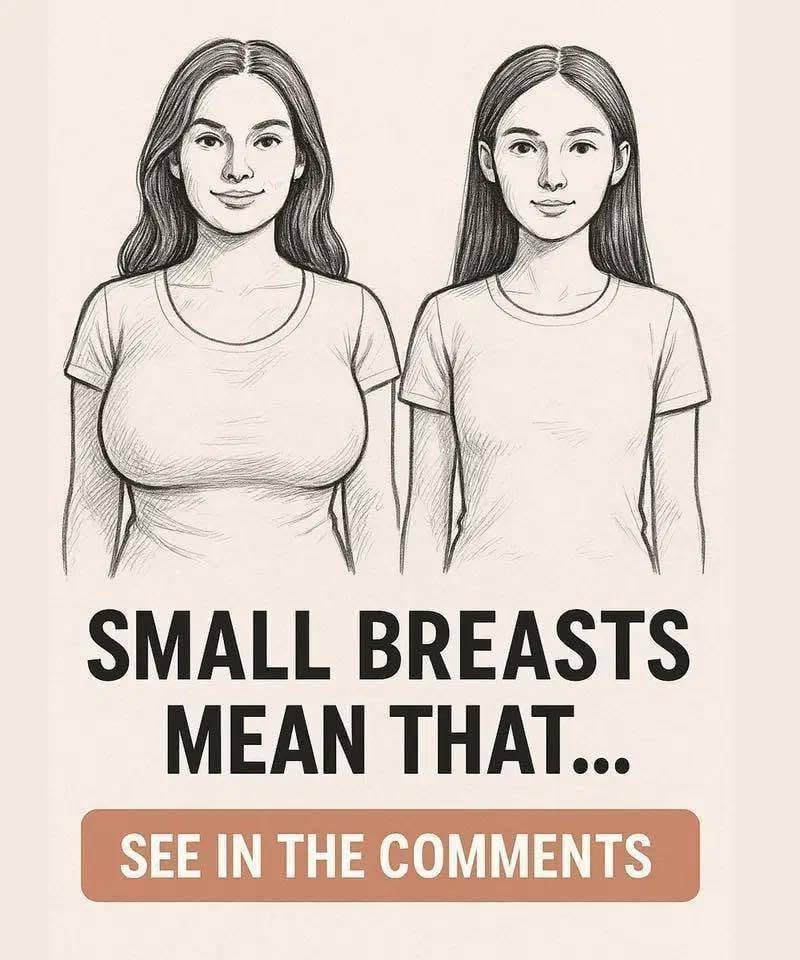
Social media feeds are frequently filled with illustrations and incomplete headlines designed to spark curiosity, such as posts showing sketch drawings of women alongside text reading: “SMALL BREASTS MEAN THAT… SEE IN THE COMMENTS.”
This clickbait headline structure leverages suspense to drive users to click links or read comments. However, from a medical standpoint, breast size is primarily determined by genetics, overall body composition, and hormones—and it carries very few inherent health limitations. In this comprehensive guide, we explore the medical truth about breast size, bust anatomy, breast cancer screening protocols, and health insurance considerations.
1. What Breast Size Actually Means: Genetics and Anatomy
Breast tissue is composed of glandular tissue (which produces milk) and adipose (fatty) tissue:
- Composition vs. Size: The physical size of a woman’s breasts is mostly determined by the amount of fatty tissue present, not the amount of milk-producing glandular tissue. Women with smaller breasts have the exact same functional glandular capacity for lactation as women with larger breasts.
- Hormonal Influences: Fluctuations in estrogen and progesterone throughout menstrual cycles, pregnancy, and menopause naturally alter tissue density and volume regardless of baseline size.
- Physical Advantages: Women with smaller breasts are significantly less likely to experience chronic upper back pain, shoulder indentations from bra straps, or neck strain often associated with hyper-macromastia (very large breasts).
2. Common Myths About Breast Size Debunked
- Myth: Breast Size Determines Breast Cancer Risk.
- Medical Fact: Overall breast size does not increase or decrease cancer risk. Risk is influenced by age, genetic factors (such as BRCA gene mutations), family history, and breast density (the ratio of glandular tissue to fat), which is independent of overall breast volume.
- Myth: Breast Size Affects Breastfeeding Ability.
- Medical Fact: Milk production is driven by hormonal signals and glandular tissue response, not total fat volume. Small-breasted women typically produce full milk supplies for infants without difficulty.
- Myth: Smaller Breasts Mean Lower Sensitivity.
- Medical Fact: Neurological sensitivity in breast tissue is often higher in smaller breasts because nerve endings are located closer together without being spread over larger fat deposits.
3. Mammograms, Breast Density, and Preventive Health Screenings
Regardless of bust size, routine breast health screenings are a vital part of preventative healthcare:
- Mammogram Accuracy: Mammography is effective for women of all sizes. What affects imaging clarity is breast density—having higher proportions of fibrous/glandular tissue compared to fat—rather than physical cup size.
- Supplemental Screenings: For women with dense breasts (regardless of cup size), doctors may recommend supplemental 3D mammograms (tomosynthesis) or ultrasound imaging to ensure clear evaluation.
- Self-Awareness Habits: Clinical guidelines encourage women of all body types to practice regular breast self-awareness, noting any changes in tissue texture, skin changes, or lumps.
4. Health Insurance and Preventive Care Coverage
Navigating routine healthcare involves utilizing health coverage for preventive services:
- Preventive Screening Coverage: Under the Affordable Care Act and major health insurance policies, annual screening mammograms for women starting at age 40 are covered as preventive care without out-of-pocket copays.
- Diagnostic Imaging Coverage: If a screening mammogram detects dense tissue or an abnormality, insurance plans cover diagnostic ultrasounds or MRIs following physician referrals.
- Consultation and Specialist Care: Routine annual gynecology visits and clinical breast exams are standard covered benefits across commercial and public health plans.
Fascinating Facts About Breast Health and Biology
- Natural Asymmetry: Over 50% of women have noticeable asymmetry between their left and right breasts, which is a completely normal physiological variation.
- Tissue Adaptability: Breast volume naturally changes throughout life in response to weight fluctuations, fitness levels, pregnancy, and hormonal shifts.
- Breast Density Inheritance: Dense breast tissue is largely an inherited genetic trait and cannot be determined simply by looking at external size.
Frequently Asked Questions (FAQ)
Do small breasts mean lower risk of breast cancer?
No. Cancer risk is associated with age, genetics, family history, and tissue density, not total external breast volume.
Does breast size affect mammogram effectiveness?
Mammograms are designed to image breast tissue of all sizes. Standard compression paddles adjust to accommodate all body types safely and accurately.
Why do social media posts use incomplete headlines about body size?
Truncating headlines forces viewers to engage with the post by opening comment sections or clicking external links, which boosts post reach on social media platforms.
Conclusion
Sensational social media headlines claiming that small breasts have mysterious hidden implications are simply clickbait engagement tactics. From a medical perspective, breast size reflects normal variations in genetics and body composition. Practicing routine health checkups, utilizing preventive insurance coverage, and staying informed empowers women to navigate body wellness with confidence.
