
Introduction
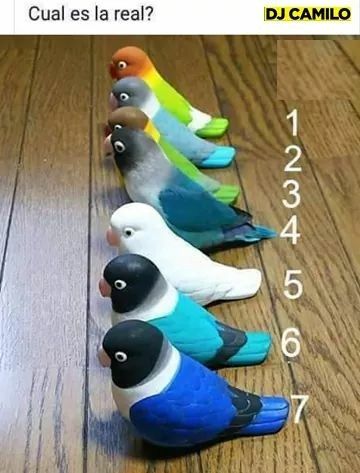
In the age of digital media, our eyes are constantly tricked by clever photography, hyper-realistic art, and optical illusions. A viral image featuring a line of colorful toy or ceramic birds numbered 1 through 7 with the caption “Cual es la real?” challenges viewers to distinguish between artificial sculptures and reality. This playful visual puzzle highlights our natural fascination with lifelike art and the cognitive mechanisms behind visual perception.
This article explores the science of visual realism, the craftsmanship of hyper-realistic miniatures, and why interactive guessing games spread rapidly across social media platforms. Furthermore, we will examine how engaging with online content intersects with practical lifestyle topics, including budgeting for hobbies, reviewing home insurance policies, consulting with an attorney or legal services provider regarding intellectual property, and safeguarding your long-term finance, investment, and retirement portfolios.
Let’s dive into the fascinating world of hyper-realistic art and visual deception.
The Psychology of Visual Deception and Realism
Human perception relies on shortcuts. When we look at a photograph or an object, our brain evaluates color, texture, lighting, and shadow to determine its authenticity.
Artists specializing in hyper-realism leverage these exact cognitive pathways. By meticulously crafting textures, shadows, and natural postures—such as the subtle feather details and postures in the bird lineup—sculptors can blur the line between inanimate objects and living creatures. When presented with a row of similar items asking which one is real, the brain is forced to look closer, examining minute details like eye reflection and surface sheen.
The Popularity of Visual Puzzles on Social Media
Interactive posts that ask simple questions—such as spotting the real animal or item among replicas—are incredibly effective on social media platforms like Facebook. They drive high user engagement because they are accessible to everyone, prompt friendly debates in the comments, and satisfy our innate desire to solve a puzzle.
Financial and Legal Considerations for Creators
For artists, craftsmen, and digital creators sharing visual works online, understanding the business and legal landscape is essential:
- Intellectual Property Protection: Ensuring original sculptures or photographs are protected against unauthorized copying requires guidance from an attorney or professional legal services provider.
- Monetization and E-Commerce: Selling handcrafted art or running a digital content channel involves managing personal finance and business budgets effectively.
- Risk Management: Securing appropriate property or business insurance safeguards your studio and creative assets against unforeseen events.
- Long-Term Planning: Balancing creative passions with strategic financial investment and retirement planning ensures long-term economic security.
Conclusion
Hyper-realistic sculptures and visual puzzles remind us of the incredible talent of artists and the playful nature of human perception. Whether you can spot the real subject instantly or have to examine every detail closely, these optical challenges continue to spark curiosity worldwide.
For more lifestyle tips, artistic insights, and digital entertainment, explore our other articles covering home business strategies, real estate mortgage options, and personal finance management.
FAQ Section
Q1: What is hyper-realism in art?
A1: Hyper-realism is a genre of art where an artist studies a photograph or real-life subject and attempts to reproduce it in a painting, sculpture, or other medium with extreme photographic precision.
Q2: Why do visual guessing games go viral online?
A2: Visual guessing games encourage immediate participation, invite comments and debates among users, and provide quick, fun mental stimulation that algorithms reward with high visibility.
Q3: How do our brains distinguish between real and fake objects in images?
A3: The brain analyzes lighting, shadows, surface textures, reflections, and context clues. When artificial objects mimic these details perfectly, it creates momentary confusion.
Q4: Can sculptures look completely alive?
A4: Yes, master sculptors using advanced materials like polymer clay, resin, and silicone can achieve astonishing levels of realism, including realistic skin or feather textures and glass-like eyes.
Q5: Why is copyright important for physical artists?
A5: Copyright protection prevents others from copying, mass-producing, or profiting from an artist’s original handmade designs without permission or proper licensing.
Q6: How can creators protect their online artwork?
A6: Creators can use digital watermarks, register their copyrights legally, and work with intellectual property professionals to address unauthorized use.
Q7: How does social media engagement affect content creators?
A7: High engagement signals to platform algorithms that content is interesting, leading to wider distribution, larger follower growth, and better monetization opportunities.
Disclaimer: This article is for informational purposes only and does not constitute professional legal, financial, or artistic advice. Always consult with qualified professionals regarding business or legal decisions.
