
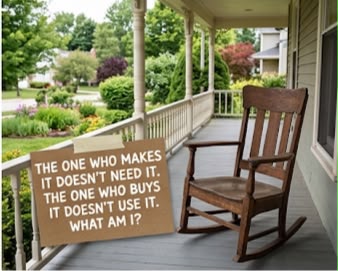
Brain teasers and riddles have been a popular form of entertainment and mental exercise across cultures for centuries. Among the most famous classic riddles is the classic puzzle: “The one who makes it doesn’t need it. The one who buys it doesn’t use it. What am I?”
While simple on the surface, this riddle plays on clever wordplay, human perception, and double meanings to challenge how we think about common objects.
In this breakdown, we will reveal the answer, explain the logic behind each line, explore similar popular riddles, and examine why solving riddles benefits brain health.
What Is the Answer to the Riddle?
The answer to this classic riddle is a coffin (or casket).
Decoding the Riddle Line by Line
- “The one who makes it doesn’t need it.”
- A carpenter, casket manufacturer, or craftsman builds a coffin as part of their profession or trade. They create it for someone else’s eventual use, not for themselves at the time of making it.
- “The one who buys it doesn’t use it.”
- Family members or loved ones purchase a coffin or casket to arrange burial services for someone who has passed away. The buyer is not the person resting inside it.
- “The one who uses it doesn’t know it.”
- (In expanded versions of the riddle) The person placed inside the coffin has passed on, meaning they are unaware that they are using it.
Why Brain Teasers and Riddles Are Popular
Word puzzles and traditional riddles remain widely shared across social media and digital forums for several reasons:
- Lateral Thinking Exercise: Riddles force the brain to think outside standard linear paths, challenging listeners to look beyond initial assumptions.
- Universal Appeal: Classic riddles transcend age groups, making them easy to share among family, friends, and online communities.
- Instant Engagement: Solvers enjoy the satisfaction of cracking a clever puzzle or debating tricky wording with others.
Conclusion
The classic coffin riddle endures because of its clever structure and surprising simplicity once revealed. Next time you encounter this classic brain teaser, you’ll know exactly how to break down the answer!
Frequently Asked Questions (FAQ)
What is the origin of the coffin riddle?
This puzzle is an ancient traditional folk riddle with origins dating back hundreds of years in European and American folklore, passed down through oral tradition and early riddle books.
What are alternative answers to this riddle?
While “coffin” or “casket” is the primary intended answer, some creative solvers suggest alternative answers like a tombstone or a grave vault.
Do riddles help improve cognitive skills?
Yes! Regularly solving riddles and brain teasers helps sharpen critical thinking, improves problem-solving abilities, and boosts memory retention.
