
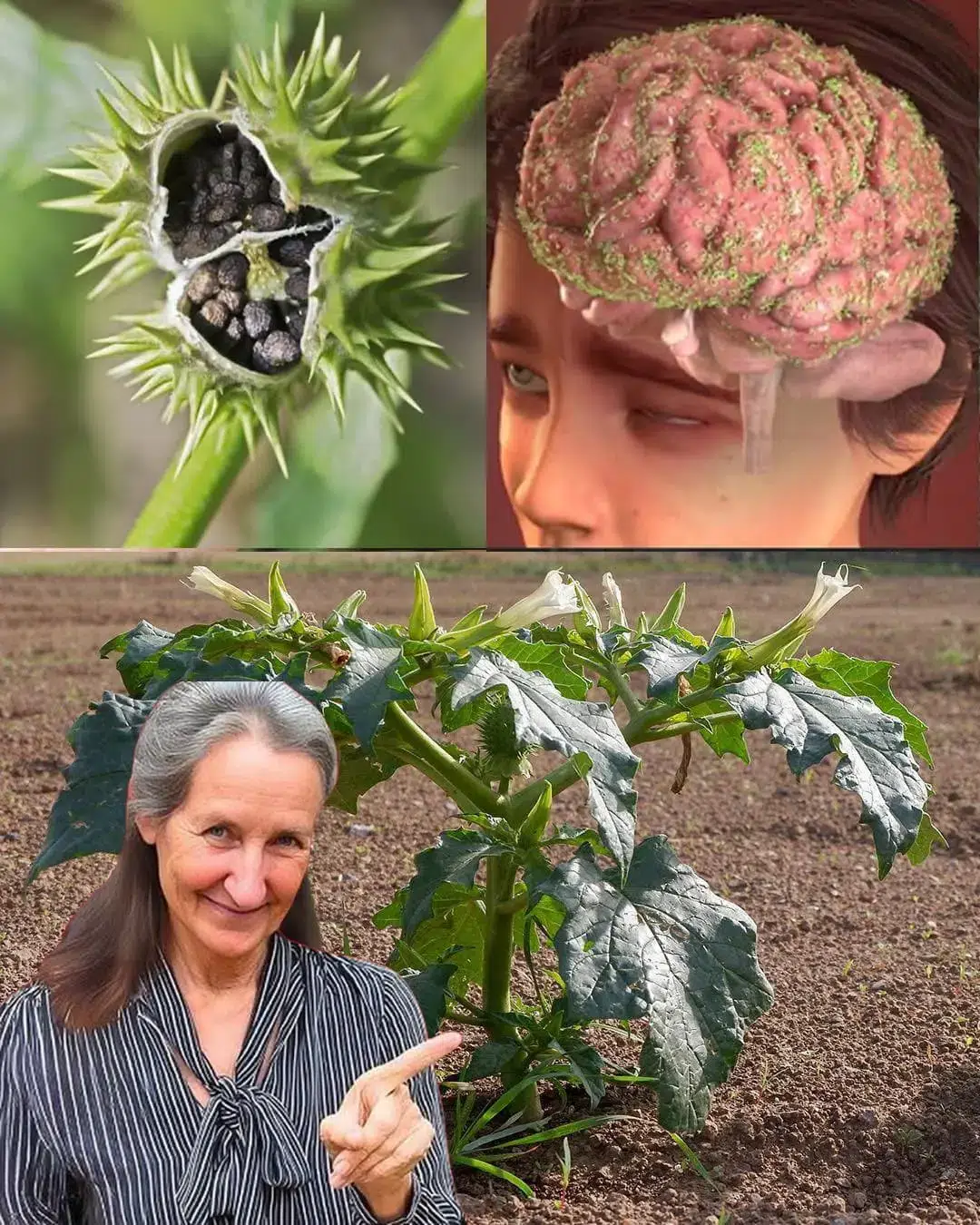
Throughout the natural world, plants have evolved diverse defense mechanisms to protect themselves from herbivores and environmental threats. While many botanical species offer beauty, nutritional value, or medicinal properties, others contain potent chemical compounds that pose severe health risks to humans and animals. One such plant that frequently captures attention for its striking appearance and extreme toxicity is the thorn apple (Datura), commonly known in French as the “pomme épineuse”.
Understanding the botanical characteristics, toxic chemical compounds, historical uses, and safety precautions associated with thorn apple is vital for gardeners, hikers, parents, and pet owners. This comprehensive guide explores the biology of toxic plants, the physiological effects of tropane alkaloids, emergency responses, and the financial and legal safeguards that support household safety.
The Botanical Profile and Characteristics of Thorn Apple
Thorn apple belongs to the Datura genus within the nightshade family (Solanaceae). It is characterized by distinct physical features:
- Striking Flowers: Trumpet-shaped white or purple flowers that bloom during warmer months.
- Spiky Fruit Capsules: Green, spiny seed pods that split open to reveal numerous dark seeds, earning the plant its descriptive common name.
- Broad Foliage: Toothed, dark green leaves with a distinct aroma when crushed.
Despite its rugged appearance and ornamental appeal in certain wild landscapes, every part of the plant—especially the seeds and leaves—contains dangerous concentrations of toxic alkaloids.
Toxic Compounds and Physiological Effects
The primary danger of thorn apple stems from its high concentration of potent tropane alkaloids, including scopolamine, hyoscyamine, and atropine.
Mechanism of Toxicity
These chemical compounds act as powerful anticholinergics, blocking acetylcholine receptors in the central and peripheral nervous systems. Ingestion or absorption of these toxins can lead to severe physiological disruptions:
                  [ Ingestion of Thorn Apple Parts ]
                                   │
                                   ▼
                   [ Anticholinergic Alkaloid Action ]
                                   │
  ┌────────────────────────────────┼────────────────────────────────┐
  ▼                                ▼                                ▼
[Neurological Confusion]   [Cardiovascular Strain]     [Gastrointestinal Distress]
  │                                   │                                   │
  └────────────────────────────────┼────────────────────────────────┘
                                   │
                                   ▼
               [ Acute Medical Emergency / Hospitalization ]
- Neurological Impairment: Causes extreme confusion, hallucinations, blurred vision, delirium, and loss of motor coordination.
- Cardiovascular Effects: Elevates heart rate, increases blood pressure, and can trigger dangerous cardiac arrhythmias.
- Anticholinergic Syndrome: Results in dry mouth, dilated pupils, high fever, and urinary retention.
Safety Guidelines and Prevention Strategies
Because thorn apple grows wild in many rural and disturbed environments, preventing accidental exposure is critical for household safety.
Essential Safety Practices
- Garden Inspection: Regularly inspect residential properties and yards for wild nightshade or thorn apple growth, especially if children or pets play outdoors.
- Proper Removal: Wear heavy-duty gloves and protective clothing when removing toxic plants to prevent skin absorption or accidental ingestion.
- Education and Awareness: Educate family members and children never to touch, taste, or ingest unknown wild plants, berries, or seed pods.
+-------------------------------------------------------------------+
|               Plant Safety and Poison Prevention Checklist        |
+-------------------------+-----------------------------------------+
| Safety Action           | Primary Benefit                         |
+-------------------------+-----------------------------------------+
| Inspect Yard Spaces     | Identifies wild toxic plants early      |
| Wear Protective Gloves  | Prevents skin irritation and absorption |
| Educate Family Members  | Stops accidental ingestion by children  |
| Secure Emergency Info   | Ensures rapid response during exposure  |
+-------------------------+-----------------------------------------+
Emergency Medical Response and Financial Protection
Accidental plant poisoning constitutes a serious medical emergency requiring immediate professional intervention.
Steps During a Poisoning Emergency
- Seek Immediate Medical Help: Call emergency services or a poison control center right away if plant ingestion is suspected.
- Provide Details: Inform medical professionals of the exact plant species involved, estimated quantity consumed, and time elapsed since ingestion.
- Avoid Home Remedies: Do not induce vomiting unless specifically instructed by a certified toxicologist or physician.
Insurance and Financial Planning
Treating severe plant toxicity often involves emergency room admission, diagnostic testing, and overnight hospital observation, leading to substantial medical bills. Maintaining comprehensive health insurance and emergency savings ensures that unexpected medical crises are managed without financial distress. Furthermore, home insurance policies and liability coverage can protect property owners if visitors suffer accidental injuries from hazardous plants on poorly maintained premises.
Fascinating Facts About Botanical Toxins
- Historical Use: Ancient civilizations utilized nightshade derivatives in various rituals, medicines, and poisons, recognizing their powerful impact on human physiology.
- Natural Defense: The spiny seed capsule of the thorn apple serves as an evolutionary deterrent to keep herbivores from eating the developing seeds.
- Family Resemblance: Thorn apple shares the Solanaceae family with everyday edible crops like tomatoes, potatoes, and eggplants, highlighting how closely related medicinal and toxic plants can be in nature.
Conclusion
Thorn apple (Datura) is a striking yet profoundly dangerous plant whose potent alkaloids pose severe risks to human and animal health. By understanding its botanical characteristics, recognizing the dangers of its toxic compounds, practicing rigorous garden safety, and maintaining robust health and insurance protections, individuals can ensure a safe and secure environment for their families.
Frequently Asked Questions (FAQ)
What makes thorn apple so dangerous to humans and animals?
Thorn apple contains powerful tropane alkaloids—including scopolamine, atropine, and hyoscyamine—which act as potent anticholinergics, disrupting neurological function, heart rate, and autonomic nervous system responses.
Which parts of the thorn apple plant are toxic?
Every part of the plant is toxic, but the seeds and leaves contain the highest concentrations of dangerous alkaloids, making ingestion or contact particularly hazardous.
What should I do if someone ingests parts of a thorn apple plant?
Call emergency services or a poison control center immediately. Do not attempt to induce vomiting unless explicitly directed by medical professionals, and provide details on the plant species and ingested amount.
How can I prevent thorn apple from growing in my yard?
Inspect your property regularly, especially in disturbed soil or garden edges. Wear protective gloves when pulling up wild weeds, and dispose of them securely where children and pets cannot reach them.
Does health insurance cover emergency treatment for accidental plant poisoning?
Comprehensive health insurance policies generally cover emergency room visits, diagnostic testing, and inpatient medical treatment required for acute poisoning incidents.
