
Introduction
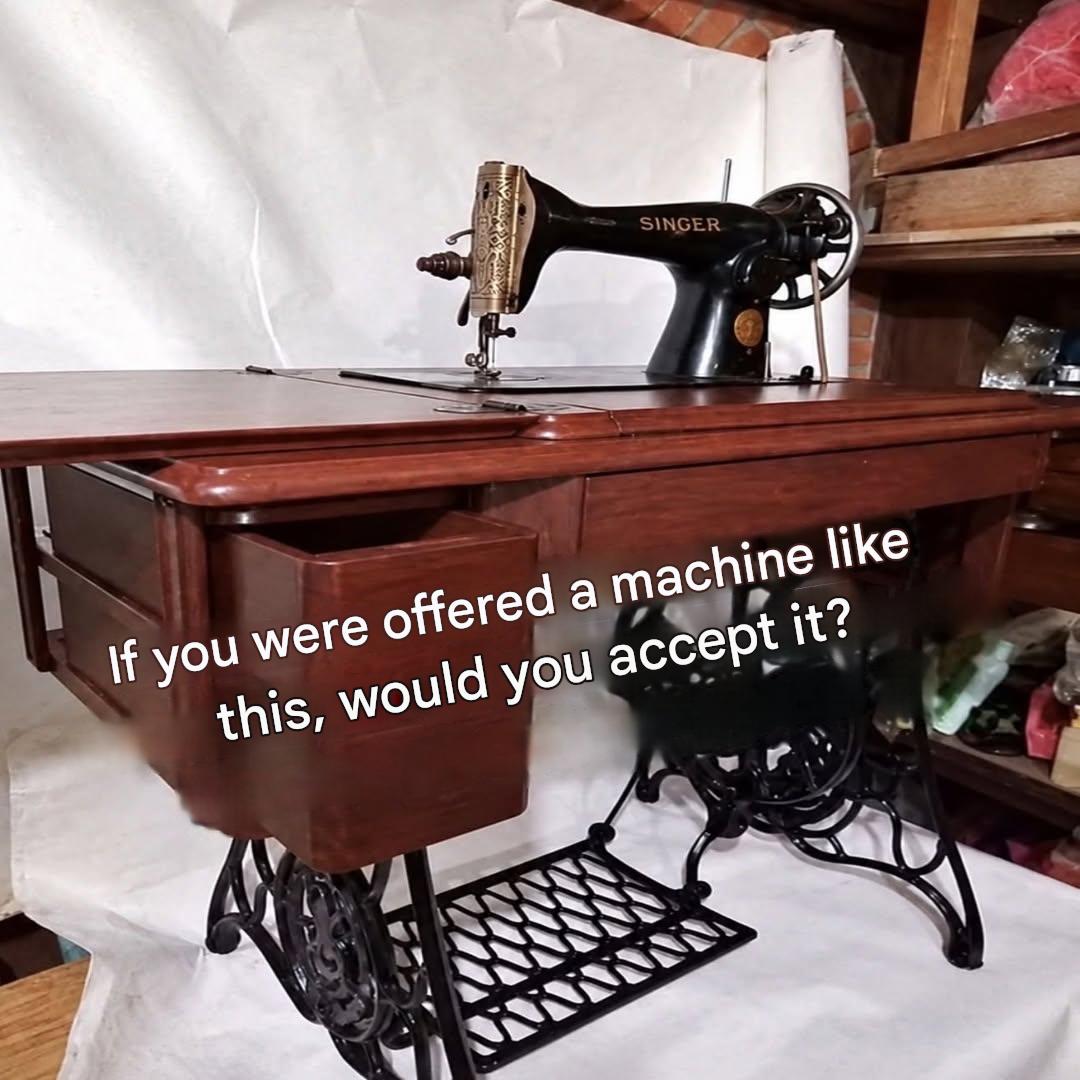
In an era dominated by high-speed digital automation, disposable goods, and mass-produced appliances, there is a profound resurgence of interest in vintage and antique machinery. Among the most cherished items discovered in attics, estate sales, and antique shops is the classic treadle sewing machine—most notably iconic models manufactured by the Singer Sewing Machine Company. These heavy-duty, cast-iron marvels represent a bygone era of industrial engineering where durability, mechanical precision, and aesthetic elegance were paramount.
Encountering a vintage sewing machine often sparks immediate curiosity and nostalgia. Beyond their charming exterior, these machines possess complex financial, historical, and practical dimensions. Whether you are an avid crafter, an antique collector, a home decor enthusiast, or someone interested in the economics of vintage asset valuation, understanding the multifaceted world of antique sewing machines provides valuable insights into how heritage items interact with modern living.
This comprehensive guide explores the history of vintage sewing machines, the mechanics of treadle operation, proper restoration and maintenance techniques, and the broader economic considerations surrounding antique investments, legal regulations, and home integration.
The Historical Evolution of the Sewing Machine
The invention of the mechanical sewing machine revolutionized the global textile industry and transformed domestic life during the 19th century. Prior to mass industrialization, garment creation and repair required painstaking hand-stitching, consuming countless hours of household labor.
The Rise of Industrial Manufacturing
Innovators like Elias Howe and Isaac Merritt Singer refined early sewing mechanisms, introducing interchangeable parts, foot treadles, and lockstitch capabilities. Isaac Singer’s business acumen and widespread marketing strategies made sewing machines some of the first complex household appliances to be mass-marketed globally.
- Decentralization of Labor: Sewing machines allowed households to produce and mend clothing efficiently, reducing reliance on commercial tailor shops.
- Global Distribution: Companies established massive distribution networks, bringing mechanized sewing into homes across North America, Europe, and beyond.
- Technological Milestones: The transition from hand-crank models to foot-powered treadles enabled operators to use both hands to guide fabric, drastically increasing precision and sewing speed.
Anatomy and Mechanics of Vintage Treadle Machines
Understanding why antique sewing machines remain fully functional after more than a century requires examining their robust mechanical design. Unlike modern plastic-heavy machines driven by computerized circuit boards, vintage treadle machines rely entirely on kinetic energy and mechanical linkage.
Core Mechanical Components
- The Cast-Iron Treadle Base: A heavy wrought-iron or cast-iron pedal mechanism where the user rocks their feet back and forth, turning a large flywheel via a connecting pitman rod.
- The Leather Drive Belt: A continuous leather cord that transmits rotational energy from the foot-powered flywheel up to the machine head’s handwheel.
- The Shuttle and Bobbin System: Early and mid-era machines utilized various bobbin configurations, from long shuttle bullets to round vibrating and rotary bobbins, designed to interlock upper and lower threads securely.
- Wooden Cabinetry: Housed within fine-grained hardwood cabinets featuring drop-leaf extensions, storage drawers, and specialized compartments for sewing notions.
Financial Valuation, Investment, and Economic Considerations
For collectors and estate liquidators, the monetary value of a vintage sewing machine can vary dramatically based on rarity, condition, year of manufacture, and historical provenance.
Assessing Antique Value
While millions of vintage Singer machines were produced, certain serial numbers, rare commemorative models, or units featuring intricate gold decals (such as the “Sphinx” or “Fiddlebed” designs) command significant prices in the antique market. Conversely, common mass-produced models from the early 20th century are often valued more for their decorative and practical utility than as high-yield financial investments.
- Appraisal and Documentation: Consulting antique specialists or reviewing verified serial number registries helps establish the exact age and manufacturing plant of a machine.
- Market Trends: Interest in antique furniture and vintage machinery fluctuates with interior design trends and consumer preferences for upcycled home decor.
- Legal and Estate Regulations: When inheriting, buying, or selling high-value antique collections across state or international borders, understanding local commerce regulations, estate tax laws, and shipping compliance is essential.
Practical Restoration and Maintenance Guidelines
Restoring a vintage sewing machine to operational status is a rewarding project that blends mechanical troubleshooting with woodworking care.
Step-by-Step Restoration Process
- Gentle Cleaning: Avoid harsh chemical solvents that can strip original decals and shellac finishes. Use sewing machine oil and soft cloths to dissolve old, gummed-up lubricant.
- Wood Care: Treat the wooden cabinet with high-quality natural furniture wax or restorative oils to nourish the grain and repair minor surface scratches without damaging the original patina.
- Replacing the Drive Belt: Over decades, leather drive belts dry out, stretch, or snap. Replacing the belt is a simple process that restores the connection between the foot treadle and the machine head.
- Lubrication: Apply fresh, high-grade sewing machine oil to all designated oil ports and moving metal joints to ensure smooth, silent operation.
Practical Tips for Integrating Vintage Machines into Modern Homes
- Repurposing as Furniture: Even if a machine is no longer used for sewing, the ornate cast-iron bases and hardwood cabinets make exceptional statement pieces, serving as hallway desks, vanity tables, or unique plant stands.
- Source Original Manuals: Many manufacturer manuals are available digitally, providing precise threading diagrams and maintenance instructions for specific vintage models.
- Safety Inspection: If utilizing the machine for actual sewing, inspect internal metal gears and tension assemblies to ensure safe, snag-free fabric feeding.
Interesting Facts About Vintage Sewing Machines
- Alternative Power Sources: Before electricity became standardized in homes, treadle machines allowed women to sew at high speeds without requiring electrical infrastructure, making them invaluable in rural and remote settlements.
- Wartime Adaptation: During major global conflicts, many sewing machine factories were temporarily repurposed to manufacture precision military equipment, munitions components, and optical instruments.
- Longevity Engineering: Built with hardened steel and cast iron, these machines were engineered to last multiple lifetimes, frequently passed down through generations as cherished family heirlooms.
Conclusion
The enduring fascination with vintage sewing machines highlights a collective appreciation for craftsmanship, history, and sustainability. Whether viewed as functional tools, intricate mechanical sculptures, or charming pieces of antique furniture, these machines bridge the gap between past and present. By understanding their history, maintaining their delicate mechanisms, and appreciating their economic and aesthetic value, modern collectors ensure that these remarkable engineering achievements continue to be celebrated for generations to come.
FAQ Section
1. Are vintage sewing machines still usable for modern sewing projects?
Yes. When properly cleaned, oiled, and fitted with a new drive belt, many vintage cast-iron machines are capable of stitching through heavy fabrics like denim, canvas, and leather with exceptional strength.
2. How can I determine the age of a vintage Singer sewing machine?
You can determine the exact manufacturing year by locating the machine’s unique serial number stamped on the metal body and cross-referencing it with online archives and manufacturer production registries.
3. What is the best way to clean and protect the wooden cabinet?
Clean the wood with a damp cloth and mild soap, then nourish the surface using natural beeswax or specialized furniture polish to preserve the finish without harming the antique wood.
4. Do antique sewing machines hold significant monetary value?
While rare, early-production, or highly ornate models can command high prices among collectors, most common mid-20th-century treadle machines are valued primarily for their decorative appeal and utility.
5. Why are vintage treadle machines considered durable?
They are constructed from solid cast iron, steel, and high-quality hardwoods with minimal plastic parts, relying on straightforward mechanical physics rather than complex electronics that can fail over time.
