
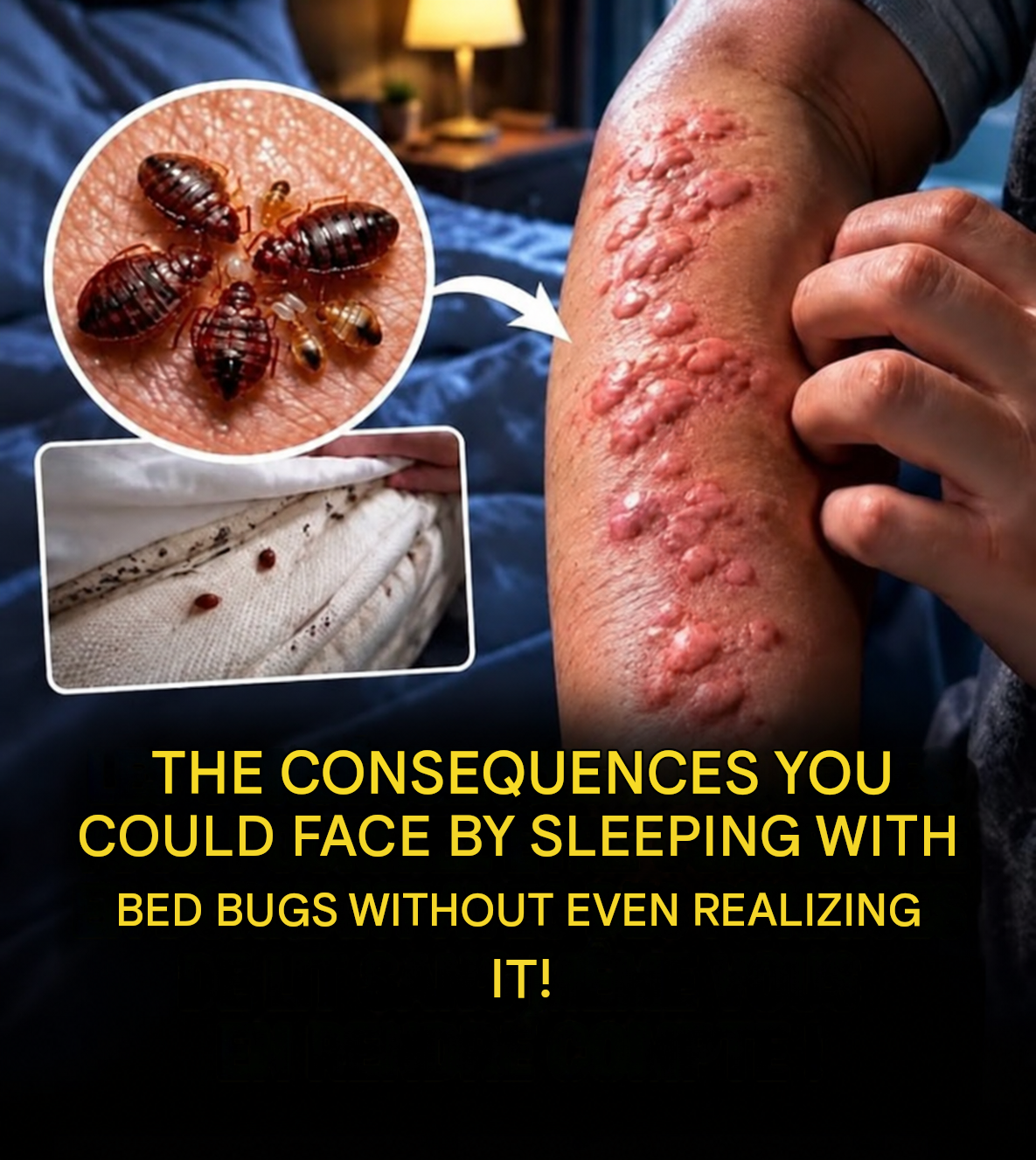
Transforming your bedroom into a cozy, relaxing sanctuary is essential for restful sleep and overall well-being. However, millions of households worldwide face an unwelcome and elusive nighttime intruder: the bed bug (Cimex lectularius). These tiny, reddish-brown parasitic insects feed exclusively on blood, typically operating under the cover of darkness while residents sleep soundly. Because they hide in microscopic mattress crevices, bed frames, and headboards, many people sleep with an active infestation for weeks or months without realizing it.
Discovering a bed bug problem only after severe physical symptoms appear can be distressing. Beyond itchy bites, unrecognized infestations can lead to secondary health complications, sleep anxiety, and costly household extermination expenses.
In this comprehensive guide, we will explore the hidden health consequences of bed bug exposure, examine how infestations develop, discuss financial and property considerations, and provide practical tips for safeguarding your sleeping environment.
Understanding Bed Bugs and How Infestations Begin
Bed bugs are resilient, adaptable pests that have coexisted with humans for centuries. Despite common misconceptions, bed bugs do not discriminate based on cleanliness; even luxury hotels and pristine homes can experience unexpected infestations.
Nocturnal Feeding Habits
Bed bugs are attracted by body warmth, exhaled carbon dioxide, and ambient chemical cues. During the night, they emerge from their hiding spots to pierce human skin with a specialized two-tube proboscis—injecting an anesthetic saliva that numbs the area so the host does not wake up while they feed.
4 Major Consequences of Unrecognized Bed Bug Infestations
Sleeping in an infested environment carries several physical and psychological risks that escalate over time.
                      +---------------------------------------+
                      |       CONSEQUENCES OF BED BUGS        |
                      +---------------------------------------+
                                          |
         +--------------------------------+--------------------------------+
         |                                |                                |
         v                                v                                v
   [ DERMATOLOGICAL ]             [ SLEEP & MENTAL ]             [ SECONDARY RISKS ]
+---------------------+        +---------------------+        +---------------------+
| • Allergic welts    |        | • Chronic insomnia  |        | • Bacterial infection|
| • Intense itching   |        | • Anxiety & stress  |        | • Property damage   |
| • Skin irritation   |        | • Nighttime dread   |        | • Costly treatment  |
+---------------------+        +---------------------+        +---------------------+
1. Severe Skin Reactions and Allergic Welts
While some individuals experience minimal reaction to bed bug saliva, others develop severe allergic sensitivities. Repeated bites can trigger intense itching, large red welts, fluid-filled blisters, and localized inflammation that requires medical treatment.
2. Secondary Bacterial Infections from Scratching
The intense nocturnal itching caused by bed bug bites often leads to vigorous scratching during sleep. This breaks the skin barrier, creating open wounds that invite secondary bacterial infections like impetigo or cellulitis, which may require prescription antibiotic therapy.
3. Chronic Sleep Deprivation and Anxiety
Knowing or suspecting that microscopic pests are sharing your bed can wreak havoc on mental health. Victims frequently experience hypervigilance, chronic insomnia, nighttime anxiety, and emotional distress, severely impacting daily productivity and quality of life.
4. Rapid Population Growth and Property Damage
Female bed bugs lay hundreds of eggs in hidden cracks during their lifetimes. What starts as a couple of stray bugs brought home from travel can quickly escalate into a massive colony, ruining mattresses, upholstered furniture, and requiring professional thermal remediation.
| Symptom / Impact | Early Stage | Advanced Infestation |
| Skin Bites | Few scattered itchy spots | Clusters of raised red welts or blisters |
| Psychological Toll | Mild annoyance or curiosity | Chronic anxiety, stress, and insomnia |
| Extermination Cost | Simple washing and steaming | Professional fumigation or heat treatment |
Financial, Legal, and Property Considerations
Dealing with a severe bed bug infestation involves significant financial and logistical challenges for homeowners and renters alike.
Extermination and Replacement Costs
Professional pest control treatments can be costly, often running into hundreds or thousands of dollars depending on the severity of the infestation. In extreme cases, contaminated mattresses, box springs, and couches must be discarded entirely and replaced.
Renters’ Rights and Landlord Obligations
For tenants living in apartment buildings, bed bugs can spread easily between adjoining units. Local housing laws typically dictate whether landlords or tenants are financially responsible for professional pest eradication services. Documenting the issue immediately and reviewing lease agreements is vital.
Practical Prevention and Inspection Strategies
Keeping your home bed bug-free requires vigilance, especially after traveling or purchasing secondhand furniture.
+-----------------------------------------------------------------------+
|                    BED BUG INSPECTION CHECKLIST                       |
+-----------------------------------------------------------------------+
| STEP 1 : Inspect hotel mattress seams and headboards when traveling   |
| STEP 2 : Wash travel clothes immediately in high-heat cycles (130°F)  |
| STEP 3 : Encase mattresses and box springs in protective zippered covers|
| STEP 4 : Avoid bringing curbside furniture or used mattresses indoors |
+-----------------------------------------------------------------------+
1. Post-Travel Precautions
When returning from hotels, never place your suitcase directly on carpeted floors or beds. Inspect luggage racks and wash all travel apparel in hot water immediately upon returning home.
2. Use Protective Mattress Encasements
Invest in high-quality, zippered mattress and box spring encasements designed to trap existing pests and prevent new bed bugs from finding hiding spots in seams.
Fascinating Facts About Bed Bugs
- Extreme Fasting Survival: Adult bed bugs can survive for several months—and in cooler environments, up to a year—without feeding on a blood host.
- Ancient Pests: Fossil evidence indicates that bed bug ancestors plagued prehistoric humans living in caves over 3,500 years ago.
- Travel Hitchhikers: Bed bugs do not jump or fly; instead, they crawl swiftly and hitch rides inside luggage, clothing, and purses to travel between locations.
- Thermal Vulnerability: Bed bugs cannot tolerate extreme temperatures; exposing infested garments or items to temperatures above 113°F (45°C) kills all life stages effectively.
Conclusion
Unrecognized bed bug infestations pose a surprising threat to both physical health and mental peace of mind. From intense skin welts and secondary infections to chronic anxiety and costly extermination bills, sleeping with these hidden pests is an issue best prevented through early inspection and vigilance. By maintaining travel hygiene, utilizing protective mattress encasements, and addressing early warning signs immediately, you can protect your home and ensure your bedroom remains a safe haven for restful sleep.
Frequently Asked Questions (FAQ)
How can I tell if I have bed bugs in my mattress?
Look for tiny dark fecal spots, shed translucent skins, small blood smears on sheets, and live reddish-brown insects clustered along mattress seams and wooden bed frames.
Do bed bug bites affect everyone the same way?
No. Some people show zero physical reaction to bed bug bites, while others develop severe allergic red welts and itchy blisters.
Can bed bugs transmit diseases to humans?
Fortunately, while their bites are painful and irritating, medical studies confirm that bed bugs are not known to transmit infectious diseases to humans.
What is the most effective way to kill bed bugs?
Professional heat treatments that raise room temperatures above 120°F are among the most effective methods to eradicate bed bugs across all life stages simultaneously.
How do bed bugs get into clean homes?
Bed bugs are master hitchhikers. They typically enter clean homes inside luggage from travels, second-hand furniture, backpacks, or by migrating through walls in multi-family apartment buildings.
