
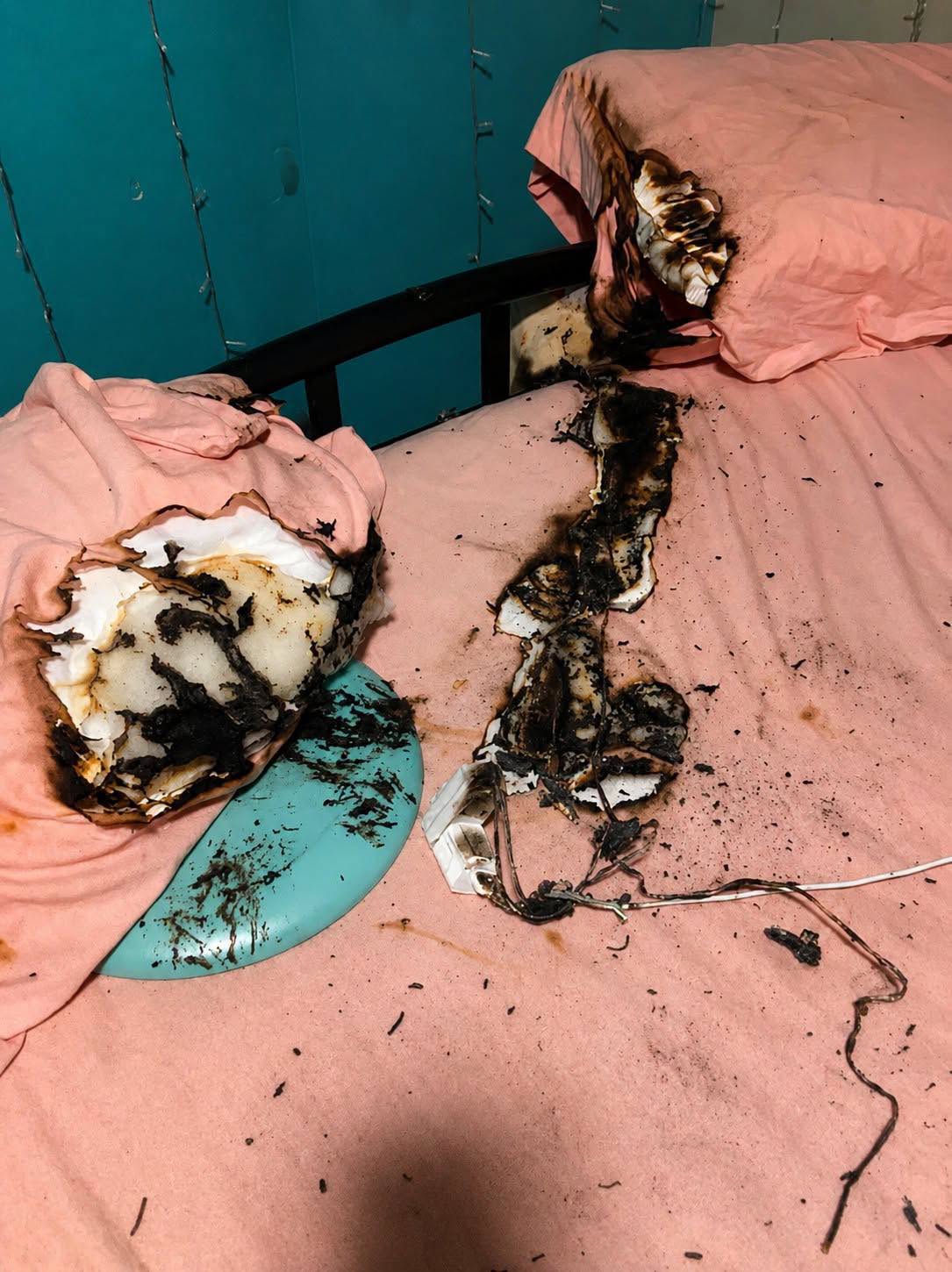
Charging a smartphone overnight is a standard daily habit for millions of people. However, placing a plugged-in phone, tablet, power bank, or charger directly on top of bedding, under a pillow, or tucked beneath blankets creates a severe, often overlooked fire hazard.
Every year, fire departments respond to house fires caused by overheated electronics left on soft surfaces. Understanding the thermal mechanics of lithium-ion batteries and charging equipment reveals why resting your device on a mattress can lead to dangerous thermal runaway.
The Science: Why Electronics Overheat on Soft Surfaces
Smartphones, power adapters, and charging blocks generate natural heat during operation. When surrounded by breathable air, this heat dissipates harmlessly into the room.
                  [ Factors Driving Charging Hazards ]
                                   |
     +-----------------------------+-----------------------------+
     |                             |                             |
[ Heat Trapping ]        [ Damaged Cable Pressure ]     [ Thermal Runaway Risk ]
  - Fabric acts as insulation - Bending weakens wires        - Overheating ignites foam
  - Prevents passive cooling   - Increases short-circuit risk - Releases toxic gas & flame
1. Insulating Effects of Bedding
Pillows, synthetic sheets, and memory foam mattresses act as heavy thermal insulators. When a phone or power strip is covered by fabric, heat cannot escape. Trapped heat elevates the internal temperature of the device rapidly.
2. Physical Strain on Charging Cables
Leaving a plugged-in cord on a bed subjects the connector to twisting, bending, and pressure from sleeping individuals. Damaged internal wires can short-circuit, sparking directly against flammable cotton or polyester bedding.
3. Thermal Runaway in Lithium-Ion Batteries
Excessive heat breaks down the delicate internal separators of a lithium-ion battery. This causes a cascading chemical failure known as thermal runaway, where the battery rapidly self-heats, swells, bursts, and ignites nearby mattress materials.
Safe Charging vs. Hazardous Habits
| Habit | Risk Level | Fire Hazard Potential |
| Charging on a hard nightstand | Safe | Low; allows proper airflow and heat dissipation |
| Charging under a pillow | Critical Risk | Extreme; traps heat completely around the battery |
| Using frayed or uncertified cables | High Risk | High; increased risk of short-circuits and electrical sparks |
| Leaving power strips on bedding | Critical Risk | Extreme; high current flow can ignite synthetic sheets |
Safe Bedroom Charging Rules to Prevent Fires
- Charge on Hard, Flat Surfaces: Always place phones, tablets, and power banks on a wooden or metal nightstand, desk, or hard floor.
- Use Manufacturer-Certified Chargers: Stick to original or UL-certified charging blocks and cables that feature built-in auto-cutoff protection.
- Inspect Cords Regularly: Discard and replace cables that show visible bending, fraying, or exposed wiring.
- Unplug When Fully Charged: Avoid leaving devices plugged in indefinitely on soft surfaces once they reach maximum capacity.
Important Safety Notice: If your phone feels uncomfortably hot to the touch while charging, smells like burning plastic, or shows signs of swelling, unplug the charger immediately from the wall outlet and place the device in a clear, non-flammable area.
Frequently Asked Questions (FAQ)
Is it safe to leave a phone charging overnight on a nightstand?
Yes, as long as the device rests on a hard, non-flammable surface in an open area, uses an undamaged, certified charger, and is not covered by books, clothes, or bedding.
Why do cheap or knockoff charging cables catch fire?
Inexpensive third-party cables often lack essential voltage regulators, thermal protection chips, and thick insulation. This makes them prone to overheating, melting, and short-circuiting under high electrical current.
Final Thoughts
While charging your phone on your bed may seem convenient, the thermal risks far outweigh the convenience. By shifting your nightly charging routine to a hard, well-ventilated surface and keeping cables off your mattress, you can protect your home and ensure a safe night’s sleep.
