
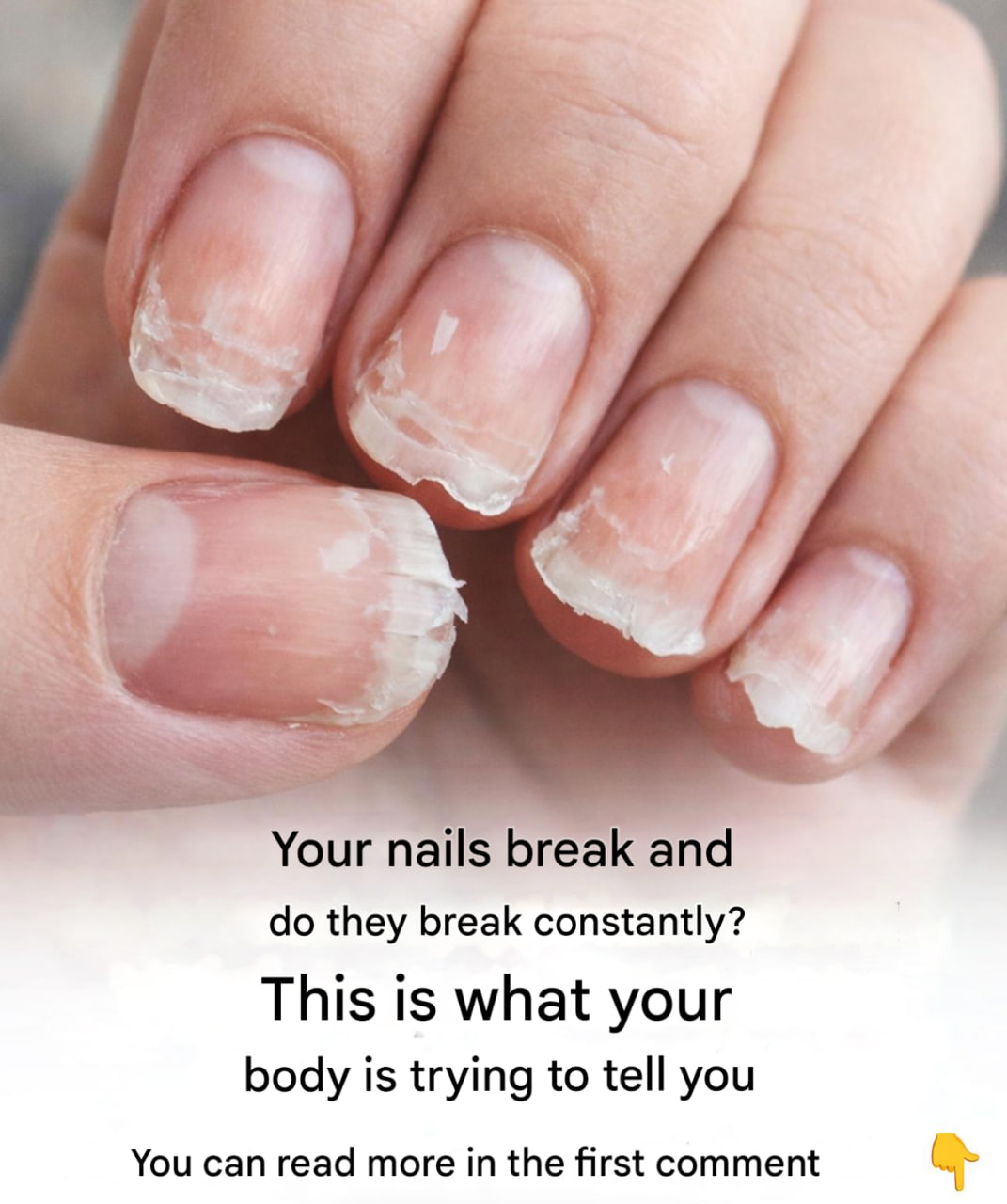
Every day, our bodies communicate subtle hints about our internal health, nutritional balance, and overall well-being. From the condition of our skin to the strength of our hair and nails, everyday physical signs often serve as indicators of how well our bodies are functioning. When minor changes occur, they can easily go unnoticed or be dismissed as simple cosmetic inconveniences.
In the digital world of health trivia and viral social media posts, sensationalized headlines frequently capture attention with dramatic claims that peeling or breaking nails are direct warning signs of severe, mysterious medical conditions. While online posts often exaggerate these physical symptoms for shock value, they highlight a very real truth: nail health is closely tied to overall nutrition, hydration, and daily care habits.
Understanding the connection between physical indicators and wellness reminds us how crucial proactive care is. Just as monitoring your physical health protects your body, making informed, structured choices in other areas of life ensures long-term security. Whether you are consulting a medical professional for routine check-ups, reviewing health insurance policies, exploring legal services, or managing your personal finances, taking a comprehensive approach ensures peace of mind.
Let’s explore the realities of nail health, common causes of brittle nails, and how to maintain strong, healthy hands.
The Science of Nail Growth and Common Causes of Breakage
Nails are composed of a tough protein called keratin, the same substance found in hair and outer skin layers. Healthy nail growth requires a steady supply of moisture, vitamins, and minerals.
H3: Key Factors That Affect Nail Strength
- Moisture and Environmental Exposure: Frequent exposure to water, harsh household cleaning chemicals, or dry weather can strip natural moisture from the nail bed, leading to peeling and brittleness.
- Nutritional Deficiencies: Diets lacking essential nutrients—such as biotin, iron, or adequate protein—can sometimes weaken the structural integrity of keratin over time.
- Physical Trauma and Overuse: Frequent use of harsh nail products, gel removals, or physical impacts can cause nails to fracture and split.
H3: Common Misconceptions and Internet Health Warnings
Sensationalized social media posts often claim that brittle nails are an immediate indicator of catastrophic internal organ failure. In reality, while persistent nail changes can occasionally reflect underlying nutritional gaps, they are most commonly the result of external factors like moisture loss, frequent handwashing, or chemical exposure.
H2: Practical Health Management and Risk Reduction
Maintaining optimal physical well-being involves a combination of smart daily habits and proactive professional medical guidance.
H3: Protecting Your Health and Future
Just as mindful nail care prevents physical damage, safeguarding your broader well-being requires careful planning:
- Routine Medical Screenings: Regular check-ups with your primary care physician allow for comprehensive blood work and health evaluations if you suspect a nutritional deficiency.
- Health and Wellness Insurance: Ensuring your health insurance policy covers routine preventive care and specialist consultations protects your financial stability against unexpected medical needs.
- Legal and Estate Planning: Working with a legal professional to establish healthcare directives ensures your medical preferences are properly documented and honored.
H3: Building Healthy Nail Habits
Protecting your hands with gloves during cleaning, applying moisturizing hand creams and cuticle oils regularly, and maintaining a balanced diet rich in vitamins can significantly improve nail strength and resilience.
H2: Interesting Facts About Nail Physiology and History
- Nail Growth Rate: Fingernails typically grow at an average rate of about 3.5 millimeters per month, meaning a completely new nail replaces itself in roughly six months.
- Historical Status Symbols: In ancient civilizations, long, unblemished fingernails were often a sign of wealth and high social status, indicating that the individual did not engage in manual labor.
- The Evolution of Manicures: Nail care dates back thousands of years; ancient Egyptians used henna and natural tints to stain their nails as a mark of rank and beauty.
Conclusion: Listening to Your Body With Balance
While dramatic internet headlines about breaking nails often exaggerate reality, they serve as a useful reminder to care for our bodies from the inside out. Maintaining strong nails requires proper hydration, protection from harsh chemicals, balanced nutrition, and regular health check-ups.
Just as physical health relies on proactive choices, managing your broader life milestones demands careful attention. Whether you are reviewing health insurance policies, organizing your finances, or consulting with professionals, staying informed ensures long-term well-being and security.
FAQ Section: Nail Health, Nutrition, and Wellness
Q1: What are the most common causes of weak or peeling nails?
A1: Frequent exposure to water, harsh cleaning chemicals, dry weather, and lack of adequate moisture are the most common culprits behind brittle and peeling nails.
Q2: Do brittle nails always indicate a serious medical condition?
A2: No. While persistent nail changes can sometimes point toward minor nutritional gaps, they are usually caused by external environmental factors rather than severe medical emergencies.
Q3: How can I naturally strengthen my fingernails?
A3: Moisturizing your hands regularly, wearing gloves while doing housework, avoiding harsh chemical removers, and eating a balanced diet rich in protein and vitamins help improve nail strength.
Q4: Why do articles about health trivia sometimes mention insurance and legal services?
A4: Content platforms often connect wellness topics with broader themes of life planning, risk management, and personal protection, helping readers explore professional services that support long-term security.
Q5: When should I consult a doctor about my nail health?
A5: If you notice sudden, severe changes in your nail color, shape, or texture that do not improve with basic care and moisturizing, you should consult a dermatologist or primary care physician.
