
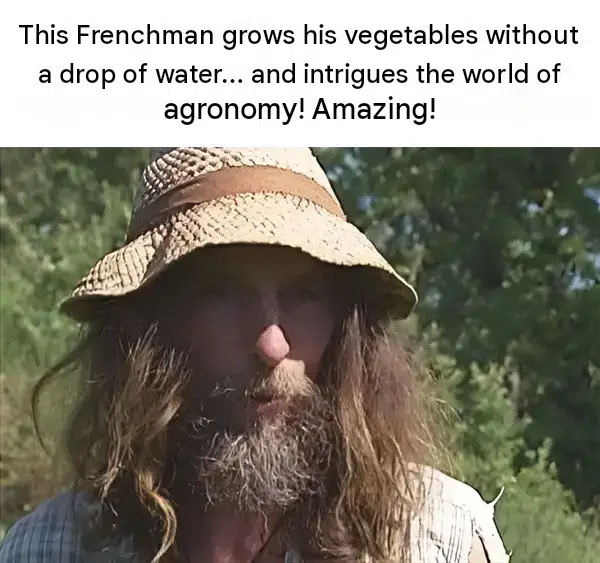
As global climate change, water scarcity, and agricultural challenges place increasing pressure on modern farming, innovators around the world are rethinking traditional cultivation methods. Among the most fascinating stories captivating agronomists, environmentalists, and home gardeners alike is that of a remarkable French gardener who manages to grow lush, thriving vegetables without using a single drop of water. At a time when agricultural irrigation consumes vast amounts of natural water resources, this zero-irrigation approach challenges conventional farming assumptions and offers inspiring lessons for sustainable living.
Understanding the innovative techniques behind water-free agriculture sheds light on how ancient wisdom, soil science, and modern ecological practices can come together to revolutionize food production, environmental conservation, and sustainable gardening.
The Philosophy of Zero-Irrigation Agriculture
Growing crops without watering systems sounds impossible to anyone familiar with standard gardening. Traditional farming relies heavily on consistent rainfall or artificial irrigation, sprinklers, and drip lines to keep plants hydrated through dry summer months. However, this innovative French grower utilizes specialized soil management and natural cultivation principles that eliminate the need for artificial watering entirely.
The secret lies in shifting the focus from watering the plants directly to cultivating and protecting the soil ecosystem. By maximizing the earth’s natural ability to retain moisture, plant roots are encouraged to search deep underground for hydration rather than relying on surface moisture.
Key Principles of Water-Free Vegetable Cultivation
Achieving successful crop growth without irrigation requires mastering several core agronomic techniques:
1. Deep Soil Preparation and Root Development
Instead of shallow tilling, deep soil preparation allows plant root systems to penetrate several feet into the earth. Deeper roots access stable subterranean moisture reserves and natural water tables that remain untouched by surface evaporation.
2. Heavy Mulching and Soil Cover
Applying thick layers of organic mulch—such as straw, leaves, and compost—across the garden beds creates an effective insulating barrier. This mulch layer prevents solar evaporation, keeps soil temperatures stable, and feeds beneficial soil microorganisms that retain moisture.
3. Maximizing Soil Organic Matter
Rich, humus-heavy soil acts like a natural sponge, absorbing and holding onto any residual moisture from morning dew, winter rains, or deep soil condensation. Improving soil structure eliminates the need for supplemental watering during dry spells.
+-------------------------------------------------------------------+
|               ZERO-IRRIGATION CULTIVATION METHODS                 |
+-------------------------------------------------------------------+
| Technique             | Primary Agricultural Benefit              |
+-----------------------+-------------------------------------------+
| Deep Root Training    | Encourages roots to reach subterranean water|
| Heavy Organic Mulch   | Blocks sun evaporation and retains dampness|
| Humus-Rich Soil       | Acts as a natural underground moisture sponge|
+-------------------------------------------------------------------+
Why This Innovation Intrigues Agronomists Worldwide
The methods practiced by this French grower have sparked intense interest among agricultural scientists and researchers studying climate-resilient farming. With water shortages affecting farming regions globally, discovering methods to produce food with zero irrigation could transform dryland agriculture, lower production costs, and conserve vital water supplies.
- Climate Resilience: Developing crops that thrive without irrigation helps secure food production in drought-prone areas.
- Cost Efficiency: Eliminating water bills, pump maintenance, and automated irrigation infrastructure reduces overhead expenses for growers.
- Environmental Sustainability: Conserving water resources protects local watersheds, rivers, and aquifers from over-extraction.
Comparing Traditional Gardening vs. Zero-Irrigation Methods
| Feature | Traditional Irrigated Gardening | Zero-Irrigation Method |
| Water Usage | High (Requires regular watering/hoses) | Zero artificial irrigation |
| Root Depth | Often shallow (surface dependent) | Deep and robust (subterranean reach) |
| Soil Protection | Varies by management | Heavy reliance on organic mulch blankets |
| Labor Requirement | Ongoing watering and system maintenance | Initial heavy soil prep, lower daily upkeep |
Practical Tips for Implementing Water-Wise Gardening at Home
While transitioning to completely zero-irrigation farming requires specialized soil conditioning, home gardeners can easily adopt water-wise practices to reduce their outdoor water usage:
- Apply Thick Mulch Layers: Cover garden beds with 3 to 4 inches of organic straw or wood chips to drastically cut down moisture evaporation.
- Water Deeply, Not Frequently: Instead of daily shallow sprinklers, water deeply a few times a week to encourage roots to grow downward.
- Improve Soil with Compost: Incorporate rich compost annually to increase the soil’s natural water-holding capacity.
- Choose Drought-Resilient Varieties: Plant vegetable cultivars known for deep root systems and strong heat tolerance.
Conclusion
The remarkable story of the French gardener who grows thriving vegetables without a single drop of water demonstrates the incredible potential of sustainable agriculture. By focusing on soil health, deep root development, and natural moisture retention, innovative growers are redefining what is possible in modern farming. Whether you are managing a backyard garden or exploring global agricultural trends, adopting water-wise habits offers a powerful step toward a more sustainable future.
Frequently Asked Questions (FAQ)
How can vegetables grow without any water?
Vegetables require moisture to grow, but instead of surface watering, this method relies on deep soil preparation, heavy organic mulching, and rich humus that retains subterranean moisture and trains roots to absorb water from deep underground.
Is zero-irrigation farming possible in any climate?
While possible, success depends heavily on regional soil types, initial moisture levels, and organic matter content. It is particularly valuable in arid or drought-prone regions facing water scarcity.
Do plants grown without watering taste different?
Many agronomists note that plants with deep root systems often absorb a wider array of minerals from deeper soil layers, which can result in rich, concentrated flavors in harvested vegetables.
How can home gardeners reduce their garden water consumption?
Home gardeners can significantly lower water use by applying thick layers of mulch, improving soil organic matter with compost, and watering deeply less frequently to promote deeper root growth.
