
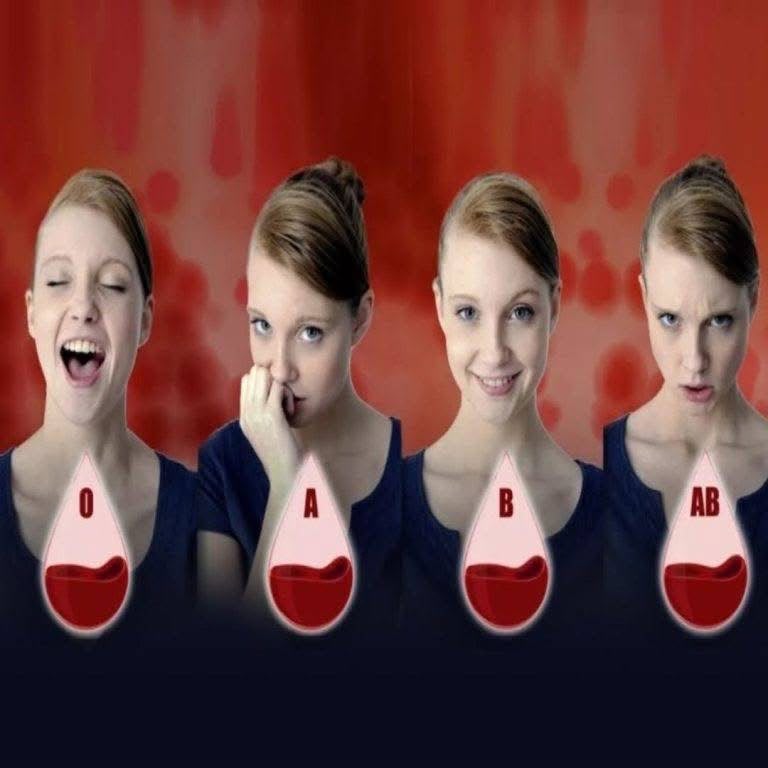
The idea that our biological makeup dictates more than just our physical health has fascinated humanity for generations. From astrology and palmistry to personality typing tests, people constantly look for frameworks to explain why individuals behave the way they do. One of the most unique and widespread theories of personality classification links human behavior directly to blood groups—specifically the ABO system (types O, A, B, and AB). Popularly known as ketsuekigata in some parts of the world, this concept suggests that your blood type can offer profound insights into your temperament, strengths, weaknesses, and interpersonal relationships. Let’s take a deep dive into the history, cultural impact, and scientific reality of blood type personality theories.
The Origins of Blood Type Personality Theory
While Western societies primarily view blood groups through a strictly medical lens—focusing on transfusions, genetics, and compatibility—the connection between blood and personality gained massive cultural traction in East Asia during the 20th century.
- Early Roots: The theory was popularized in Japan during the 1920s and 1930s following publications that attempted to categorize human temperaments based on biological traits.
- Resurgence in the 1970s: The concept experienced a massive resurgence thanks to books by Masahiko Nomi, which argued that blood types dictate psychological characteristics just as they determine physiological compatibility.
- Everyday Integration: Today, asking someone their blood type in certain cultures is as common as asking their astrological sign, influencing everything from dating preferences to corporate hiring trends.
Breaking Down the Types: What Do O, A, B, and AB Say?
According to popular personality frameworks, each major blood group corresponds to a distinct set of behavioral tendencies and emotional responses. Let’s examine how each type is traditionally characterized:
Type O: The Enthusiastic and Outgoing Optimist
Individuals with Type O blood (often represented with a joyful or laughing expression) are frequently described as energetic, outgoing, and confident.
- Core Traits: Natural leaders, resilient under pressure, and highly ambitious.
- Social Style: They tend to be expressive, social, and eager to engage with crowds, mirroring an open and lively disposition.
Type A: The Sensitive and Cautious Thinker
Type A personalities are typically portrayed as meticulous, thoughtful, and sensitive.
- Core Traits: Perfectionistic, highly organized, and deeply empathetic to the feelings of others.
- Social Style: Often more reserved or cautious in unfamiliar environments, sometimes prone to overthinking or worry, reflecting a studious and careful demeanor.
Type B: The Balanced and Creative Individual
Type B individuals are often viewed as adaptable, creative, and emotionally balanced.
- Core Traits: Independent, passionate, and driven by curiosity rather than rigid structures.
- Social Style: They march to the beat of their own drum, displaying a calm, steady, and pleasant outlook on life without being overly bound by convention.
Type AB: The Complex and Analytical Pragmatist
Type AB represents a blend of characteristics, often associated with complexity and rational thinking.
- Core Traits: Analytical, highly intuitive, and multifaceted.
- Social Style: They can shift between outgoing and reserved depending on the situation, sometimes displaying a serious, intense, or critical focus when solving complex problems.
The Scientific Perspective: Fact Versus Cultural Folklore
While blood type personality typing remains a massive cultural phenomenon, the scientific community maintains a clear consensus: there is no direct genetic or physiological link between the ABO blood group antigens on red blood cells and human personality traits.
- Lack of Empirical Evidence: Numerous psychological studies have tested the correlation between blood types and personality inventories, consistently finding no statistically significant relationship.
- The Barnum Effect: Much like horoscopes, descriptions of blood type traits are often broad enough that individuals can find personal relevance in multiple categories, leading to confirmation bias.
- Cultural Impact: Despite the lack of medical backing, the framework persists because it provides a fun, structured way for people to categorize social dynamics and explore self-reflection.
Health, Wellness, and Medical Considerations
While blood types may not dictate whether you are outgoing or cautious, they do play a critical role in physical health, medical treatments, and emergency care. Understanding your blood type is essential for several practical reasons:
Blood Transfusions and Compatibility
In medical emergencies, knowing your blood type is a matter of life and death. Antigens on red blood cells dictate which types can be safely mixed during transfusions. Universal donors and recipients depend entirely on these precise biological classifications.
Health Risks and Medical Research
Medical studies occasionally investigate statistical correlations between specific blood groups and susceptibility to certain health conditions, such as cardiovascular variations or specific infections. While these studies look at broad physiological trends rather than personality, they highlight why medical record-keeping and regular check-ups are vital components of personal health management.
Legal and Medical Documentation
Ensuring your medical history is accurately documented protects you during healthcare procedures. Consulting with medical professionals and maintaining up-to-date health records ensures safe treatment pathways in any clinical environment.
Conclusion: Balancing Fun Lore with Scientific Reality
The fascination with matching blood types to emotional expressions and behavioral traits shows humanity’s endless desire to understand itself. Whether viewed as an entertaining cultural pastime or a lighthearted way to spark conversations with friends, the ketsuekigata concept remains a vibrant part of modern pop culture. At the same time, remembering the true medical significance of blood types keeps us grounded in biological reality. Enjoy exploring the fun side of personality typing, but always trust science when it comes to your health and well-being!
FAQ Section
Q: What do the different letters in blood types stand for? A: The letters A, B, and O refer to the presence or absence of specific inherited carbohydrate antigens on the surface of red blood cells. Type AB features both antigens.
Q: Is there scientific proof that blood type determines personality? A: No. Extensive scientific and psychological research has found no causal link between a person’s ABO blood group and their behavioral or personality traits.
Q: Where did the blood type personality theory originate? A: The theory gained widespread popularity in Japan during the 20th century through cultural essays and books published in the 1970s by Masahiko Nomi.
Q: Why is knowing your actual blood type important in real life?
A: Knowing your blood type is critical for safe blood transfusions during surgeries, emergency medical care, and pregnancy planning.
Q: Can blood types affect your physical health? A: Yes, medical research has identified certain statistical correlations between specific blood groups and susceptibility to certain physical illnesses, though it does not impact psychological personality.
