
Introduction
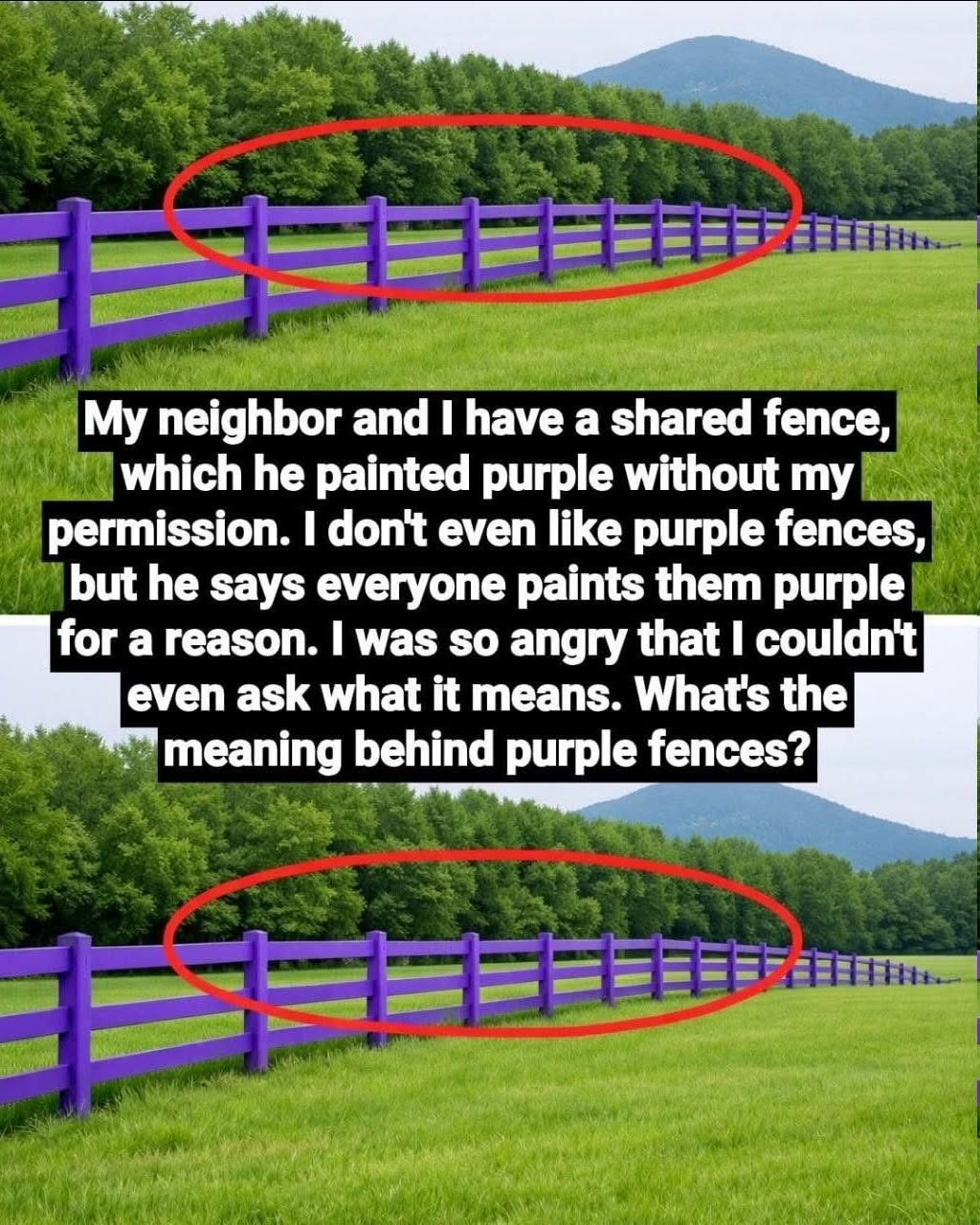
Encountering a brightly painted fence on a property line can certainly catch your attention, especially if it appears in an unexpected color like purple. Across rural and suburban areas, property markers and boundary fences often serve practical purposes beyond simple aesthetics, leading to widespread curiosity about what specific colors signify.
Evaluating property boundary disputes and local customs closely mirrors making informed choices in other specialized areas—such as reviewing real estate contracts, assessing municipal zoning laws, or managing neighborhood agreements—where understanding legal rights and regional traditions is essential. In this comprehensive guide, we explore the history and legal meaning behind purple property markers, examine fence ownership regulations, and share practical tips for resolving neighbor disputes amicably.
Understanding Property Boundaries and Fence Laws
When neighbors share a boundary line, managing maintenance, repairs, and visual appearance can sometimes become a source of friction.
1. The Legal Significance of Purple Markers
- No-Trespassing Indicators: In several states, purple paint marks on trees or posts legally serve as a substitute for traditional “No Trespassing” signs, alerting outsiders to private property boundaries.
- Visibility and Durability: Paint provides a long-lasting marker that does not easily weather, rust, or fall down like metal or wooden signs.
2. Shared Fences and Neighbor Relations
Property laws regarding shared boundary fences vary significantly by region. In many jurisdictions, fences built directly on property lines are considered joint property, meaning major modifications or repainting often require mutual consent.
Practical Tips for Resolving Neighborhood Disagreements
- Communicate Calmly: Approach your neighbor with a polite, open conversation to understand their perspective before frustration escalates.
- Check Local Regulations: Review local municipal codes or property association guidelines regarding boundary structures and color restrictions.
- Establish Clear Agreements: Document any shared property maintenance plans in writing to prevent future misunderstandings.
Interesting Facts About Property Markings
- The legal use of purple paint to mark boundaries originated as a way to assist landowners who found traditional signs constantly torn down or weathered away.
- Fencing laws date back centuries, with historical common law dictating various responsibilities for enclosing livestock and protecting land rights.
- Bright colors in rural property management are frequently utilized to ensure high visibility from a distance.
Conclusion
While waking up to find a shared fence painted an unexpected color can be frustrating, understanding the local laws, customs, and communication strategies can help resolve property disputes smoothly. By maintaining open dialogue and knowing your legal rights, you can protect your property interests while preserving good neighborly relations.
Frequently Asked Questions
What does a purple fence or property mark legally mean?
In specific states, purple paint marks serve as a legal notification that the land is private property and trespassing is prohibited.
Can a neighbor paint a shared boundary fence without permission?
Laws vary by location, but shared or party fences generally require agreement from both property owners before undergoing significant alterations like repainting.
How can I handle a disagreement over property lines or fence colors?
Reviewing local property deeds, consulting municipal ordinances, and having a calm conversation with your neighbor are the best first steps.
