
Introduction
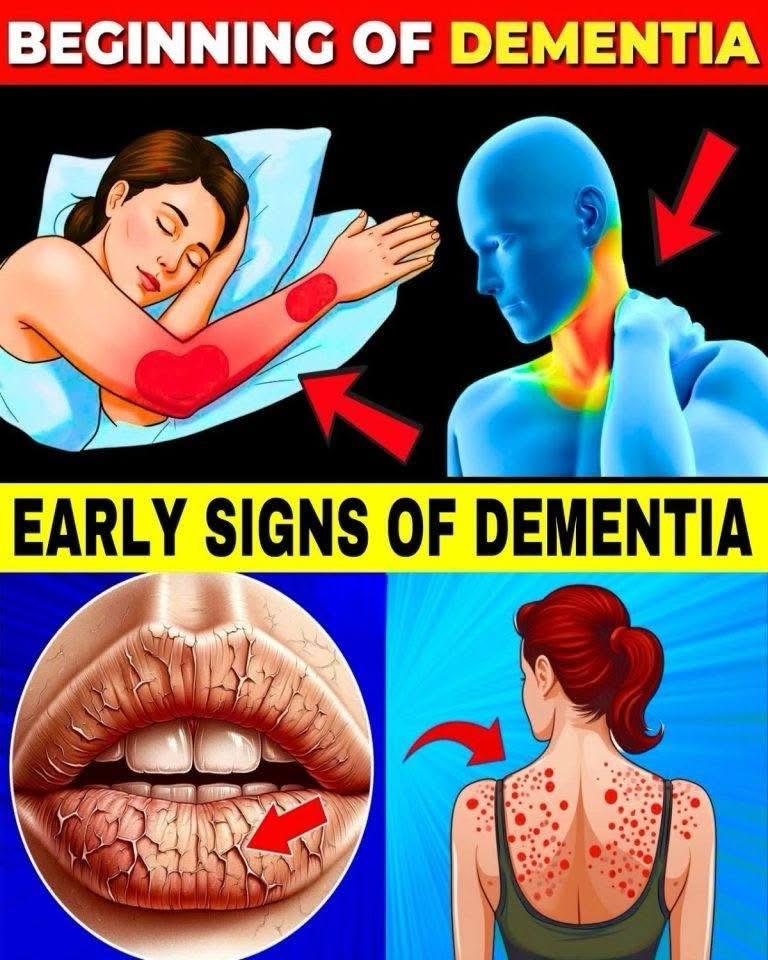
Health warning topics and neurological symptom tips possess an incredible ability to capture the attention of audiences across social media platforms. When an informative graphic appears highlighting cognitive health signs—such as early indicators of memory and neurological changes—it instantly sparks widespread curiosity, conversation, and engagement. Users eagerly read through the list of potential signs, share their personal health experiences in the comment sections, and discuss preventive self-care practices.
Exploring why these health infographics go viral provides a fascinating look into digital wellness culture and medical interest. By examining how cognitive symptoms are perceived and shared online, we can better understand how education, awareness trends, and lifestyle choices shape modern health-seeking behavior.
The Science and Awareness of Cognitive Health
Common neurological signals and early health indicators have become frequent subjects of public health discussions. Proponents of health education highlight various indicators associated with underlying causes, including cognitive changes, lifestyle habits, and general wellness factors.
Additionally, medical and wellness discussions frequently emphasize the importance of recognizing subtle bodily signals and seeking professional evaluations promptly. Recognizing how these health educational materials interact with public curiosity helps explain why medical infographics generate such widespread interest online.
Practical Tips for Monitoring Health and Wellness
Enhancing your daily wellness routine with proactive health monitoring can be vital. Here are several practical strategies to safely include health awareness practices in your life:
- Listen to Your Body: Pay close attention to persistent physical or cognitive changes and note them for medical discussions.
- Consult Professionals: Always speak with a qualified healthcare provider for proper diagnosis rather than relying on online graphics.
- Schedule Regular Checkups: Maintain routine medical examinations to support early detection and overall preventive care.
- Prioritize Balanced Wellness: Support your long-term comfort with proper lifestyle habits and healthy daily routines.
- Share Reliable Information: Promote evidence-based health resources when discussing medical topics with friends and family online.
Interesting Facts About Health Communication and Digital Engagement
The history of medical awareness campaigns is filled with astonishing insights. Consider these fascinating facts:
- Digital Health Reach: Health-related infographics naturally trigger high social media engagement because people care deeply about personal wellness.
- The Power of Visuals: Striking medical illustrations capture attention instantly in crowded social media feeds, driving users to read the accompanying details.
- Universal Appeal: Health topics cross cultural and language barriers effortlessly, serving as vital community discussion points.
- Digital Shareability: Content that highlights warning signs consistently achieves high comment and share rates as users tag loved ones to spread awareness.
The Broader Impact: Medicine, Education, and Public Health
While health infographics serve primarily as educational inspiration for social media users, the principles behind symptom awareness are vital in modern preventive care. Understanding how public health messages spread helps educators reach broader audiences with useful information.
Conclusion
Viral health graphics remind us of how deeply people care about medical awareness and preventive strategies. Whether you are reviewing common warning signs or learning about cognitive health for the first time, these engaging posts offer a starting point for deeper health consciousness. By prioritizing professional medical advice and maintaining a proactive approach to wellness, we can support our long-term health every day.
Frequently Asked Questions (FAQ)
1. Why do health warning infographics go viral so easily on social media?
Health posts create an immediate emotional reaction and curiosity gap, prompting users to share warning signs, tag friends, and discuss symptoms in the comment sections.
2. What are some factors often discussed in relation to early cognitive changes?
Educational posts frequently highlight factors such as memory indicators, neurological health awareness, and lifestyle routines.
3. Can online infographics replace professional medical advice?
No, online graphics are for educational awareness only; any persistent symptoms or health concerns should always be evaluated by a qualified physician.
4. How can I get the full health guide mentioned in the post?
Simply comment below to receive our exclusive wellness breakdown and start exploring these important health topics!
