
Introduction
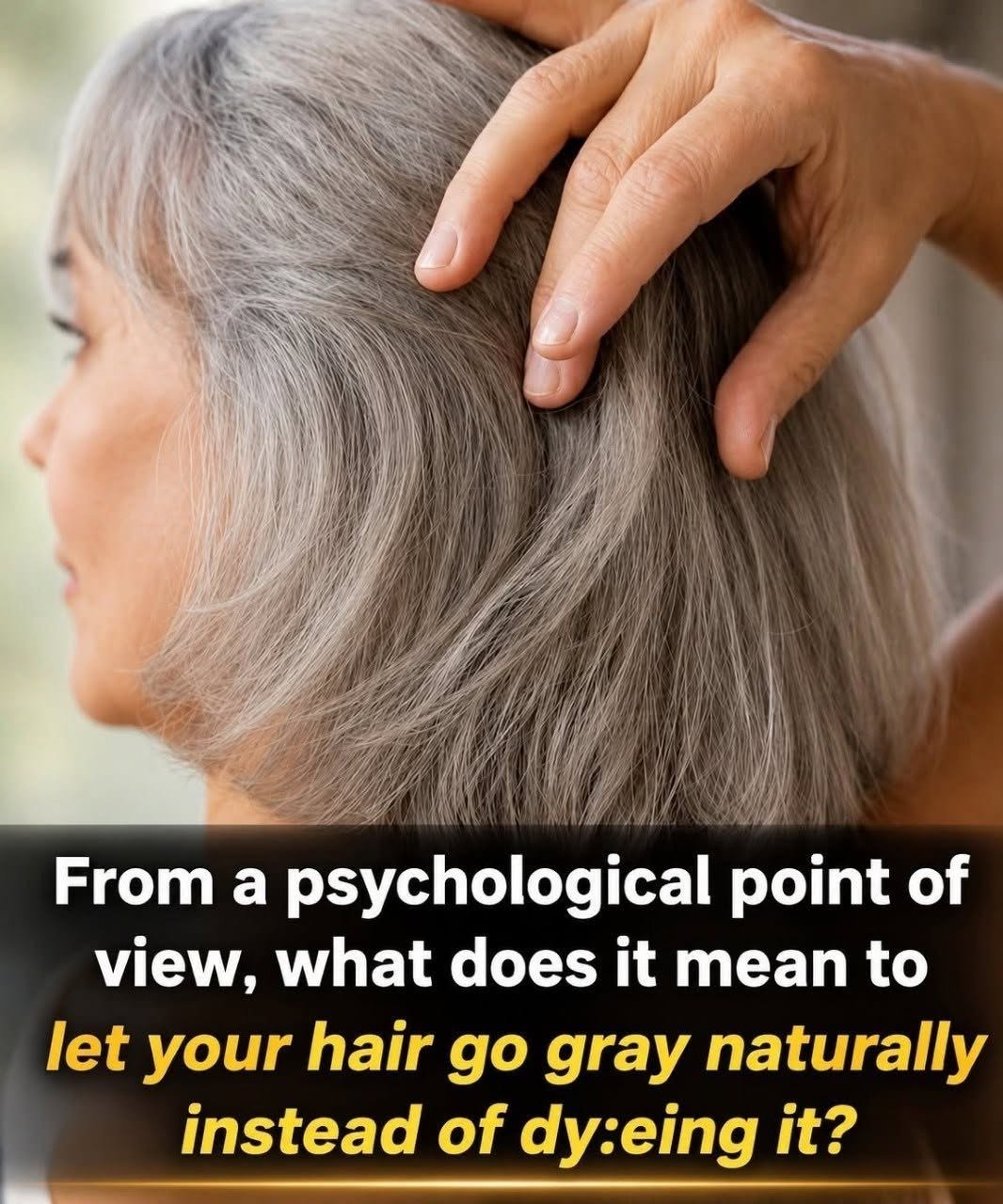
Choosing to stop dyeing hair and transition to natural gray or silver is a significant personal journey. While it may appear on the surface as simply skipping salon appointments, psychologists and self-esteem researchers view letting your hair go gray as a meaningful psychological transition.
Embracing natural silver hair often reflects a shift in personal mindset, self-perception, and autonomy. It marks a move away from external youth-focused societal pressures toward deep self-acceptance and authentic self-expression.
In this psychology and lifestyle guide, we will explore the psychological meaning behind letting your hair go gray naturally, examine societal beauty standards, share practical tips for a seamless silver transition, and answer frequently asked questions.
1. What Letting Your Hair Go Gray Means Psychologically
Transitioning to natural gray hair represents several positive psychological shifts in personal identity and self-image.
+--------------------------+------------------------------------------------------+
| Psychological Pillar     | Personal Meaning & Core Shift                        |
+--------------------------+------------------------------------------------------+
| Radical Self-Acceptance  | Embracing natural physical aging without shame.      |
| Reclaiming Autonomy      | Rejecting rigid societal youth standards and upkeep. |
| Authentic Self-Expression| Aligning outer physical appearance with inner identity.|
| Reduced Decision Fatigue | Freedom from repetitive salon routines and expense.  |
+--------------------------+------------------------------------------------------+
Key Psychological Drivers
- Radical Self-Acceptance: Choosing to display natural silver locks indicates a high level of self-acceptance. It signals a willingness to honor the body’s natural evolution rather than fighting the visible passage of time.
- Reclaiming Personal Autonomy: For decades, societal expectations have dictated that gray hair must be hidden. Ditching hair dye is a powerful declaration of personal control over your own body and aesthetics.
- Authenticity and Identity Integration: Many individuals report feeling a disconnect between their colored hair and their true, maturing self. Allowing gray hair to grow out creates congruence between inner maturity and outer appearance.
- Freedom from Social Performance: Constantly covering roots can feel like an endless chore. Letting gray show reflects a conscious choice to prioritize personal comfort and ease over meeting external expectations.
2. Overcoming the Psychological Hurdles of Going Gray
While empowering, the transition process can present psychological challenges as individuals navigate societal conditioning around aging.
+--------------------------+------------------------------------------------------+
| Common Challenge         | Psychological Strategy & Mindset Shift               |
+--------------------------+------------------------------------------------------+
| Fear of Looking "Older"  | Redefine gray as sophisticated, chic, and powerful.  |
| The "Root Line" Phase    | Reframe growth as a journey of personal transformation.|
| External Comments        | Anchor confidence internally rather than in opinion.|
+--------------------------+------------------------------------------------------+
Navigating the Transition Phase
- Reframing Aging as Wisdom and Confidence: Shift the internal narrative from viewing gray hair as “losing youth” to viewing it as a badge of lived experience, wisdom, and self-assurance.
- Managing the Demarcation Line: The multi-month process of growing out dyed hair can feel awkward. Working with a stylist to add silver highlights, lowlights, or short hair cuts helps ease the visual transition.
- Building a Supportive Network: Surrounding yourself with online or local “silver sister” communities provides positive reinforcement and inspiration during the growth process.
3. Practical Tips for a Smooth Silver Transition
Transitioning to natural hair requires both physical hair care adjustments and a positive mindset.
Hair Care and Style Guidelines
- Invest in Purple Shampoo: Gray hair can occasionally yellow due to environmental pollutants and sun exposure. Use a tone-correcting purple or silver shampoo weekly to keep tones bright and vibrant.
- Focus on Moisture and Hydration: Gray hair naturally produces less sebum and can feel coarser or drier. Incorporate deep-conditioning hair masks and leave-in oils to maintain shine and softness.
- Update Your Wardrobe and Makeup: Natural silver hair changes your visual contrast. Experimenting with bold jewel-toned clothing and fresh lipstick shades can elevate your overall style.
Conclusion: A Celebration of Authenticity and Power
Choosing to let your hair go gray naturally is far more than a hair care choice—it is a celebration of authenticity, self-confidence, and personal liberation.
Embrace your natural silver crown with confidence and pride!
Practical Style & Mental Health Tips
- Consult a Colorist First: Talk to a professional stylist about transitioning options like gray blending, highlights, or a pixie cut to make the change smooth.
- Celebrate Milestone Inches: Track your natural growth progress monthly to build excitement as your natural silver hair takes center stage.
- Protect Hair from Heat: Gray hair is more susceptible to heat discoloration. Always apply a heat-protectant spray before using blow dryers or flat irons.
FAQ Section
Q: Why do people feel liberated after stopping hair dye?
A: Many people experience immense psychological relief from abandoning strict beauty expectations, saving time and money, and feeling fully authentic in their natural skin.
Q: Does gray hair mean your hair is unhealthy?
A: No. Graying is a natural biological process caused by hair follicles producing less melanin (pigment) over time. It is a sign of natural aging, not poor hair health.
Q: How long does it take to fully grow out gray hair?
A: Depending on hair length and growth speed, a full transition typically takes 6 months to 2 years. Shorter hairstyles allow for a much faster transition.
