
Introduction
Throughout human history, traditional herbal remedies have offered unique approaches to daily wellness, discomfort management, and physical recovery. Long before modern pharmaceuticals and advanced health insurance coverage were widespread, communities relied heavily on local flora to support body function and soothe aching muscles. Among the wide array of botanical species recognized in traditional herbalism, mullein (Verbascum thapsus) stands out as one of the most versatile and widespread plants.
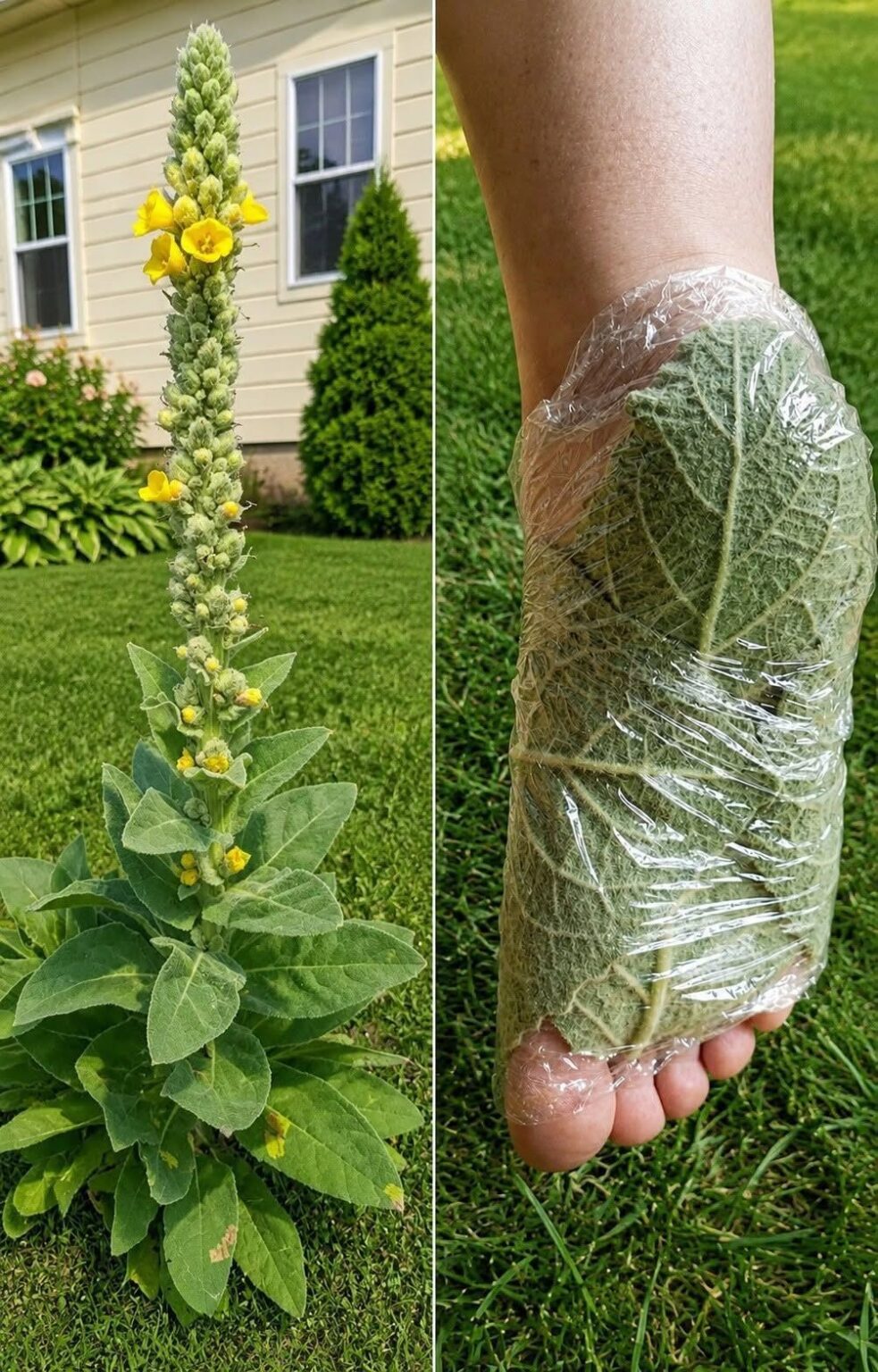
Characterized by its tall yellow flower spikes and large, soft, fuzzy leaves, mullein has earned a distinct place in traditional health practices. One practice gaining popularity in wellness circles is the application of topical herbal leaf wraps, particularly on the feet and joints. Understanding how herbal topicals work, the historical context of natural applications, and how to safely incorporate them into modern lifestyle practices offers valuable insights for anyone pursuing natural self-care.
Understanding Mullein: Nature’s Velvet Plant
Mullein is a biennial plant native to Europe, Asia, and North Africa, though it now grows abundantly across North America. Often found along roadsides, open fields, and sunny garden spots, it is easily recognized by its soft, woolly leaves and tall flowering stalks that emerge during its second year of growth.
Active Biochemical Compounds
The therapeutic reputation of mullein stems from its rich concentration of natural phytochemicals. Researchers and herbalists highlight several key active constituents within the plant’s tissue:
- Saponins: Natural compounds known for their cleansing properties and potential to soothe localized tissue.
- Flavonoids: Powerful antioxidants that protect plant and human cells from oxidative damage and inflammation.
- Iridoid Glycosides: Compounds such as aucubin, which have demonstrated notable anti-inflammatory and mild antimicrobial properties in laboratory research.
- Mucilage: Gel-like polysaccharides that act as a soothing, demulcent agent, protecting sensitive or irritated surface tissues.
Why People Wrap Mullein Leaves Around Their Feet
The practice of wrapping plant leaves around localized areas—including the feet, ankles, knees, or wrists—is an ancient topical technique often referred to as an herbal poultice or compress. Applying mullein leaves directly to the skin, secured with plastic wrap or cloth, serves several intentional purposes.
1. Transdermal Absorption and Transpiration
When soft, fresh leaves are placed against the skin and wrapped, a warm micro-climate is created. This process traps heat and moisture, allowing the plant’s mucilage, flavonoids, and active compounds to interact directly with the epidermal layer. Proponents suggest this moist heat encourages blood circulation in tired feet and allows localized absorption of plant compounds.
2. Soothing Aches, Swelling, and Foot Fatigue
Our feet sustain immense daily impact, supporting body weight during long work hours, travel, and exercise. Swelling, plantar discomfort, and joint stiffness in the feet can disrupt daily life. The anti-inflammatory iridoids and flavonoids in mullein are traditionally believed to ease localized soreness, relieve tension, and reduce minor swelling in fatigued lower extremities.
3. Natural Reflexology and Comfort
In various holistic traditions, the soles of the feet are regarded as critical focal points for bodily wellness. Applying warm, soothing plant material to the feet promotes relaxation, calms the nervous system, and provides immediate sensory comfort after a long day of standing or physical labor.
The Historical Role of Mullein in Holistic Wellness
For centuries, mullein was regarded as a cornerstone plant in European folk medicine, Native American traditional healing, and early American botanical practices.
Historical Applications Across Cultures
- Respiratory Support: Mullein teas, steam inhalations, and extracts were traditionally utilized to soothe coughs, bronchial irritation, and respiratory congestion.
- Topical Salves and Poultices: Crushed mullein leaves were applied to burns, bruises, insect bites, and swollen joints to reduce swelling and ease pain.
- Ear Comfort: Infusions of mullein flowers in olive oil remain a classic traditional home remedy for minor ear comfort.
Today, interest in herbal traditions has expanded alongside modern wellness education, with individuals seeking natural balance to complement formal medical services.
Practical Tips for Using Mullein Safely at Home
If you are curious about exploring natural topical wraps or incorporating mullein into your wellness routine, following practical safety and preparation guidelines ensures a beneficial experience.
- Identification and Sourcing: Ensure proper plant identification before harvesting wild plants. Avoid harvesting mullein near busy roadways, commercial sites, or areas treated with chemical pesticides and fertilizers.
- Strain Away Fine Hairs: Mullein leaves are covered in tiny, fine hairs (trichomes). When making teas or extracts, always strain liquids through fine cloth or coffee filters to prevent mechanical irritation to the throat or skin.
- Perform a Patch Test: Before applying a full foot wrap, test a small piece of crushed leaf on your inner forearm for 20 to 30 minutes to check for allergic reactions or contact dermatitis.
- Maintain Good Foot Hygiene: Clean thoroughly and dry your feet before and after applying any plant wrap. Limit wrap time to a few hours or overnight to allow the skin to breathe properly afterwards.
- Consult Healthcare Professionals: Always speak with a qualified medical professional before using herbal remedies, especially if you have chronic health conditions, open wounds, diabetic neuropathy, or are pregnant.
Interesting Facts About Mullein
- Historical Torches: In medieval Europe, dried mullein stalks were dipped in tallow or wax and burned as torches, giving the plant historical nicknames like “Candlewick Plant” and “Torches.”
- Nature’s Soft Tissue: Due to the soft, velvet texture of its large leaves, outdoor enthusiasts and hikers have long referred to mullein as “cowboy toilet paper.”
- Prolific Seed Producer: A single mullein plant can produce up to 100,000 to 180,000 seeds annually, which can remain viable in the soil for decades awaiting favorable germinating conditions.
Conclusion
The resurgence of interest in traditional practices like mullein leaf foot wraps highlights a broader cultural shift toward holistic living, preventative self-care, and natural wellness. While modern medicine and specialized healthcare services remain essential for treating complex illness, incorporating traditional herbal knowledge offers a grounding, accessible way to soothe tired muscles, support foot comfort, and reconnect with natural remedies.
FAQ Section
Is it safe to put mullein leaves directly on the skin?
For most people, mullein leaves are safe for topical use. However, the tiny hairs on the leaves can occasionally cause mild skin irritation in sensitive individuals. Performing a patch test beforehand is always recommended.
How long should you keep an herbal foot wrap on?
Herbal wraps are typically kept on for 1 to 2 hours during relaxation, or left on overnight. Ensure the wrap is comfortable and not tied too tightly around the skin or circulation points.
Can mullein cure joint or foot conditions?
Mullein wraps provide temporary soothing comfort and minor relief for tired feet or mild soreness. They are a complementary natural comfort measure rather than a cure for medical joint disorders or structural foot issues.
Where can I buy or find fresh mullein leaves?
Mullein can be found growing wild in rural and suburban fields across North America and Europe. Dried leaves, salves, and extracts can also be purchased from certified herbalists, health stores, and natural product retailers.
