
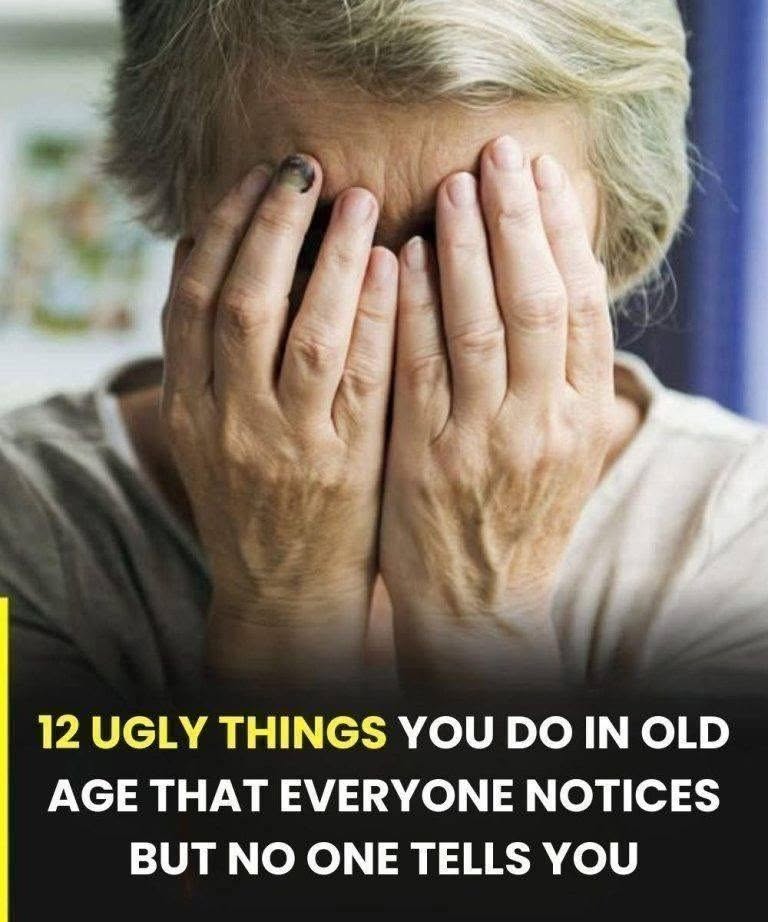
As people age, daily routines, habits, and physical behaviors often undergo gradual shifts. From minor changes in grooming or social communication to lifestyle adjustments, these natural developments are a normal part of the human life cycle. Yet, they often go unmentioned out of politeness or social hesitation.
In the digital world of lifestyle trivia and viral social media posts, sensationalized headlines frequently capture attention with dramatic claims about aging habits that everyone supposedly notices. While online posts often exaggerate or generalize common human behaviors, they highlight a very real public interest in aging gracefully, social etiquette, and personal awareness.
Exploring the reality of aging habits reminds us how important respectful communication and self-care are. Just as understanding social awareness protects personal relationships, making informed, structured choices in other areas of life ensures long-term security. Whether you are consulting a professional for life guidance, reviewing health insurance policies, exploring legal services, or managing your personal finances, taking a comprehensive approach ensures peace of mind.
Let’s explore the realities of aging, common behavioral shifts, and how to approach personal wellness as we grow older.
The Science of Aging and Behavioral Changes
As the body and mind mature, various factors influence how individuals interact with their environment and those around them.
H3: Factors Influencing Habits in Later Life
- Sensory Changes: Decreases in vision, hearing, or tactile sensitivity can subtly influence personal grooming, communication volume, or daily habits without the individual fully realizing it.
- Routine and Comfort: Older adults often prioritize comfort and established personal routines over changing social trends, which can sometimes appear distinct to younger generations.
- The Importance of Empathy: Approaching generational differences with patience and understanding fosters better communication and stronger family connections.
H3: Common Misconceptions and Internet Health Myths
Sensationalized social media posts often frame normal aging processes as negative or shocking flaws. In reality, behavioral shifts in later life are a natural part of aging that deserve compassion rather than judgment.
H2: Practical Life Management and Long-Term Wellness
Achieving and maintaining optimal well-being in later life involves a combination of smart daily habits and professional support.
H3: Protecting Your Future and Well-Being
Just as mindful self-awareness improves daily life, safeguarding your broader well-being requires careful planning:
- Routine Health Check-Ups: Regular consultations with healthcare providers ensure that sensory changes, mobility, and overall health are properly monitored and supported.
- Health and Wellness Insurance: Ensuring your health insurance policy covers routine medical needs and specialized care protects your financial stability against unexpected health issues.
- Legal and Estate Planning: Working with a legal professional to document your personal preferences and estate plans ensures long-term security and peace of mind.
H3: Building Supportive Daily Habits
Staying socially active, maintaining open communication with loved ones, and practicing regular self-care provide a reliable foundation for a fulfilling life at any age.
H2: Interesting Facts About Aging and Social Perception
- The Psychology of Perception: Studies in social psychology show that people are often hyper-aware of minor deviations in routine among peers, yet hesitant to offer unsolicited feedback out of respect.
- The Evolution of Lifespan: Modern healthcare and improved living standards have significantly increased global life expectancy, changing how society views and experiences aging.
- The Value of Intergenerational Connection: Regular interaction across different age groups helps bridge communication gaps and promotes mutual understanding.
Conclusion: Embracing Aging With Grace and Awareness
While dramatic internet headlines about aging habits make for catchy social media posts, the reality is that growing older involves natural changes that are best met with empathy, patience, and self-care. Prioritizing health, open communication, and supportive relationships ensures a high quality of life.
Just as personal well-being relies on mindful choices, managing your broader life milestones demands careful attention and planning. Whether you are organizing your finances, reviewing insurance policies, or consulting professionals for legal guidance, staying informed ensures long-term success and peace of mind.
FAQ Section: Aging, Social Habits, and Wellness
Q1: Why do people’s habits tend to change as they grow older?
A1: Habit shifts in later life are often influenced by natural sensory changes, a greater preference for personal comfort, and evolving daily routines.
Q2: Is it common for people to notice minor behavioral changes in others without saying anything?
A2: Yes, out of politeness and a desire to avoid causing offense, people frequently notice small changes in others’ habits but choose not to mention them.
Q3: How can families best support older relatives with lifestyle changes?
A3: Families can support older loved ones by maintaining open, empathetic communication, encouraging regular health check-ups, and offering gentle, respectful assistance when needed.
Q4: Why do articles about internet trivia sometimes mention finance, insurance, and legal services?
A4: Content platforms often connect lifestyle and curiosity topics with broader themes of long-term planning, personal organization, and protection, helping readers explore professional services that support overall security.
Q5: What is the best way to approach aging gracefully?
A5: Maintaining an active social life, prioritizing physical and mental health, staying curious, and planning ahead for future needs are key components of aging well.
