
Introduction
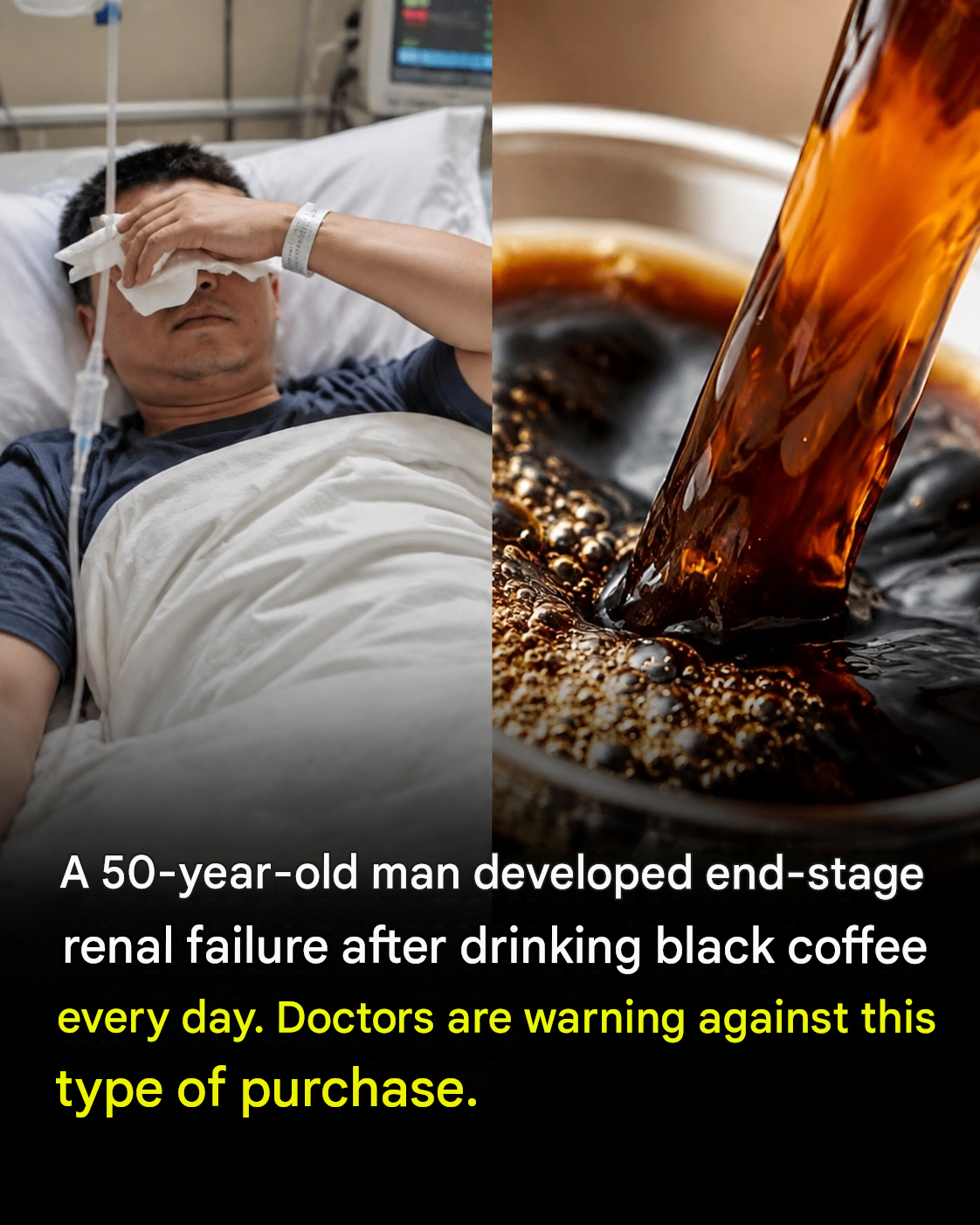
In the modern digital landscape, health warnings and sensational medical stories frequently spread across social media feeds. From dramatic headlines warning about everyday beverages to viral posts claiming that a specific habit led to severe organ damage, millions of users encounter alarming health claims daily. One such viral narrative features a 50-year-old man who allegedly developed end-stage renal failure after drinking black coffee every day, accompanied by warnings regarding specific types of purchases.
When evaluating stories concerning chronic conditions like renal failure, medical professionals emphasize the importance of looking past sensational hooks and examining evidence-based medicine. In this comprehensive guide, we will analyze the relationship between coffee consumption and kidney health, explore the true causes of renal decline, and discuss how proper medical consultations, health insurance planning, and lifestyle choices protect your long-term wellbeing.
Decoding the Viral Claim: Coffee and Renal Health
Coffee is one of the most widely consumed beverages in the world, enjoyed by millions for its energizing properties, antioxidants, and rich cultural traditions. For the vast majority of healthy adults, moderate coffee consumption does not cause end-stage renal failure. However, viral posts often conflate correlation with causation or misrepresent underlying medical conditions.
When a patient experiences renal failure, the root causes are typically multifaceted and severe. Let us examine the actual medical factors that contribute to chronic kidney disease:
- Chronic Hypertension: Long-term high blood pressure damages the delicate blood vessels within the kidneys, gradually reducing their ability to filter waste products effectively.
- Type 2 Diabetes: Unmanaged blood sugar levels place an excessive filtration burden on the kidneys, which is a leading global cause of renal decline.
- Genetic and Autoimmune Disorders: Conditions such as polycystic kidney disease or glomerulonephritis cause progressive structural damage independent of dietary beverage choices.
- Nephrotoxic Medications: Overuse or misuse of certain pharmaceutical drugs, contrast dyes, or unregulated herbal substances can severely impact kidney function.
The Role of Medical Guidance and Healthcare Services
When encountering alarming health warnings online, relying on internet posts for medical diagnosis is dangerous. Consulting qualified medical doctors, nephrologists, and healthcare specialists is essential for understanding your personal health metrics, such as glomerular filtration rate (GFR) and blood pressure levels.
Furthermore, managing chronic health conditions or undergoing specialized medical treatments requires careful financial preparation. Ensuring your health insurance policy covers diagnostic lab work, specialist consultations, and long-term care protects your household against unexpected medical expenses. If medical errors or defective products contribute to health complications, consulting legal services professionals can also help safeguard consumer rights.
Practical Tips for Maintaining Kidney Health
Supporting optimal kidney function does not require radical dietary restrictions for healthy individuals, but adopting consistent, health-conscious habits is vital:
1. Maintain Proper Hydration
Drinking adequate water throughout the day helps your kidneys flush out sodium, urea, and metabolic waste products efficiently.
2. Monitor Blood Pressure and Blood Sugar
Regularly check your blood pressure and glucose levels during routine physical examinations to catch potential risk factors early.
3. Use Medications Responsibly
Avoid chronic overuse of over-the-counter pain relievers and consult your physician before starting new supplements or intense dietary regimens.
Interesting Facts About Human Kidneys
- Remarkable Filtration Capacity: Every single day, the human kidneys filter approximately 150 quarts of blood, producing about one to two quarts of urine to eliminate waste.
- Redundancy in Design: A person can live a completely normal, healthy life with just a single functioning kidney, as one organ can adapt to handle the body’s full filtration demands.
- Blood Supply: Despite their relatively small size, the kidneys receive roughly twenty percent of the heart’s total blood output with every beat.
Conclusion
Sensationalized viral stories regarding everyday foods and beverages often create unnecessary panic. While coffee is a staple of daily life for millions, maintaining true renal health relies on understanding evidence-based medicine, managing core risk factors like blood pressure and diabetes, and seeking professional medical guidance. Stay informed, prioritize healthy lifestyle habits, and always consult qualified healthcare professionals regarding your medical concerns.
Frequently Asked Questions (FAQ)
Can drinking black coffee cause kidney failure?
For healthy individuals, moderate black coffee consumption does not cause kidney failure. End-stage renal disease is typically caused by long-term underlying conditions such as chronic high blood pressure, diabetes, or genetic disorders.
How much water should I drink daily to support my kidneys?
Water intake varies based on body weight, climate, and activity levels, but staying consistently hydrated helps your kidneys effectively filter waste from your bloodstream.
When should I consult a doctor about kidney health?
If you experience persistent fatigue, swelling in your ankles or feet, changes in urination frequency, or high blood pressure readings, you should schedule an appointment with a medical doctor for comprehensive lab testing and evaluation.
