
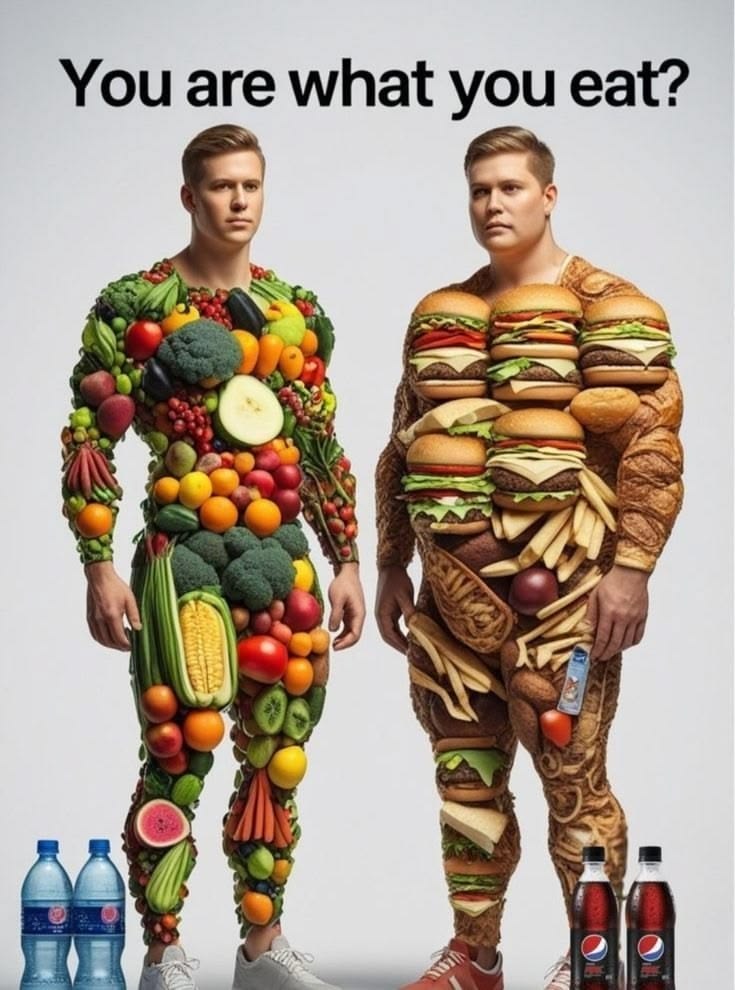
The popular saying “you are what you eat” has circulated for generations, capturing the public’s imagination regarding how diet shapes physical appearance, energy levels, and long-term health. When striking visual art or viral social media graphics illustrate this concept—such as a comparison between a person composed of fresh fruits and vegetables versus one made of fast food and burgers—it sparks widespread debate about nutrition and lifestyle choices.
For those looking to understand the real science behind dietary impact, examining how food fuels the body provides essential clarity. To explore this fully, we need to examine the role of macronutrients, the impact of processed foods, financial considerations for healthy eating, and practical tips for balanced nutrition.
Understanding Macronutrients, Metabolism, and Dietary Impact
Human metabolism relies on the foods we consume to provide energy, repair cells, and regulate vital physiological processes. Whole foods—such as fresh fruits, vegetables, lean proteins, and whole grains—supply essential micronutrients, vitamins, and antioxidants that support cellular function and protect against chronic inflammation.
In contrast, diets heavily reliant on ultra-processed foods, added sugars, and unhealthy fats can lead to metabolic dysfunction, weight gain, and an increased risk of cardiovascular disease over time. While the old saying is a biological simplification—since our bodies break down food into individual amino acids, glucose, and fatty acids rather than retaining the form of what we eat—the underlying message about nutritional quality remains profoundly true.
Key Factors in Dietary Health
- Nutrient Density: Whole, unprocessed foods provide vital vitamins and minerals necessary for optimal organ function and immune health.
- Processed Food Effects: Diets high in refined sugars and saturated fats often contribute to fatigue, weight gain, and long-term metabolic issues.
- Metabolic Processing: The human body digests food by breaking it down into basic molecular building blocks to fuel daily activity.
Financial, Legal, and Healthcare Planning for Nutritional Wellness
Maintaining a healthy diet involves navigating grocery budgets, food access, and nutritional education. While fresh produce and whole foods can sometimes require more deliberate financial planning and meal preparation, investing in quality nutrition is a cornerstone of preventative healthcare.
Furthermore, proactive health management—such as routine blood work and consultations with registered dietitians or primary care physicians—helps identify nutritional deficiencies early. Just as wholesome food fuels the body, structured financial and health planning secures long-term vitality.
Practical Tips for Improving Your Daily Nutrition
Incorporating healthier eating habits into a busy lifestyle involves simple, sustainable changes. Consider these practical tips:
- Fill half your plate with colorful fresh fruits and vegetables during meals to maximize your intake of essential vitamins and fiber.
- Choose whole grains, lean proteins, and healthy fats over processed convenience foods to sustain steady energy levels throughout the day.
- Stay properly hydrated by drinking plenty of water rather than sugary beverages or excessive amounts of soda.
- Plan your grocery shopping and meal preparation ahead of time to make healthy eating easier during busy weekdays.
- Consult a registered dietitian or healthcare professional if you need personalized guidance on managing your dietary intake and nutritional goals.
Interesting Facts About Nutrition and Human Digestion
- The human digestive system breaks down complex food structures into simple sugars, amino acids, and fatty acids that cells can utilize for energy.
- Eating a diverse array of plant-based foods supports a healthy gut microbiome, which plays a crucial role in digestion and immune defense.
- Ultra-processed foods are engineered to be hyper-palatable, often overriding natural satiety cues and leading to overeating.
- Water makes up roughly 60 percent of the adult human body, playing an essential role in every cellular and metabolic process.
- Nutritional science demonstrates that long-term health outcomes are driven by consistent dietary patterns rather than isolated meals.
Conclusion
The phrase “you are what you eat” may be a creative exaggeration, but its core message highlights a vital biological reality: the quality of our diet directly influences our health, energy, and physical well-being. By choosing nutrient-dense whole foods and minimizing ultra-processed items, we provide our bodies with the essential fuel needed to thrive. Embracing balanced nutrition is one of the most powerful steps toward lifelong vitality.
Frequently Asked Questions
Does what I eat really change my body?
Yes, the nutrients from your food provide the literal building blocks your body uses to maintain tissues, regulate hormones, and generate energy.
What are the main benefits of eating whole foods?
Whole foods provide essential vitamins, minerals, fiber, and antioxidants that support immune function and reduce the risk of chronic illness.
Why are ultra-processed foods considered unhealthy?
They are typically high in added sugars, sodium, and unhealthy fats while lacking the fiber and essential micronutrients found in whole foods.
How can I start eating healthier without a drastic lifestyle overhaul?
Begin by making small, manageable adjustments, such as adding an extra serving of vegetables to dinner or swapping sugary drinks for water.
