
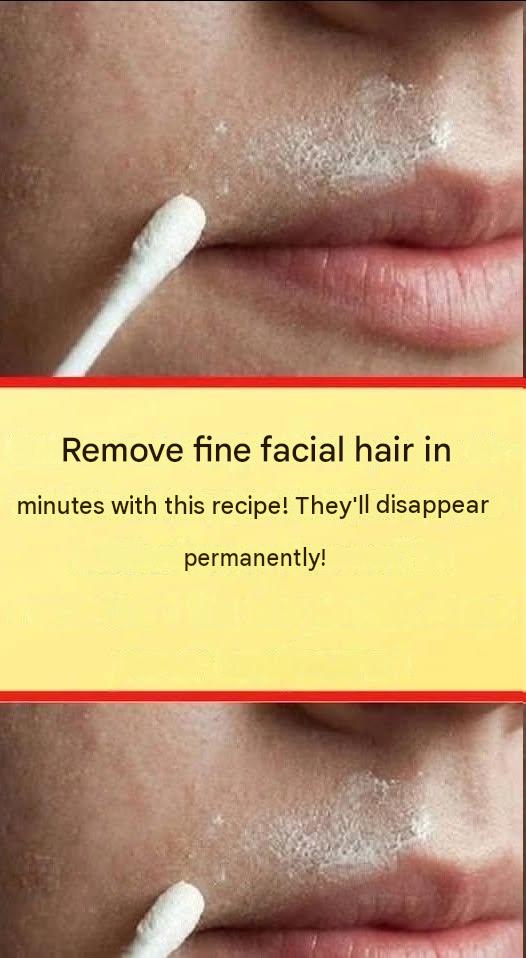
Social media feeds are frequently flooded with viral health and beauty trends promising miraculous transformation results with minimal effort. Across platforms, viral remedies regularly claim that simple kitchen pastes or topical mixtures can dissolve fine facial hair in minutes and make it disappear permanently.
While natural home remedies can offer mild surface physical exfoliation or temporary hair weakening, claims of instant, permanent hair removal through DIY paste recipes contradict biological reality. Understanding hair anatomy, evaluating home remedies safely, and knowing scientifically proven hair removal options is essential for protecting delicate facial skin.
This comprehensive guide explores the biology of facial hair, debunks viral “permanent” DIY hair removal claims, breaks down safe at-home and clinical hair removal techniques, and offers key insights into dermatology care, health insurance, and financial wellness.
1. Biology 101: Why Topical DIY Pastes Cannot Permanently Remove Hair
To evaluate claims about permanent hair removal, it is necessary to understand how human hair grows and what controls follicle activity.
1. Hair Anatomy: The Role of the Hair Follicle
Hair shaft creation occurs deep beneath the surface of the skin within the hair follicle. The hair follicle receives blood supply, nutrients, and hormonal signals from the dermal papilla.
- Surface vs. Root: Topical pastes, creams, or scrubs only interact with the visible hair shaft above or just at the skin’s surface.
- Permanent Destruction: For hair growth to stop permanently, the living stem cells inside the deep follicle structure must be destroyed physically or thermally (e.g., via clinical electrolysis or targeted laser energy). No topical kitchen ingredient can destroy deep dermal hair follicles without causing severe chemical burns to the skin.
2. Vellus Hair vs. Terminal Hair
- Vellus Hair (Peach Fuzz): Fine, translucent, short hair covering most of the face and body. It helps regulate body temperature and protects skin pores.
- Terminal Hair: Coarser, darker, thicker hair driven by androgen hormones (such as testosterone). Terminal facial hair often appears on the upper lip, chin, or jawline.
2. Examining Popular DIY Facial Hair Recipes
Viral recipes often promote mixing ingredients like turmeric, chickpea flour (besan), baking soda, toothpaste, or lemon juice to create hair removal pastes.
1. Chickpea Flour (Besan) and Milk/Yogurt
- How It Works: A thick paste of chickpea flour and liquid dries on the skin. When rubbed off gently against the direction of hair growth, it acts as a mechanical abrasive, pulling out loose vellus hairs and dead skin cells.
- The Reality: This provides temporary surface exfoliation and hair buffing. It does not disable the follicle, and hair will grow back normally.
2. Turmeric and Sugar Exfoliating Pastes
- How It Works: Turmeric contains natural anti-inflammatory antioxidants, while granulated sugar acts as a gentle physical scrub.
- The Reality: While great for skin brightening and smooth texture, turmeric cannot dissolve hair keratin or stop hair regrowth.
3. Dangerous Ingredients to Avoid on Facial Skin
- Toothpaste: Contains harsh abrasives, menthol, and alcohol that cause severe chemical irritation, contact dermatitis, and post-inflammatory hyperpigmentation (dark spots) on delicate facial skin.
- Baking Soda and Undiluted Lemon Juice: Highly alkaline or highly acidic mixtures disrupt the skin’s protective acid mantle barrier, leading to redness, flaking, and sensitivity.
3. Proven Methods for Safe Facial Hair Removal
For individuals wishing to manage facial hair, several safe, effective options range from temporary at-home care to permanent clinical treatments.
At-Home Methods (Temporary Results)
- Dermaplaning / Facial Shaving: Using a clean, single-blade facial razor to gently shave vellus hair and dead skin off the surface. Myth Debunked: Shaving does not make hair grow back thicker or darker; cut hair simply feels blunt as it initially emerges.
- Threading and Waxing: Pulls hair from the root, leaving skin smooth for 2 to 4 weeks. Can cause temporary redness or ingrown hairs if proper post-care isn’t followed.
- Depilatory Creams: Formulated chemical creams break down protein bonds (keratin) in the hair. Must be patch-tested carefully to prevent chemical irritation on facial skin.
Clinical Methods (Long-Term to Permanent Results)
- Electrolysis: The only FDA-approved method for 100% permanent hair removal. A fine probe delivers electrical current directly into each individual hair follicle to destroy growth cells permanently. Safe for all skin tones and hair colors.
- Laser Hair Removal: Uses concentrated light energy absorbed by hair pigment (melanin) to damage follicles and reduce growth significantly over multiple sessions. Works best on dark terminal hairs.
4. When to Consult a Dermatologist or Endocrinologist
Excessive or sudden terminal facial hair growth in women (known medically as hirsutism) can sometimes indicate underlying hormonal imbalances.
Polycystic Ovary Syndrome (PCOS) and Hormones
- Hormonal Triggers: Conditions such as Polycystic Ovary Syndrome (PCOS), adrenal gland disorders, or hormonal shifts during menopause elevate circulating androgens, causing fine vellus hairs to convert into dark, coarse terminal hairs.
- Medical Management: Treating the underlying hormonal imbalance through prescribed medications (such as anti-androgens or oral contraceptives) or topical prescription creams (like eflornithine) addresses the root cause far more effectively than cosmetic removal alone.
5. Preventive Care, Health Insurance, and Financial Protection
Navigating skincare, dermatological conditions, and hormonal health involves understanding healthcare benefits and financial considerations.
Leveraging Health Coverage for Skin and Hormonal Health
- Diagnostic Endocrine Testing: If facial hair growth is accompanied by irregular menstrual cycles, adult acne, or hair thinning, consult a primary care doctor. Diagnostic blood tests and hormone panels are widely covered under standard health insurance plans.
- Preventive Care Benefits: Utilizing annual wellness visits and routine specialist referrals through health insurance ensures timely diagnosis of metabolic and endocrine conditions.
- Cosmetic vs. Medical Treatments: While purely cosmetic hair removal (like laser or waxing) is typically out-of-pocket, medical management of underlying conditions like PCOS falls under standard covered healthcare services.
6. Fascinating Facts About Hair and Skincare
- Keratin Structure: Hair shafts consist primarily of keratin, a fibrous protein made up of strong disulfide bonds—the same tough protein that forms human fingernails.
- Daily Hair Cycles: Facial hair goes through continuous growth cycles: anagen (growth phase), catagen (transitional phase), and telogen (resting/shedding phase).
- The “Thicker Regrowth” Illusion: Shaving cuts hair at a blunt angle across the thicker middle of the shaft, making emerging stubble feel coarse, even though the hair’s actual diameter remains unchanged.
- Natural Pore Barrier: Vellus hair serves a key physiological purpose by aiding in the distribution of natural sebum (oil) across the face to maintain skin hydration.
7. Frequently Asked Questions (FAQ)
Can any home remedy permanently stop facial hair growth?
No home remedy, paste, or natural mixture can permanently stop hair growth. Permanent removal requires destroying the hair follicle growth cells via professional electrolysis or laser treatments.
Will shaving my facial hair make it grow back darker or coarser?
No. Shaving cuts the hair at the surface without affecting the hair follicle or internal matrix responsible for color and thickness.
What is the safest way to remove peach fuzz at home?
Gentle dermaplaning using a clean, sharp facial razor paired with a light facial oil or cleanser is one of the safest and most effective ways to remove peach fuzz at home.
Why do some women develop thicker chin hairs as they age?
As estrogen levels naturally decline with age and menopause, the ratio of circulating androgen hormones increases, which can stimulate individual facial hair follicles to produce darker, coarser terminal hairs.
Conclusion: Embrace Safe, Science-Backed Skincare
While viral DIY recipes promise instant, permanent fixes for facial hair, scientific reality confirms that natural pastes only offer mild surface exfoliation at best. Relying on aggressive or unverified ingredients risks damaging your skin barrier and causing unwanted irritation.
By adopting gentle, proven hair removal techniques and consulting medical specialists to address hormonal health, you can achieve smooth skin safely while protecting your long-term skin health and confidence.
