
Introduction
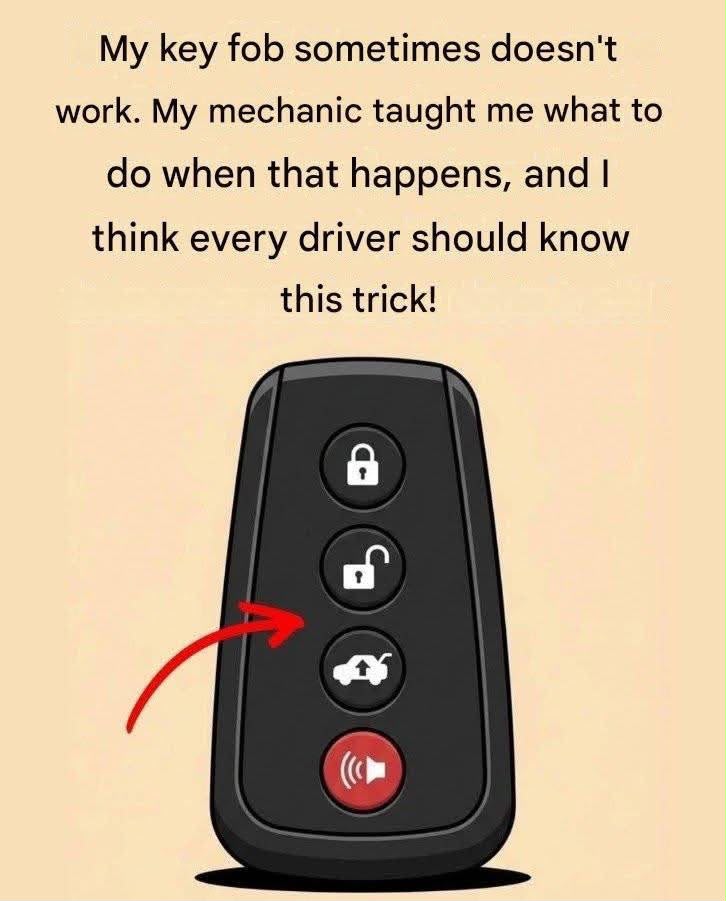
In the digital era, viral social media posts frequently feature surprising automotive tips that capture the attention of everyday drivers. When a user scrolls through their Facebook feed and encounters an image discussing a clever trick for when a key fob stops working, comment sections instantly ignite with curiosity, debate, and questions. Why do some key fobs fail, and what secret methods do mechanics use to solve the problem?
While modern vehicles offer incredible convenience with keyless entry and push-button ignition, electronic malfunctions can occasionally leave drivers stranded. Beyond serving as casual internet entertainment, practical automotive tips tap into our desire for quick, effective solutions to everyday mechanical annoyances. Whether drivers are looking for ways to handle a weak key fob battery, troubleshoot remote signals, or maintain their vehicles, practical advice drives massive organic engagement online.
However, understanding automotive maintenance and troubleshooting has real-world importance. In professional sectors such as automotive repair, fleet management, transportation, and vehicle security, addressing electronic issues efficiently is crucial. Whether a certified mechanic is diagnosing a signal interruption, a fleet manager is maintaining company vehicles, or a driver is troubleshooting an emergency, practical knowledge matters. In this comprehensive guide, we will explore the common reasons behind key fob failures, examine clever emergency workarounds, and discuss how smart maintenance practices benefit vehicle owners.
The Secret Behind Key Fob Troubleshooting
When vehicle owners encounter key fob issues—such as unresponsive lock and unlock buttons or failing proximity sensors—there are several standard technical reasons and emergency solutions.
Common Causes of Key Fob Malfunctions
- Drained or Weak Batteries: Over time, the internal coin-cell battery inside a remote loses charge, weakening the radio frequency signal.
- Signal Interference: Radio frequency interference from nearby electronic devices, security systems, or cell towers can temporarily block the fob’s communication with the car.
- Internal Mechanical Backup: Most modern key fobs contain a hidden physical metal key tucked inside the casing, allowing drivers to manually unlock doors if the electronic system completely fails. Furthermore, holding a weak fob directly against the start button or steering column allows the vehicle’s transponder coil to detect the chip even with a dead battery.
Why Automotive Hacks Go Viral
Posts presenting relatable driving dilemmas naturally thrive on social media because they invite viewers to share experiences and learn new tricks. Once someone shares a mechanic’s secret workaround, readers experience a “lightbulb moment,” leading to high shares, comments, and engagement.
Professional Applications in Automotive Repair and Fleet Management
While a key fob troubleshooting trick is a handy personal example, automotive electronics and security systems are essential across professional industries.
Automotive Repair and Diagnostics
Certified technicians and auto repair specialists use specialized diagnostic tools to reprogram key fobs, test radio frequencies, and replace internal vehicle control modules. Staying updated on electronic advancements ensures reliable service for modern vehicle owners.
Fleet Management and Transportation
Companies managing commercial vehicle fleets rely on secure, functional access systems to maintain daily operations and security. Preventative maintenance on electronic keys prevents costly delays.
Practical Tips for Vehicle Maintenance and Key Fob Care
If you want to keep your key fobs working reliably while avoiding unexpected lockouts, incorporating a few simple strategies can help:
- Replace Batteries Proactively: Swap out your key fob battery every 1 to 2 years to prevent sudden failures.
- Know Your Physical Key: Locate the hidden physical key inside your fob and practice using the manual door lock so you are prepared for emergencies.
- Keep Fobs Away From Moisture: Protect electronic fobs from water damage and heavy drops that can crack internal circuitry.
- Consult Professionals: If reprogramming or persistent electrical issues occur, visit a trusted mechanic or dealership for expert assistance.
Interesting Facts About Keyless Entry Technology
- Historical Origins: The first remote keyless entry systems appeared on production cars in the early 1980s, transforming vehicle security and convenience.
- Social Media Algorithms: Content that presents a relatable driving mystery with a clever, practical solution consistently ranks high in algorithmic preference due to high comment engagement.
- Advanced Transponders: Modern key fobs communicate via encrypted rolling codes to prevent vehicle theft, making them miniature computers in your pocket.
Conclusion
Unconventional automotive hacks and key fob tricks are fascinating examples of practical problem-solving in everyday life. Whether used to troubleshoot a weak battery or uncover a hidden backup method, these clever tips showcase modern vehicle resourcefulness. By understanding the technology behind our cars—and maintaining our keys with care—we ensure smooth, stress-free travel. Keep exploring smart life hacks, stay curious, and enjoy discovering new ways to simplify your daily commute!
FAQ Section
What should you do if your key fob suddenly stops working?
If your key fob stops working, you can check the internal battery, use the hidden mechanical emergency key to unlock the door, or hold the fob directly against the start button to trigger the transponder coil.
Why do key fob batteries die unexpectedly?
Constant signal transmission, temperature fluctuations, and normal wear over time drain the small coin-cell batteries housed inside remote fobs.
How can drivers prevent vehicle lockouts caused by key fobs?
Proactively replacing key fob batteries every couple of years and knowing how to access the manual physical key ensures you are never locked out of your vehicle.
