
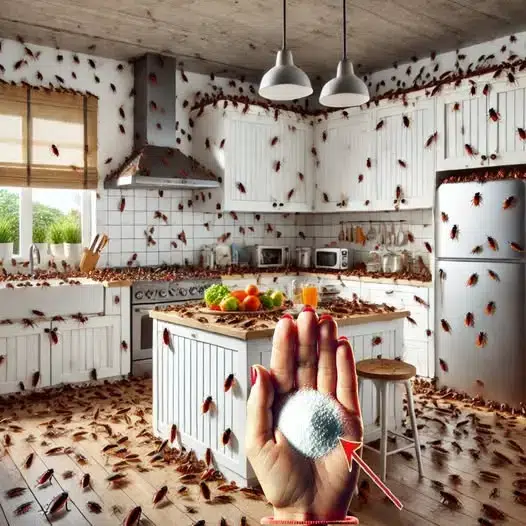
Discovering household pests inside your living space—especially in places where you prepare food—can feel overwhelming. From kitchen counters and floorboards to cabinets and appliances, unwanted bugs present real challenges for homeowners and renters alike. While commercial sprays and chemical extermination methods have long been the traditional solution, an increasing number of households are seeking non-toxic, eco-friendly, and cost-effective natural alternatives.
Protecting your home from insects doesn’t require harsh chemicals, strong odors, or risky synthetic compounds. By understanding insect behavior, leveraging natural pantry ingredients, maintaining proper home hygiene, and securing your property’s perimeter, you can create an environment where pests simply cannot thrive. In this comprehensive guide, we will explore effective natural remedies, preventive maintenance, health and insurance considerations, and practical steps to keep your home pest-free year-round.
1. Why Choose Natural Pest Control Over Chemical Sprays?
Traditional insecticides often contain synthetic chemicals, organophosphates, or pyrethroids designed to eliminate bugs on contact. While these chemical solutions can be potent, they come with noticeable drawbacks, particularly when used frequently in indoor environments like kitchens, dining areas, and bedrooms.
- Family and Pet Safety: Young children and household pets spend considerable time playing on floors and touching surfaces where chemical sprays linger. Natural solutions greatly reduce accidental exposure to synthetic toxins.
- Indoor Air Quality: Chemical foggers and spray aerosols emit volatile organic compounds (VOCs) that can remain suspended in indoor air, causing respiratory irritation or triggering asthma symptoms.
- Environmental Protection: Chemical run-off from outdoor pest treatments can easily enter storm drains, soil, and local waterways, adversely affecting beneficial insects such as bees, ladybugs, and aquatic wildlife.
- Cost Efficiency: Natural solutions rely on inexpensive household staples like baking soda, white vinegar, essential oils, and salt, saving families money on costly chemical brand purchases.
2. Common Kitchen Staples That Deter Household Bugs
Many effective natural bug repellents are sitting in standard kitchen cabinets. Here is how simple pantry items work to keep unwanted pests at bay:
+-------------------------------------------------------------------+
|               Natural Pest Repellent Action Matrix                |
+-------------------------------------------------------------------+
                                  |
            +---------------------+---------------------+
            |                                           |
            v                                           v
+-----------------------+                   +-----------------------+
|  Desiccating Agents   |                   |  Scent-Based Barriers |
| (Baking Soda, Salt,   |                   | (Essential Oils, Peppermint,|
|  Diatomaceous Earth)  |                   |  Vinegar, Citrus Peels) |
+-----------------------+                   +-----------------------+
            |                                           |
            v                                           v
+-----------------------+                   +-----------------------+
| Disrupts pest moisture|                   | Masks food odors and  |
|  levels naturally.    |                   | repels entry at doors.|
+-----------------------+                   +-----------------------+
Baking Soda and Sugar Combinations
Baking soda (sodium bicarbonate) is a non-toxic household staple. When combined with equal parts powdered sugar or grain flour, it acts as an effective bait for scavenging insects. The sugar attracts the bugs, while the baking soda disrupts their internal digestive balances, eliminating them naturally without leaving dangerous residue on kitchen counters.
Essential Oils: Peppermint, Tea Tree, and Eucalyptus
Insects rely heavily on olfactory receptors to navigate, locate food sources, and detect pheromone trails left by other members of their colony. High-concentration essential oils mask food odors and disrupt pest scent trails:
- Peppermint Oil: Highly effective at repelling spiders, ants, and mice. Mixing 10-15 drops of pure peppermint oil with warm water and spraying it around window sills creates a fragrant natural barrier.
- Tea Tree & Eucalyptus Oil: Ideal for spraying near pantry doors, baseboards, and trash can lids to deter crawling insects.
- Citrus & Clove: Citrus peels and clove oils contain d-limonene and eugenol, compound odors that insects active in warm weather naturally avoid.
3. Comparing Chemical vs. Natural Pest Control Methods
| Method Type | Primary Active Ingredients | Safety for Children & Pets | Environmental Impact | Average Cost | Long-Term Effectiveness |
| Baking Soda & Sugar Mix | Sodium Bicarbonate, Sugar | High | Non-toxic / Zero Impact | Very Low | High with routine application |
| Diatomaceous Earth | Amorphous Silica | High (Food grade) | Natural Mineral | Low | Excellent when kept dry |
| Essential Oil Sprays | Peppermint, Eucalyptus | Moderate to High | Biodegradable | Low to Moderate | Requires periodic reapplication |
| Chemical Insecticides | Cypermethrin, Permethrin | Low (Requires isolation) | Potential toxic runoff | High | Immediate, but insects build resistance |
| Commercial Bait Traps | Fipronil, Hydramethylnon | Low to Moderate | Waste disposal concerns | Moderate | High initial knockout rate |
4. Deep Cleaning and Home Hygiene: The First Line of Defense
No pest treatment—whether natural or chemical—will succeed long-term if underlying attractants remain unaddressed. Bugs enter living spaces primarily in search of food, water, and sheltered nesting grounds. Eliminating these three factors creates an environment where pests cannot survive.
Eliminating Hidden Moisture Sources
Insects require moisture to survive. Leaky pipes beneath kitchen sinks, condensation around refrigerators, standing water in dish drainers, and damp sponge holders are major attractants:
- Promptly repair leaking faucets and dripping drainage pipes under cabinets.
- Wipe down sinks, counters, and dish racks thoroughly before going to bed.
- Ensure crawlspaces and basements maintain proper airflow to reduce ambient humidity.
Food Storage Practices
Open food packages in pantries are an open invitation for pests. Transitioning pantry staples to airtight glass, heavy-duty plastic, or metal storage containers is essential:
- Store flour, sugar, cereal, pasta, and pet food in sealed containers.
- Sweep kitchen floors daily to eliminate fallen food crumbs and grease splatters.
- Keep trash cans tightly closed with fitted lids and empty garbage daily.
5. Home Maintenance and Structural Sealing
Keeping insects out of your kitchen requires securing entry points around the exterior and interior perimeter of your property.
       +-------------------------------------------------------+
       |             Structural Home Protection               |
       +-------------------------------------------------------+
                                  |
                                  v
       +-------------------------------------------------------+
       |   Inspect Perimeter (Windows, Doors, Utility Lines)   |
       +-------------------------------------------------------+
                                  |
            +---------------------+---------------------+
            |                                           |
            v                                           v
+-----------------------+                   +-----------------------+
|  Seal Gaps & Cracks   |                   | Upgrade Door Sweeps   |
|  (Silicone Caulk)     |                   | & Window Mesh Screens |
+-----------------------+                   +-----------------------+
            |                                           |
            v                                           v
+-----------------------+                   +-----------------------+
| Blocks Physical Entry |                   | Ensures Proper Air    |
| Points For All Pests  |                   | Ventilation Without   |
|                       |                   | Insect Intrusion      |
+-----------------------+                   +-----------------------+
Sealing Gaps and Cracks
Small insects can squeeze through incredibly tiny openings. Regularly inspect your home for entry points:
- Silicone Caulk: Use high-grade silicone caulk to seal gaps along kitchen baseboards, tile backsplashes, pipe penetrations under sinks, and cabinet openings.
- Weather Stripping: Install or replace worn weather stripping along exterior door frames and window sills.
- Door Sweeps: Attach heavy-duty door sweeps to exterior doors to seal the gap between the door bottom and the threshold.
6. Financial, Legal, and Property Value Considerations
Managing household pests is closely linked to property values, real estate investments, home maintenance costs, and home insurance considerations.
Property Values and Tenant Protections
For homeowners, landlord investors, and property managers, maintaining a pest-free property is critical for protecting overall structural integrity and market valuation:
- Tenant Rights & Lease Agreements: Many local housing regulations specify that landlords must provide habitable living conditions free of major infestations. Utilizing safe, natural pest prevention methods protects property managers while ensuring tenant health and safety.
- Property Inspections: Unmanaged infestations can lead to structural damage (particularly with wood-boring pests) or soiled building materials, negatively affecting professional home appraisals during home sales or refinance applications.
Homeowner Insurance and Preventive Maintenance
It is worth noting that standard homeowner insurance policies typically exclude damage caused by ongoing pest infestations, viewing pest management as routine property maintenance. Investing modest time and resources into low-cost natural preventive remedies protects homeowners from uninsurable out-of-pocket repair costs down the road.
7. Step-by-Step DIY Recipe: Natural Insect Prevention Spray
Creating your own non-toxic, multi-surface natural spray at home takes less than five minutes and costs pennies per application.
Ingredients Needed:
- 1 cup distilled white vinegar
- 1 cup clean water
- 15 drops pure peppermint essential oil
- 10 drops tea tree essential oil
- 1 teaspoon gentle dish soap (acts as an emulsifier)
Instructions:
- Combine the distilled white vinegar and clean water in a clean spray bottle.
- Add the peppermint essential oil and tea tree essential oil.
- Add one teaspoon of gentle liquid dish soap to help oil and water mix evenly.
- Shake the bottle thoroughly before each use.
- Spray along kitchen baseboards, window ledges, under sink cabinets, and near trash receptacles.
- Wipe down surfaces with a clean microfiber cloth.
8. Fascinating Facts About Household Insects and Prevention
- Pheromone Navigation: Ants lay down invisible chemical scent trails as they walk so other colony members can follow them directly to food. Wiping counters with dilute vinegar breaks these trails instantly.
- Resilience of Crawling Pests: Insects can survive for weeks without solid food, but most cannot go more than a few days without access to water—making moisture control your single most powerful pest prevention tool.
- Natural Repellents in Nature: Plants produce essential oils like peppermint, lavender, and citronella specifically as natural defense mechanisms against leaf-eating insects.
- Diatomaceous Earth Mechanism: Food-grade diatomaceous earth consists of fossilized aquatic organisms. To humans and pets, it feels like soft powder, but to tiny insects, it absorbs protective oils from their outer shells naturally.
9. Frequently Asked Questions (FAQ)
Are natural bug remedies safe to use around dogs and cats?
Most natural remedies like baking soda, food-grade diatomaceous earth, and diluted white vinegar are very safe around pets. However, certain concentrated essential oils (like tea tree or citrus oils) can be sensitive to cats and dogs if ingested directly. Always keep essential oils properly diluted and out of reach of pets.
How often should I apply natural pest sprays?
Because natural essential oil sprays evaporate faster than harsh chemical sprays, reapply them once or twice a week, or immediately after deep-cleaning your kitchen surfaces.
Can baking soda really help clear insects from a kitchen?
Yes. When mixed with a food attractant like powdered sugar, baking soda acts naturally when ingested by insects, disrupting their internal systems without off-gassing harmful chemicals in your kitchen.
What is food-grade Diatomaceous Earth, and how does it work?
Food-grade Diatomaceous Earth (DE) is a naturally occurring powder made from fossilized algae. When dusted thinly along baseboards and behind appliances, it clings to crawling insects and dries out their outer exoskeletons naturally.
Will natural remedies work if I already have a major infestation?
For minor to moderate pest concerns, natural methods and thorough home hygiene are often sufficient. If an infestation is widespread across structural walls or building units, combining natural exclusion methods with professional eco-friendly extermination services may be necessary to fully resolve the issue.
Conclusion: A Cleaner, Safer, Chemical-Free Home Environment
Maintaining a clean, comfortable, bug-free home doesn’t require filling your living quarters with toxic chemicals or expensive synthetic sprays. By combining daily cleanliness practices, sealing exterior access points, controlling household moisture, and leveraging proven natural remedies like baking soda, vinegar, and essential oils, you can protect your kitchen and family naturally.
Start implementing these simple, budget-friendly strategies today to safeguard your home, save on household expenses, and enjoy total peace of mind in a healthier, chemical-free living space!
