
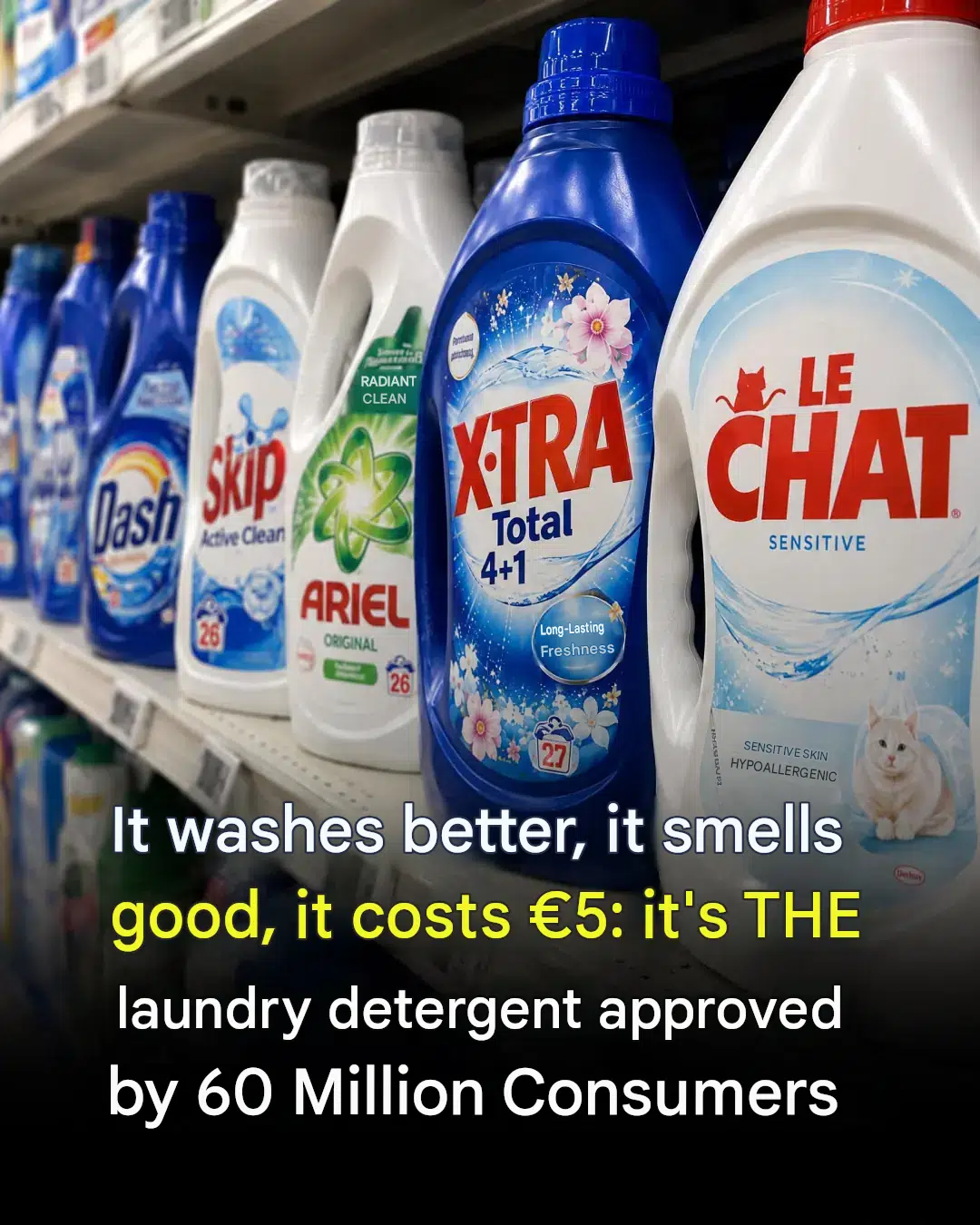
Doing laundry is one of the most routine household chores, yet it plays a massive role in our daily comfort, hygiene, and the longevity of our wardrobe. When walking down the supermarket detergent aisle, consumers are met with an overwhelming wall of colorful bottles, powder boxes, pods, and scent options. From heavy-duty stain removal and long-lasting freshness to hypoallergenic formulas tailored for sensitive skin, finding the right laundry detergent can feel like a complex puzzle.
Recently, consumer watchdog groups and testing organizations—such as France’s famous 60 Millions de Consommateurs—have put popular laundry detergents under the microscope, evaluating their cleaning efficacy, environmental safety, chemical composition, and price-to-performance ratio. The findings often reveal that budget-friendly detergents frequently outperform expensive luxury brands, proving that effective cleaning does not have to break the bank.
In this comprehensive guide, we will explore the science of laundry detergents, examine how to choose the right formula for your clothing, discuss how laundry care intersects with household budgeting, and provide practical tips for keeping your clothes looking and smelling fresh.
The Science of How Laundry Detergents Work
To understand why certain laundry detergents clean better than others, it helps to examine their chemical composition and how they interact with fabrics and stains.
Surfactants: The Core Cleaning Agents
At the heart of every liquid and powder detergent are molecules known as surfactants (surface-active agents). A surfactant molecule has a unique dual nature:
- Hydrophilic Head: Attracts and binds to water.
- Lipophilic Tail: Attracts and binds to oils, greases, and organic dirt.
When you wash clothes, surfactants surround greasy stains, lifting them off fabric fibers and suspending them in the wash water so they can be rinsed down the drain.
Enzymes for Specialized Stain Removal
Modern high-performance detergents incorporate specialized biological enzymes to target specific types of stains:
- Proteases: Break down protein-based stains such as blood, grass, sweat, and food.
- Amylases: Target starches found in foods like pasta, gravy, and baby food.
- Lipases: Dissolve fats, oils, and grease stains.
Key Factors to Consider When Choosing a Laundry Detergent
With so many options available, selecting the right detergent depends on several key practical and physiological factors:
1. Skin Sensitivity and Hypoallergenic Formulas
Traditional detergents often contain synthetic fragrances, optical brighteners, and harsh chemical preservatives that can trigger contact dermatitis, eczema, or skin irritation. If you or members of your household have sensitive skin, choosing a hypoallergenic, fragrance-free, or dermatologically tested detergent is crucial.
2. Water Hardness and Washing Temperatures
The mineral content of your tap water (hard vs. soft water) affects how well detergents lather and clean. Hard water contains high levels of calcium and magnesium, which bind to soap molecules and reduce cleaning power. Many quality detergents include water-softening agents to counteract this effect. Additionally, while cold-water washing saves energy, certain stains require warm water to dissolve effectively.
3. Price-to-Performance Value
Consumer testing reports consistently show that higher price tags do not automatically guarantee superior cleaning performance. Evaluating cost-per-load metrics helps households secure maximum cleaning power while staying within budget.
+------------------------------------+---------------------------------------+
| Detergent Feature Focus            | Primary Benefit to Consumer           |
+------------------------------------+---------------------------------------+
| High-Performance Surfactants       | Superior grease and dirt lifting      |
| Specialized Enzymes                | Effective breakdown of protein stains |
| Hypoallergenic Formulas            | Protects sensitive skin & reduces rash|
| Cost-Per-Load Value                | Maximizes cleaning power on a budget  |
+------------------------------------+---------------------------------------+
Household Budgeting, Finance, and Smart Shopping
Managing household expenses involves balancing quality and cost across every category—from groceries and utilities to cleaning supplies and laundry care.
1. Smart Grocery and Household Shopping
Purchasing household essentials based on independent consumer testing data rather than marketing hype is a smart way to optimize your family budget. Buying highly rated, mid-priced detergents ensures you get top-tier cleaning performance without paying extra for celebrity endorsements or fancy packaging.
2. Utilizing Financial Savings for Long-Term Goals
Saving money on routine household consumables frees up financial resources for other priorities, such as building emergency funds, investing in retirement accounts, or managing household insurance policies and utility expenses.
Practical Tips for Getting the Cleanest Laundry
To maximize the effectiveness of your laundry detergent and keep your garments vibrant and fresh, follow these practical washing habits:
Do Not Overdose on Detergent
A common misconception is that using more detergent makes clothes cleaner. In reality, using too much detergent leaves a sticky soap residue on fabric fibers, which traps dirt, dulls colors, and can build up inside your washing machine. Always follow the manufacturer’s dosage instructions.
Sort Clothes Properly
Separate your laundry by color (whites, darks, and brights) and fabric weight. Washing heavy towels with delicate garments can cause friction damage and pilling.
Treat Stains Promptly
For tough stains like grease, ink, or wine, pretreat the fabric with a small amount of concentrated detergent or stain remover before tossing the item into the washing machine.
Fascinating Facts About the History of Laundry
- Ancient Soap Making: The earliest recorded evidence of soap-like cleansing materials dates back to ancient Babylon around 2800 BCE, made by boiling animal fats with wood ashes.
- The Evolution of Synthetic Detergents: Synthetic laundry detergents were developed primarily during World War I and World War II due to severe shortages of natural animal and plant fats used in traditional soap production.
- Cold Water Innovation: Modern enzyme technologies allow today’s laundry detergents to clean clothes effectively in cold water (as low as 20°C to 30°C), significantly reducing household energy consumption.
Frequently Asked Questions (FAQ)
Are expensive laundry detergents always better than cheaper brands?
No, independent consumer testing organizations frequently find that affordable mid-priced or store-brand detergents clean clothes just as well—or even better—than expensive luxury brands.
How much laundry detergent should I use per load?
Always follow the measuring guidelines on the detergent bottle or cap. Using too much detergent does not clean clothes better; it leaves residue on fabrics and builds up inside your washing machine.
Is liquid detergent better than powder?
Liquid detergents dissolve instantly in cold water and excel at penetrating oil and grease stains, while powders are often very effective for whitening white cottons in warm water. Choose based on your washing habits.
What causes clothes to smell musty after washing?
Musty odors usually stem from mildew and bacteria buildup inside the washing machine drum or leaving damp clothes sitting in the washer too long. Running a monthly cleaning cycle with vinegar or bleach solves this issue.
How can I protect sensitive skin from laundry irritants?
Switch to a dermatologist-tested, hypoallergenic, fragrance-free detergent and run an extra rinse cycle to ensure all soap residue is thoroughly washed out of your clothes.
Conclusion
Choosing the right laundry detergent doesn’t have to be a guessing game. By relying on independent consumer testing data, understanding the role of surfactants and enzymes, and balancing cost-per-load value, you can keep your wardrobe impeccably clean, fresh, and vibrant without overspending.
Combine smart shopping habits with proper dosing, sorting, and washing techniques to make your laundry routine efficient, economical, and effortless!
