
Introduction
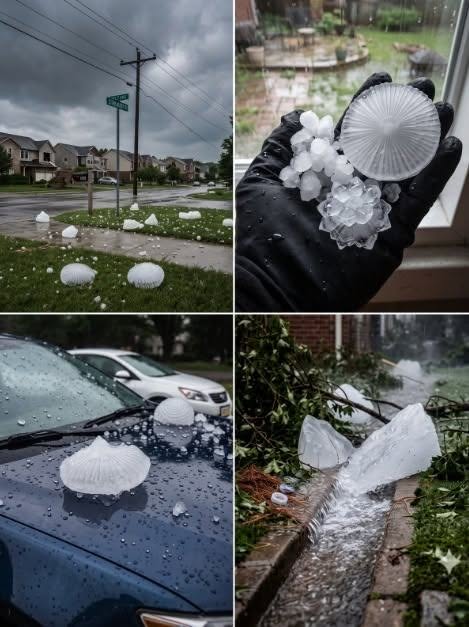
Severe weather events have become an increasingly prominent part of our daily lives, testing the resilience of communities, infrastructure, and financial plans. When unexpected storms strike—bringing torrential rain, high-winds, and massive, bizarre ice formations—the aftermath can be overwhelming. Beyond the immediate shock of nature’s fury lies a complex web of logistical challenges, structural damage, and financial considerations. Whether you are dealing with property repairs, insurance claims, or the long-term investment required to safeguard your home, understanding how to navigate severe weather is essential for every homeowner and family.
As we look deeper into the dynamics of severe weather preparedness, it becomes clear that physical safety is only the first step. Financial readiness, legal awareness, and smart investment strategies play a critical role in how quickly a household can recover from a catastrophic natural event. In this comprehensive guide, we will explore the multifaceted nature of storm preparedness, how to protect your assets, and why proactive planning is your best defense against the unpredictable nature of our environment.
Understanding Severe Weather and Its Impact on Infrastructure
Severe weather doesn’t just disrupt our afternoon plans; it poses a direct threat to our homes, vehicles, and local infrastructure. When massive storms hit, the sheer force of falling debris, high winds, and unusual precipitation can cause extensive structural compromise.
The Vulnerability of Modern Housing
Modern residential areas are built to withstand standard weather patterns, but extreme anomalies can push building materials past their breaking point. Roofs, siding, and windows are often the first line of defense. When these fail, interior water damage can follow swiftly, leading to costly remediation processes.
Protecting Your Vehicles and Personal Property
Vehicles parked outside are particularly vulnerable during intense hailstorms or wind events. Comprehensive insurance coverage often becomes a vital safety net for vehicle owners. Evaluating your policy before disaster strikes ensures that you are not left facing thousands of dollars in out-of-pocket repair costs.
Financial Planning and Insurance: Safeguarding Your Investment
When disaster strikes, your financial portfolio and insurance policies will face the ultimate test. Navigating the claims process requires a clear understanding of your coverage limits, deductibles, and policy exclusions.
Navigating Insurance Claims After a Storm
After a severe weather event, filing an insurance claim promptly is crucial. Documenting every piece of damage with clear photographs and detailed notes can significantly streamline the evaluation process.
- Review Your Policy Regularly: Ensure your homeowner’s insurance covers specific regional risks, such as windstorms, hail, or localized flooding.
- Work with Licensed Professionals: If your claim faces resistance or complications, consulting with a legal professional or a public adjuster can help protect your rights.
- Keep Detailed Records: Maintain receipts for any emergency repairs, temporary housing, or mitigation efforts.
Investment and Retirement Security
Unexpected property damage can derail long-term financial goals if emergency funds are lacking. Maintaining a robust emergency savings account—ideally covering three to six months of living expenses—acts as a financial buffer against sudden, unbudgeted home repairs. Integrating property protection into your broader investment and retirement planning ensures that a single natural disaster does not jeopardize your financial future.
Practical Tips for Immediate Storm Recovery
When the skies clear and the extent of the damage becomes visible, taking immediate, methodical steps can prevent further loss and accelerate the recovery process.
- Prioritize Safety First: Always check for downed power lines, structural instability, or gas leaks before inspecting your property.
- Document Everything: Take high-resolution photos and videos of all damaged areas, including roofs, vehicles, landscaping, and broken windows, before beginning any cleanup.
- Mitigate Further Damage: Use tarps to cover broken windows or compromised roof sections to prevent secondary water damage while waiting for professional contractors.
- Consult Legal and Financial Advisors: For major structural losses, speaking with a legal services expert or financial planner can help you navigate complex mortgage or loan adjustments.
Interesting Facts About Severe Weather Phenomena
Severe weather has fascinated scientists and meteorologists for centuries. Here are a few remarkable insights into how extreme storms operate:
- The Physics of Large Hail: Hailstones grow by being suspended in updrafts within a thunderstorm cloud, collecting supercooled water droplets layer by layer before finally becoming too heavy to remain aloft.
- Economic Impact: Severe convective storms account for a massive percentage of annual insured property losses globally, surpassing many other types of natural disasters in cumulative economic impact.
- Technological Advancements: Modern Doppler radar and satellite monitoring have drastically improved early warning systems, giving communities critical minutes to seek shelter before severe weather hits.
Conclusion
Severe weather is an unpredictable force of nature, but the way we respond to it is entirely within our control. By combining proactive property maintenance, comprehensive insurance coverage, and sound financial planning, you can shield your household from the worst-case scenarios. Preparation is not merely about physical survival; it is about building long-term resilience so that you can bounce back quickly when the unexpected happens. Stay informed, review your policies regularly, and take the necessary steps today to secure your peace of mind for tomorrow.
Frequently Asked Questions (FAQ)
1. What should I do immediately after my home is damaged by severe weather?
First, ensure that your family is safe and clear of immediate hazards like downed power lines. Once it is safe, document all damage thoroughly with photos and contact your insurance provider to initiate the claims process.
2. Does standard homeowner’s insurance cover all types of storm damage?
Not always. While wind and hail damage are typically included, specific exclusions may apply, particularly regarding flooding or earthquakes. It is vital to review your policy documents or speak with your insurance agent to understand your exact coverage.
3. How can I protect my vehicle from severe hail?
If a severe storm warning is issued, parking your vehicle inside a garage or under a sturdy carport is the best defense. If covered parking is not available, specialized hail blankets or heavy padding can help absorb the impact.
4. Why is an emergency fund important for storm preparedness?
Insurance deductibles and immediate out-of-pocket expenses—such as temporary lodging or emergency repairs—require immediate liquidity. Having a dedicated emergency fund prevents you from having to rely on high-interest credit cards or loans during a crisis.
