
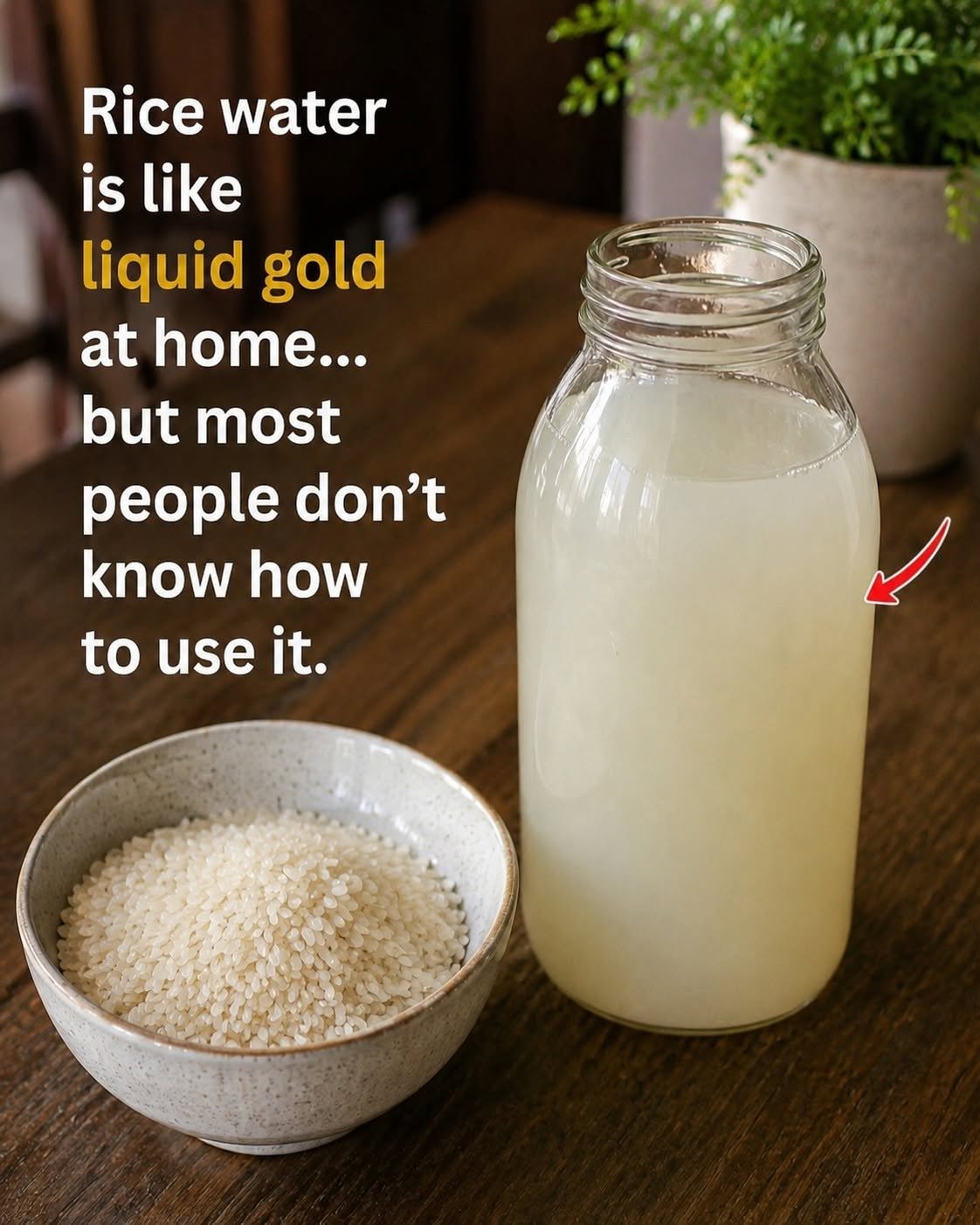
For centuries, natural remedies have offered simple yet remarkably effective solutions for personal care, household maintenance, and wellness. Among these hidden gems, rice water stands out as one of the most versatile, cost-effective, and powerful resources available right in your kitchen. Often discarded down the drain without a second thought, this milky liquid is packed with essential nutrients, minerals, and antioxidants that can transform your daily beauty, gardening, and household routines.
While high-end skincare products and commercial treatments can cost a fortune, this simple byproduct delivers extraordinary value for virtually zero additional expense. Understanding how to properly prepare, store, and utilize rice water can unlock a treasure trove of benefits that most people completely overlook. In this comprehensive guide, we will explore the science, history, and practical applications of rice water, helping you make the most of this natural liquid gold.
What Makes Rice Water So Powerful?
To understand why rice water has gained such widespread popularity across ancient traditions and modern wellness communities alike, it is essential to look at its nutritional composition. When rice grains are soaked, boiled, or fermented in water, they release a substantial portion of their natural compounds into the liquid.
Essential Vitamins and Minerals
Rice water is rich in vitamins B, C, and E, as well as essential minerals such as potassium, magnesium, zinc, and iron. These nutrients play a critical role in cellular renewal, tissue repair, and overall skin and hair health. B-complex vitamins, in particular, help support healthy cell metabolism and maintain natural skin barriers.
Inositol and Antioxidants
One of the most notable components found in rice water is inositol, a carbohydrate compound known to help repair damaged hair and protect skin cells from free radical damage. Inositol remains inside the hair shaft even after rinsing, providing ongoing protection and elasticity. Furthermore, antioxidants present in the water assist in neutralizing environmental stressors, promoting a radiant and youthful appearance.
Amino Acids and Starch
The amino acids present in rice water serve as fundamental building blocks for protein structure, which helps strengthen hair strands and smooth skin texture. The natural starch content acts as a soothing agent, providing mild tightening effects and calming sensitive or irritated skin surfaces.
Ancient Traditions and Modern Applications
The use of rice water is far from a brief trend; it carries a rich history that spans thousands of years, particularly across East Asia.
During the Heian Period (794–1185 CE) in Japan, court ladies were famous for their knee-length, vibrant hair, known as Kurokami. Their secret was rinsing their hair daily with Yuyu-tsu, the nutrient-rich water obtained from washing rice. Similarly, in the modern era, the Yao women of Huangluo village in China are celebrated in the Guinness Book of World Records for having the longest and healthiest hair in the world. They attribute their vibrant, grey-free hair well into their seventies to regular washes with fermented rice water.
Today, modern science and natural wellness enthusiasts have rediscovered these age-old techniques, bringing rice water back into the spotlight as an accessible alternative to expensive commercial formulations.
How to Prepare Rice Water at Home
There are three main methods for preparing rice water: soaking, boiling, and fermenting. Each method offers unique benefits depending on your specific needs and available preparation time.
+-------------------+--------------------+------------------------+---------------------+
| Method            | Preparation Time   | Shelf Life (Refrigerated) | Best Used For       |
+-------------------+--------------------+------------------------+---------------------+
| Quick Soaking     | 30 minutes         | 3 - 5 days             | Daily Skin Toner    |
| Boiling           | 15 - 20 minutes    | 5 - 7 days             | Hair Masks & Rinser |
| Fermented Water   | 12 - 24 hours      | 1 week                 | Deep Hair Treatment |
+-------------------+--------------------+------------------------+---------------------+
Method 1: The Quick Soaking Method
This is the fastest and easiest way to obtain fresh rice water for immediate daily use.
- Take 1/2 cup of uncooked rice (white, brown, jasmine, or basmati) and rinse thoroughly with clean water to remove dirt or impurities.
- Place the cleaned rice in a clean bowl and add 2 to 3 cups of fresh, filtered water.
- Allow the rice to soak at room temperature for 30 minutes, stirring occasionally and pressing the grains gently to release nutrients.
- Strain the liquid into a clean glass jar or bottle. Your fresh rice water is ready to use.
Method 2: The Boiling Method
Boiling yields a concentrated form of rice water that works exceptionally well as a deep conditioner or rinse.
- Rinse 1/2 cup of uncooked rice thoroughly.
- Cook the rice in a pot using double the amount of water you would normally use for cooking (e.g., 3 to 4 cups).
- Once the water reaches a boil and the rice begins to cook, strain the excess cloudy liquid into a clean jar before the rice absorbs all the moisture.
- Allow the liquid to cool completely before application. Dilute with plain water if the consistency is too thick.
Method 3: The Fermentation Method
Fermentation lowers the pH of the rice water to closely match the natural pH of hair and skin, making it richer in antioxidants and nutrients.
- Prepare rice water using the soaking method described above.
- Instead of using it immediately, leave the strained liquid in a glass jar at room temperature for 12 to 24 hours until it develops a slightly sour smell.
- Once fermented, store the container in the refrigerator to stop the fermentation process.
- Dilute with equal parts plain water before applying to hair or skin.
Practical Uses for Hair, Skin, and Household
Rice water serves as a multi-purpose resource across various aspects of your daily life. Incorporating it into your existing routines can provide remarkable results.
1. Hair Care and Scalp Health
- Natural Hair Rinse: After shampooing, pour rice water over your scalp and hair. Massage gently for 5 to 10 minutes, then rinse thoroughly with cool water to enhance shine and strength.
- Scalp Soother: The nutrient composition helps balance scalp oil production and relieve dryness or itching.
- Split End Protection: Regular application reinforces the hair shaft, reducing breakage and splitting over time.
2. Facial Care and Skincare
- Gentle Facial Toner: Apply rice water to clean skin using a cotton pad to minimize pores, balance pH levels, and enhance natural radiance.
- Soothing Compress: Soak a clean cloth in chilled rice water and apply it to sun-exposed or irritated skin for immediate cooling relief.
- Cleansing Wash: Splashing rice water on your face morning and night provides mild cleansing action without stripping away natural oils.
3. Home Gardening and Plant Care
- Plant Nutrient Boost: Rice water contains trace minerals like nitrogen, phosphorus, and potassium that nourish house plants and outdoor gardens.
- Soil Health: Watering non-edible foliage and indoor plants with diluted, un-salted rice water encourages beneficial soil microbial activity.
Financial Wisdom: Smart Choices and Living Efficiently
Utilizing natural home ingredients like rice water reflects a broader, intelligent approach to personal finance and lifestyle management. Finding practical ways to reduce daily expenses allows households to allocate their financial resources toward long-term goals such as savings, investment strategies, and debt reduction.
+-----------------------------+---------------------------+----------------------------+
| Category                    | Average Commercial Cost   | Home-Made Alternative Cost |
+-----------------------------+---------------------------+----------------------------+
| Hair Conditioning Treatment | $25 - $50 per bottle      | $0.15 per batch            |
| Facial Toner / Serum        | $30 - $80 per bottle      | $0.10 per batch            |
| Plant Nutrient Supplement   | $15 - $35 per container   | $0.00 (recycled waste)     |
+-----------------------------+---------------------------+----------------------------+
By substituting expensive commercial products with high-performing natural alternatives, consumers can easily save hundreds of dollars annually. Managing personal budgets wisely, avoiding unnecessary consumer credit debt, and making strategic choices regarding health, insurance, and household expenses build a strong foundation for long-term economic security and comfortable retirement planning.
Key Precautions and Best Practices
While rice water is safe and gentle for most applications, adhering to best practices ensures optimal results without unwanted side effects.
- Always Rinse Rice First: Always wash raw rice grains thoroughly prior to preparation to eliminate surface dust, debris, or potential pesticide residues.
- Avoid Overuse on High-Porosity Hair: Excessive protein accumulation can leave hair feeling stiff or brittle. Use rice water 1 to 2 times per week rather than daily.
- Keep Refrigerated: Fresh rice water should be stored in a cold environment and used within 5 to 7 days to prevent bacterial growth.
- Perform a Patch Test: If you have sensitive skin or specific allergies, apply a small amount of rice water to your inner forearm before applying it to your face or scalp.
Conclusion
Rice water is far more than simple leftover kitchen liquid—it is a time-tested, nutrient-rich solution that promotes healthier skin, stronger hair, and thriving house plants. By taking advantage of this simple home resource, you can elevate your personal care routine while saving money and eliminating unnecessary chemical products from your lifestyle.
Whether you opt for a simple soak or a fermented treatment, integrating rice water into your weekly routine offers an effortless way to experience nature’s most accessible beauty secret.
Frequently Asked Questions (FAQ)
Can I leave rice water in my hair overnight?
It is generally not recommended to leave rice water in your hair overnight. The protein structure and natural starches can dry out on the hair shaft, potentially causing stiffness, brittleness, or breakage. Rinsing after 10 to 20 minutes provides optimal benefits.
How often should I use rice water on my face?
Rice water is gentle enough to be used once or twice daily as a natural toner or face wash. However, if you experience any dryness or irritation, reduce usage to two or three times a week.
Does the type of rice matter?
You can use virtually any variety of rice, including white, brown, jasmine, basmati, or wild rice. White rice is most commonly used for beauty treatments due to its high starch content, while brown rice offers higher nutrient levels.
How long does homemade rice water last?
When stored in an airtight container inside the refrigerator, fresh rice water will last between 5 and 7 days. Discard the batch immediately if you notice an off smell or discoloration.
