
Introduction
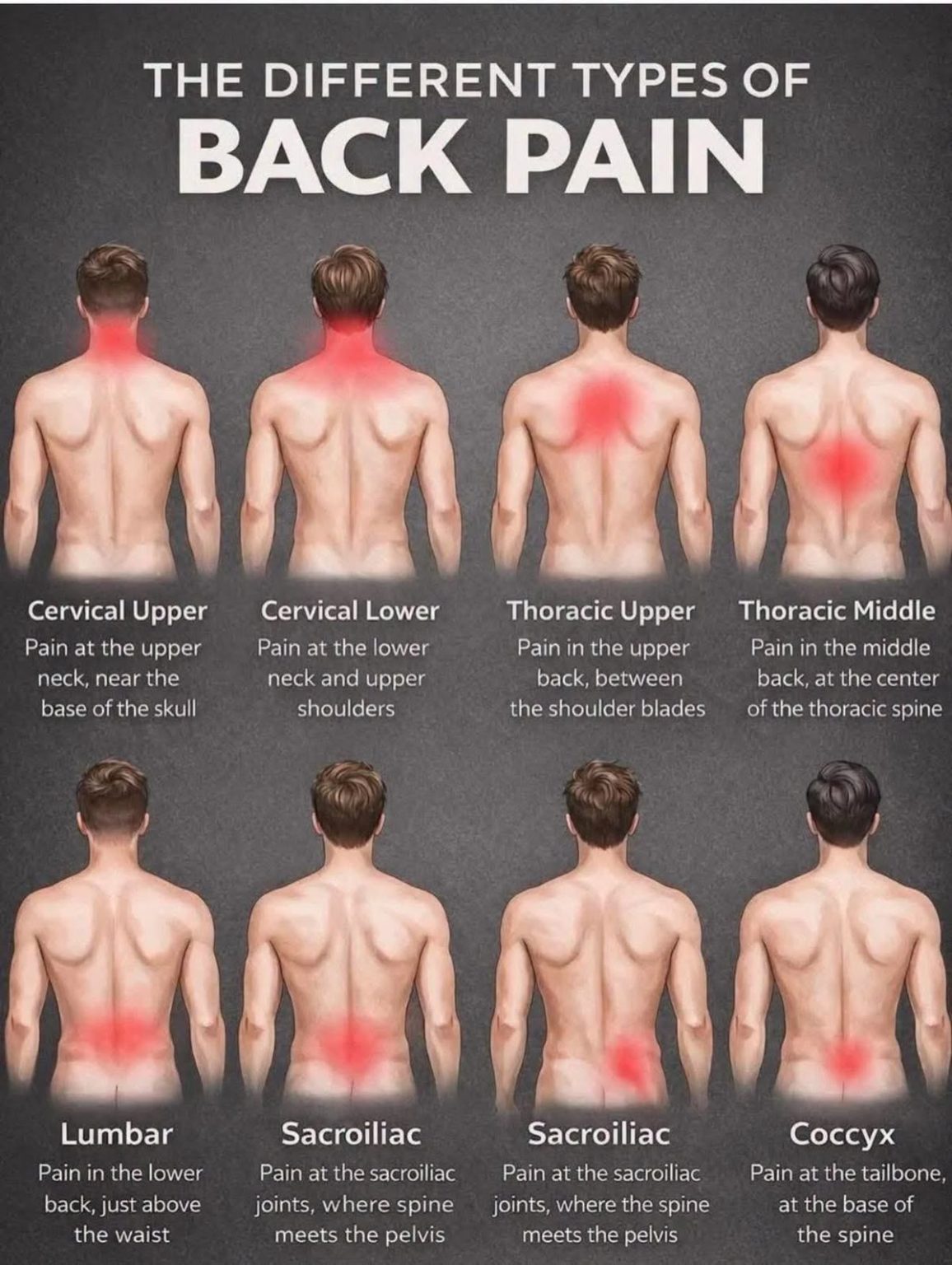
Internet culture thrives on educational health graphics and anatomical infographics that spark immediate curiosity and friendly debates. A viral meme featuring an anatomical chart titled “THE DIFFERENT TYPES OF BACK PAIN” with eight distinct back regions serves up an instant engagement trap. It forces people to examine their posture, test their medical knowledge, and debate health symptoms with friends.
This article explores the comedy and psychology of medical chart puzzles, why health awareness prompts resonate so widely online, and how digital content captures shared interactive experiences. Furthermore, we will examine how navigating online engagement intersects with practical daily topics, including managing media consumption, reviewing household insurance policies, consulting with an attorney or legal services provider regarding business contracts, and safeguarding your long-term finance, investment, and retirement portfolios.
Let’s dive into the fascinating world of health infographics and internet meme culture.
The Playful Psychology of Health Bait Memes
The clever image taps into a universally recognized phenomenon: the everyday experience of bodily aches and pains.
- Anatomy and Personal Health: Presenting a clear breakdown of cervical, thoracic, lumbar, sacroiliac, and coccyx pain triggers immediate personal recognition while drawing people into a massive public discussion about posture and wellness.
- Driving Comments and Interaction: Health chart posts are phenomenal for engagement because almost everyone has experienced some form of back discomfort. Users flock to the comment section to share their symptoms, compare relief strategies, and challenge their friends.
The Power of Medical Infographic Memes on Social Media
On platforms like Facebook, content that poses an informative health hook or prompts shared physical experiences drives high visibility. Memes that challenge users to identify their aches encourage them to stop, comment, and share their thoughts, boosting the post in platform algorithms.
Financial and Legal Considerations for Digital Content Creators
For online creators and meme pages, publishing entertaining content requires balancing creative expression with smart business management:
- Intellectual Property and Usage Rights: Ensuring that shared graphics and anatomical illustrations respect copyright laws is essential. Consulting with an attorney or professional legal services provider helps protect creators from legal disputes.
- Monetization Management: Tracking platform earnings and advertising revenue requires sound personal finance skills.
- Risk Protection: Securing appropriate digital business insurance safeguards your online channels against unforeseen liabilities.
- Long-Term Strategy: Balancing day-to-day content creation with disciplined investment and retirement planning ensures long-term financial security.
Conclusion
Health infographic memes remind us of the fun and curiosity sparked by everyday wellness discussions. Whether you suffer from upper neck strain or lower back tension, sharing these engaging questions brings online communities together.
For more lifestyle tips, digital entertainment trends, and creative insights, explore our other articles covering home business strategies, real estate mortgage options, and personal finance management.
FAQ Section
Q1: Why do medical infographic memes go viral so quickly?
A1: They provide an instantly relatable health hook that prompts users to stop scrolling and check the comments to share their experiences.
Q2: How do social media algorithms handle health-driven posts?
A2: Algorithms reward high user engagement—such as rapid comments, shares, and lively debates—by distributing popular posts into wider user feeds.
Q3: What makes anatomical charts so universally appealing?
A3: Physical health and common body aches affect almost everyone, making medical diagrams instantly relatable and fun to discuss.
Q4: Can digital creators face copyright issues with shared memes?
A4: Using medical illustrations or graphics without proper authorization can sometimes lead to complexities, which is why understanding digital media guidelines is important for publishers.
Q5: Why is personal finance management important for content creators?
A5: Because online income can fluctuate, maintaining a solid budget, emergency fund, and diversified investments helps ensure long-term stability.
Q6: What makes an infographic meme successful on Facebook?
A6: High visual clarity, an informative hook, and content that encourages users to leave comments sharing personal stories are key drivers of success.
Q7: Where can creators find guidance on digital media law?
A7: Consulting with qualified intellectual property attorneys or specialized legal services provides clarity on online content sharing, licensing, and creator rights.
Disclaimer: This article is for informational purposes only and does not constitute professional medical, legal, or financial advice. Always consult with qualified healthcare professionals regarding health concerns.
