
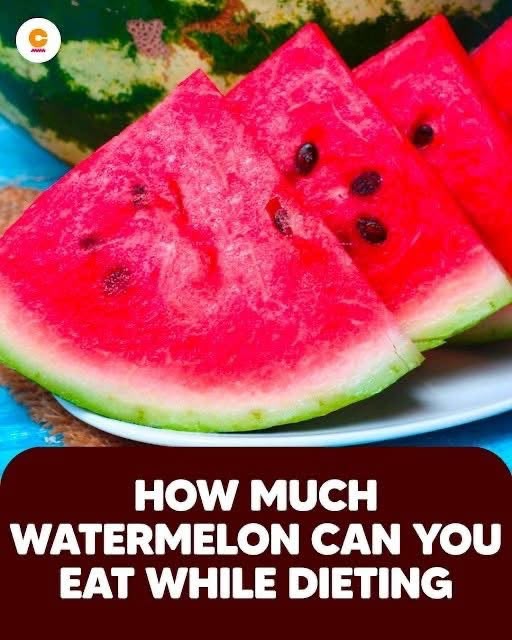
When summer arrives or health goals take center stage, people constantly look for refreshing, low-calorie foods that can satisfy sweet cravings without derailing progress. Watermelon is a quintessential favorite, known for its vibrant red flesh, incredible juiciness, and refreshing taste. But when it comes to weight management and strict dieting, a common question arises: How much watermelon can you eat while dieting? Let’s dive deep into the nutritional profile of watermelon, its impact on metabolism and health, and how to incorporate this delicious fruit into a balanced weight-loss strategy.
Nutritional Profile of Watermelon: Why It’s a Dieter’s Best Friend
Watermelon is composed of roughly 92% water, making it one of the most hydrating foods you can consume. Because of its high water content and low calorie density, it allows you to eat a satisfying portion size without consuming a massive amount of calories.
- Calorie Density: One cup of diced watermelon contains only about 46 calories, meaning you can enjoy a generous serving without heavily impacting your daily caloric intake.
- Essential Vitamins: Watermelon is rich in vitamin C, vitamin A, and powerful antioxidants like lycopene, which supports heart health and reduces oxidative stress.
- Natural Hydration: Proper hydration is a key component of any health or fitness journey, helping to maintain energy levels and support metabolic function.
Glycemic Index and Sugar Content
While watermelon is healthy, dieters often worry about its sugar and carbohydrate content. Watermelon has a relatively high glycemic index (GI), meaning the body absorbs its sugars quickly. However, it has a very low glycemic load (GL) because a standard serving contains a relatively small amount of total carbohydrates. For most people, eating moderate portions of watermelon will not cause drastic blood sugar spikes, though individuals managing specific medical conditions should monitor their intake.
How Much Watermelon Can You Eat While Dieting?
The ideal portion size depends on your overall daily caloric goals, physical activity level, and dietary framework (such as low-carb, keto, or balanced calorie deficit). However, general guidelines can help you optimize your consumption.
Moderate Daily Portions
For a standard weight-loss diet focused on calorie restriction, a daily portion of 1 to 2 cups of fresh, diced watermelon is generally considered safe, refreshing, and nutritionally beneficial. This provides a satisfying sweet treat without crowding out other essential macronutrients like protein and healthy fats.
Avoiding Mono-Diet Pitfalls
Some crash diets advocate for eating only watermelon for days at a time to drop weight rapidly. Health and medical experts strongly advise against restrictive mono-diets. While you may see immediate weight loss on the scale, it is primarily water weight and muscle mass depletion rather than sustainable fat loss. A proper diet requires balanced nutrition to maintain long-term health and metabolic stability.
Health, Wellness, and Medical Considerations
Incorporating fruit into your daily routine interacts with broader physiological and medical factors. Here is how watermelon aligns with overall wellness:
Digestive Health and Fiber
While watermelon is not as fiber-dense as raspberries or apples, it still provides a small amount of dietary fiber that supports healthy digestion and regular bowel movements.
Investment in Long-Term Health
Maintaining a healthy lifestyle involves consistent choices rather than quick fixes. Budgeting your daily caloric intake to include nutrient-dense, vitamin-rich fruits like watermelon supports sustained energy, cardiovascular wellness, and overall vitality.
Consulting Medical Professionals
If you are managing specific health conditions—such as diabetes or insulin resistance—it is always wise to consult with a doctor or registered dietitian before making sudden changes to your fruit consumption or daily meal plans. Personalized medical guidance ensures that your diet supports your unique health requirements.
Practical Tips for Enjoying Watermelon on a Diet
To get the most out of your watermelon consumption while staying on track with your fitness goals, consider these practical strategies:
- Control Your Portions: Pre-slice your watermelon into single-serving containers so you are less likely to overeat straight from a large bowl.
- Pair with Protein or Fat: Combine watermelon cubes with a small handful of nuts or a scoop of cottage cheese to slow down digestion and increase satiety.
- Use as a Low-Calorie Dessert: Substitute sugary, processed sweets with fresh watermelon to satisfy evening sugar cravings naturally.
Conclusion: Sweet Success on Your Weight Loss Journey
Watermelon is a delicious, hydrating, and low-calorie addition to almost any healthy eating plan. By understanding proper portion sizes, avoiding extreme crash diets, and focusing on balanced nutrition, you can enjoy this seasonal favorite guilt-free. Remember that sustainable weight loss is built on consistency, proper hydration, and nourishing your body with wholesome foods.
FAQ Section
Q: How much watermelon can I safely eat every day while dieting? A: A standard portion of 1 to 2 cups of fresh watermelon per day fits comfortably into most calorie-conscious weight-loss meal plans.
Q: Will eating watermelon at night make me gain weight?
A: Weight gain is determined by your total daily caloric intake versus energy expenditure, not the specific time of day you consume fruit. However, eating large volumes right before bed may disrupt sleep due to fluid intake.
Q: Is watermelon good for hydration?
A: Yes! Since watermelon is about 92% water, it is an exceptionally hydrating food that helps replenish fluids and electrolytes naturally.
Q: Can diabetics eat watermelon?
A: Diabetics can eat watermelon in moderation, but because it has a higher glycemic index, it should be consumed in controlled portions and ideally paired with proteins or fats to manage blood sugar responses.
Q: Are watermelon mono-diets safe for rapid weight loss?
A: No. Crash diets that restrict food intake to only watermelon lack essential proteins, fats, and micronutrients, leading to muscle loss and nutritional deficiencies.
