
Introduction
In the era of streaming services, smart TVs, and expensive cable packages, finding ways to access free television broadcasts has become a massive trend online. If you spend any time browsing social media feeds, you have likely encountered viral images and videos promising unbelievable life hacks—such as modifying household electrical cords or plugging makeshift wires into your television to unlock hundreds of free channels in full HD. While these sensational claims catch millions of eyes and generate heavy online debate, they often blur the line between clever DIY ingenuity and dangerous electrical hazards. Understanding the reality behind these viral trends is essential for keeping your home safe while exploring alternative entertainment solutions.
The Appeal of Free TV and Viral Life Hacks
The desire to cut household costs drives the popularity of viral DIY life hacks. With monthly subscription prices rising across streaming platforms and traditional cable providers, consumers are constantly searching for ways to reduce monthly bills without losing access to entertainment. When a viral post suggests that a simple household item or modified plug can instantly replace expensive equipment, it taps directly into that desire for a quick, cost-effective solution. However, not all online tutorials are safe or accurate, and distinguishing between harmless tricks and hazardous modifications is critical.
Unpacking the Viral Image: Separating Fact from Fiction
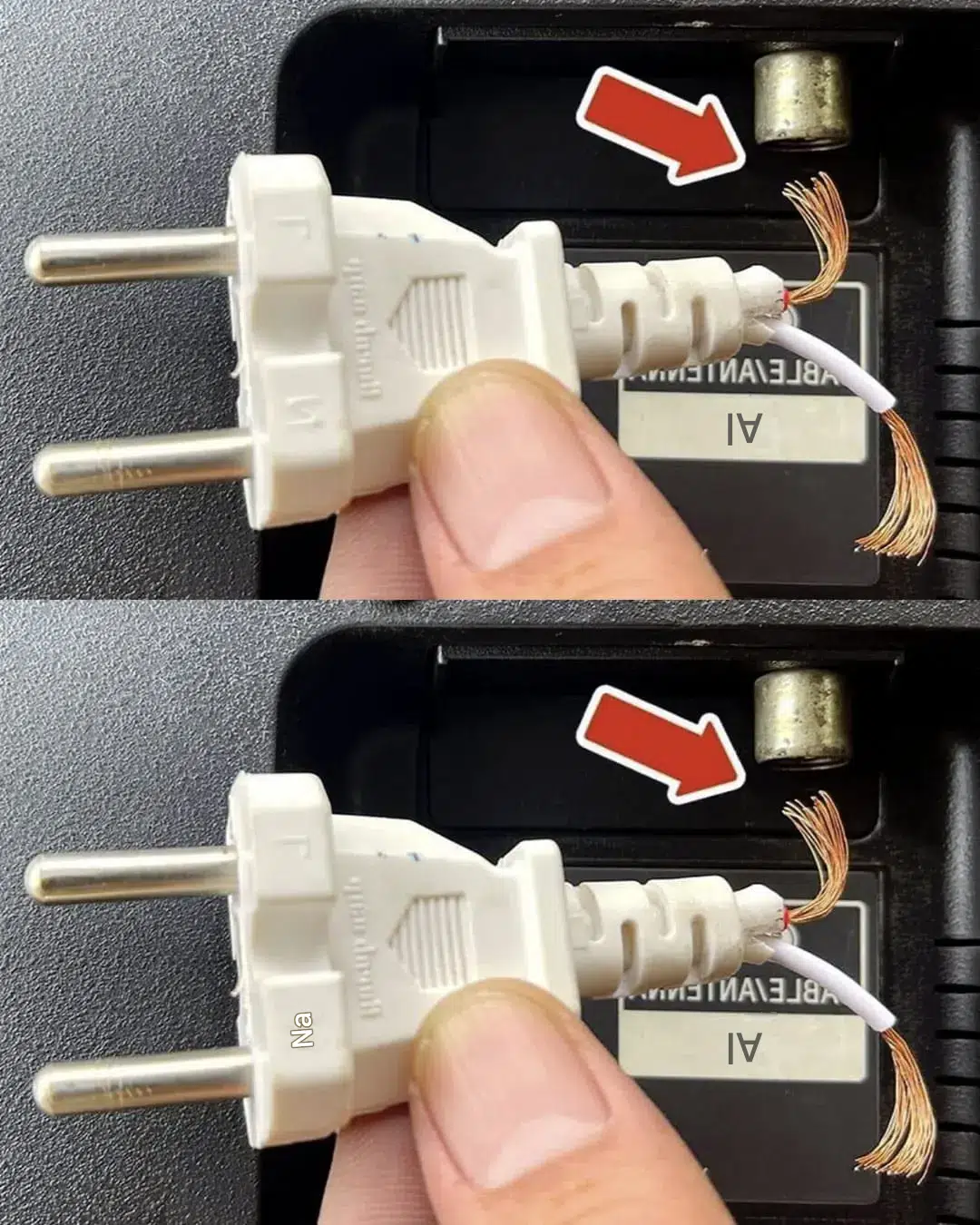
The image circulating online shows a modified plug with exposed copper wires near a television port, accompanied by claims of unlocking free broadcast channels. From an electrical and technical standpoint, this kind of modification is both ineffective and extremely dangerous.
1. The Dangers of Modifying Electrical Plugs
A standard wall plug is designed exclusively to carry alternating current electricity from a wall outlet to power an appliance. Inserting a frayed or modified cord into anything other than its intended power source—or attempting makeshift wiring—poses a severe risk of electrical shock, short circuits, and household fires. Standard television antenna ports (coaxial connections) operate on radio frequency signals, not standard household electrical currents.
2. How Real Free Over-the-Air TV Works
If you want to watch free television legally and safely, you do not need dangerous modifications. Modern digital television broadcasts are transmitted over the airwaves and can be received using a certified digital TV antenna (sometimes called an HD antenna). These inexpensive devices plug directly into the standard coaxial port on the back of a television, allowing viewers to access local broadcast networks in crisp high definition without any safety risks.
Financial and Legal Considerations for Home Electronics
Managing your household finance and entertainment budget is important, but safety should never be compromised for a quick shortcut. Attempting dangerous electrical modifications can lead to catastrophic equipment failure, ruining your valuable electronics investment and potentially causing property damage that may not be covered by standard home insurance policies.
If an electrical mishap leads to an injury or major property damage, navigating the resulting claims can require consulting a qualified attorney or utilizing specialized legal services. Ensuring that all home appliances, wiring, and entertainment setups comply with safety standards protects your long-term retirement funds and preserves your family’s financial health. Treating home maintenance with the seriousness of a well-run business ensures that your household remains secure against avoidable risks.
Practical Tips for Cutting Cord Costs Safely
- Use Certified Hardware: Always purchase commercially manufactured, FCC-approved digital antennas for over-the-air television reception.
- Research Before You Try: Before attempting any viral DIY trick found on social media, consult trusted consumer electronics websites or manufacturer manuals.
- Prioritize Safety: Never tamper with electrical cords, wall outlets, or internal television components.
Interesting Facts About Television Technology
- The Transition to Digital: In 2009, many countries completed the transition from analog to digital television broadcasts, vastly improving picture and sound quality while freeing up radio spectrum for mobile communications.
- The Invention of the Antenna: Early television reception relied entirely on external roof antennas, a technology that has experienced a modern resurgence as consumers seek alternatives to cable subscriptions.
- High-Definition Standards: “Full HD” generally refers to a resolution of 1920×1080 pixels, a standard that revolutionized home viewing clarity in the early 2000s.
Conclusion
While viral images promising secret hacks to unlock free television channels are captivating to look at, they often depict unsafe or impractical methods. Relying on certified digital antennas is the only safe, legal, and effective way to enjoy free over-the-air broadcasts. By staying skeptical of sensational online claims, you protect your valuable electronics investment, safeguard your home against electrical hazards, and ensure peace of mind for you and your family.
FAQ Section
1. Can a modified electrical cord actually give me free TV channels?
No. Standard electrical plugs and exposed wires cannot safely or effectively decode digital television broadcast signals. Attempting this trick poses a severe risk of electric shock and can permanently damage your television.
2. What is the safest way to get free TV channels at home?
The safest and most effective method is purchasing a standard indoor or outdoor digital HD antenna and plugging it directly into the coaxial port on your television.
3. Are digital antennas expensive?
No, basic indoor digital antennas are relatively inexpensive and typically pay for themselves within the first month of canceling a traditional cable subscription.
4. Why do people share fake or dangerous DIY hacks online?
Many sensational images and videos are shared widely on social media simply to drive engagement, clicks, and viral traffic, regardless of whether the underlying advice is accurate or safe.
5. Can tampering with electrical wires void my home insurance?
If property damage or a fire is caused by intentional or negligent tampering with electrical components, insurance companies may deny coverage claims, leading to significant out-of-pocket expenses.
6. Should I consult an attorney if an appliance causes a household fire?
If a faulty or improperly modified appliance causes property damage or injury, consulting a qualified attorney can help you understand your rights regarding product liability and insurance claims.
7. Do I need internet access to use a digital TV antenna?
No. Digital antennas receive broadcast signals directly through the airwaves from local television towers, requiring zero internet connection or subscription fees.
