
Introduction
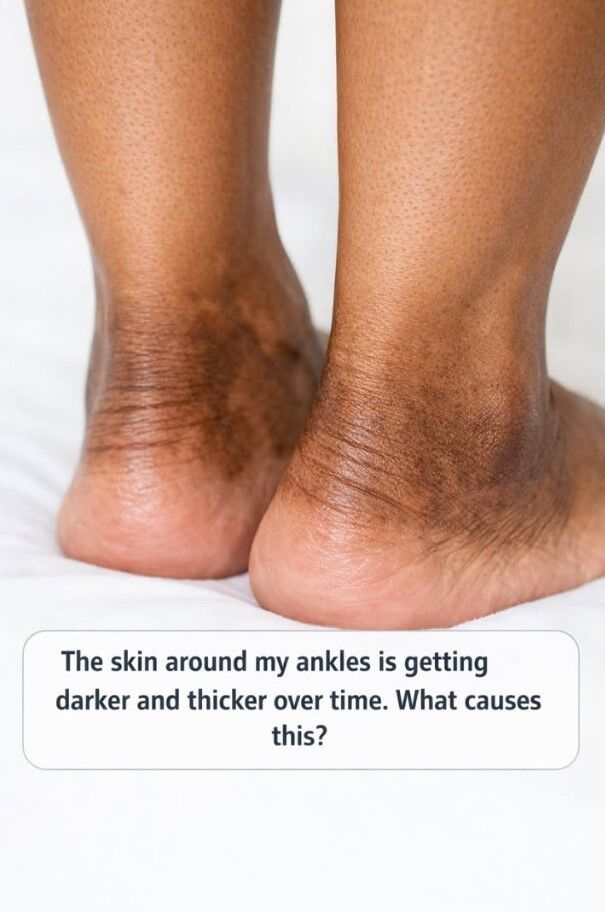
Changes in skin texture and pigmentation can often appear gradually, catching many people by surprise. Whether it is a subtle discoloration, a change in skin thickness, or persistent dryness, observing shifts in your integumentary system is an important part of personal health monitoring. When skin around the lower extremities—such as the ankles—begins darkening and thickening over time, it frequently signals underlying vascular, inflammatory, or lifestyle factors.
While many skin variations are harmless, understanding the root causes helps you take informed action, consult appropriate medical or legal services when health concerns arise, and maintain optimal physical well-being. Exploring the biological and environmental reasons behind skin texture changes can empower you to seek proper care and support.
The Physiology of Skin Pigmentation and Thickness
The skin is the body’s largest organ, acting as a protective barrier against external elements while reflecting internal metabolic and circulatory health.
Why Skin Changes Over Time
- Melanin Production: Skin darkening (hyperpigmentation) often occurs when melanocytes produce excess melanin in response to chronic friction, inflammation, or pooling blood products.
- Lichenification and Fibrosis: Skin thickening is typically the result of chronic scratching, pressure, or prolonged fluid accumulation, which stimulates collagen and fibrous tissue deposition in the dermal layers.
Common Causes of Ankle Skin Darkening and Thickening
Several distinct conditions can lead to hyperpigmentation and thickening around the ankles and lower legs.
1. Chronic Venous Insufficiency (CVI)
One of the most frequent medical causes of lower leg skin changes is venous insufficiency. When the one-way valves in leg veins weaken, blood pools in the lower extremities rather than flowing efficiently back to the heart.
- Hemosiderin Staining: Increased pressure causes tiny blood vessels (capillaries) to leak red blood cells into the surrounding tissue. As these cells break down, iron-rich pigments called hemosiderin deposit in the skin, causing a permanent brownish-yellow discoloration.
- Lipodermatosclerosis: Chronic venous hypertension can lead to inflammation of the subcutaneous fat, causing the skin and underlying tissue to become hard, thick, and tapered.
2. Chronic Friction and Contact Dermatitis
External physical factors also play a major role in localized skin thickening.
- Rubbing from Footwear: Constantly tight socks, heavy work boots, or ankle straps can cause chronic friction, leading to protective skin thickening (lichen simplex chronicus).
- Allergic Reactions: Chronic exposure to certain fabrics, dyes, or topical products can trigger low-grade inflammatory responses that alter skin pigmentation.
Practical Tips for Managing Skin Health
Maintaining healthy skin on your lower extremities involves a combination of supportive daily habits and proactive healthcare.
- Support Circulation: Elevate your legs above heart level periodically throughout the day to reduce venous pressure and fluid pooling.
- Moisturize Regularly: Apply gentle, fragrance-free emollients daily to maintain skin barrier integrity and prevent dryness or cracking.
- Avoid Constrictive Clothing: Wear loose-fitting socks and comfortable footwear that do not pinch or create excessive friction around the ankles.
- Consult Medical Professionals: Because skin darkening can stem from underlying circulatory conditions, seek a professional evaluation from a dermatologist or vascular specialist for an accurate diagnosis.
Interesting Facts About Lower Leg Skin
- Vascular Load: The veins in your lower legs must work against gravity to pump blood upward, enduring immense hydrostatic pressure daily.
- Skin Resilience: The skin on the lower legs has fewer oil glands than other parts of the body, making it particularly prone to dryness and environmental stress.
- Early Indicators: Observable changes in lower leg skin are often among the earliest external signs of subclinical circulatory inefficiencies.
Conclusion
Noticing changes in the color and thickness of the skin around your ankles is an important cue to pay closer attention to your vascular and dermatological health. By understanding factors like venous pressure, chronic friction, and proper skin care, you can take meaningful steps toward protecting your long-term mobility and wellness. Always consult qualified healthcare professionals to address persistent symptoms and ensure comprehensive care.
FAQ Section
Is skin darkening around the ankles reversible?
Hemosiderin staining and chronic skin thickening can be difficult to reverse completely, but treating the underlying venous or inflammatory cause can prevent further progression.
Can compression stockings help prevent skin thickening?
Yes, doctor-prescribed compression stockings help improve venous return, reduce fluid accumulation, and minimize pressure on the lower legs.
When should I see a doctor for ankle skin changes?
You should consult a physician if you notice rapid skin discoloration, persistent swelling, pain, or hardening of the tissue around your lower legs.
Does poor circulation cause skin texture changes?
Yes, inadequate blood flow and chronic venous hypertension are primary contributors to both hyperpigmentation and dermal fibrosis in the lower extremities.
