
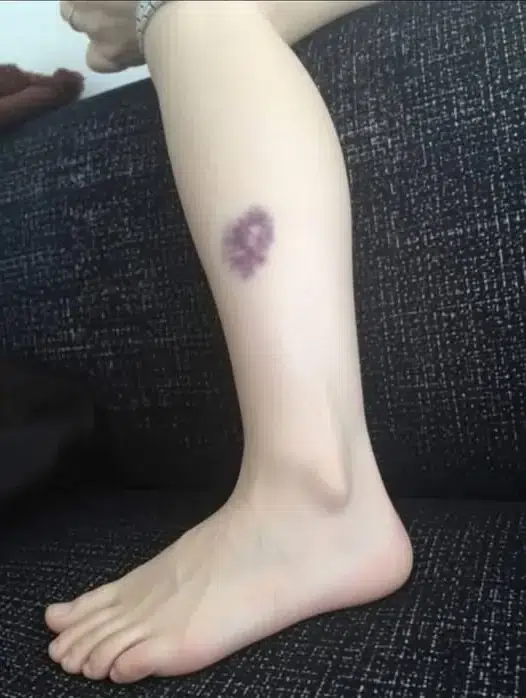
Discovering an unexpected bruise on your body is a common occurrence. Most of us occasionally bump our shins against a coffee table, knock into a doorframe, or stumble during a busy day, leaving behind a tender purple or blue mark that fades within a couple of weeks. However, finding unexplained bruises—especially isolated or recurring dark purple spots on your legs without any recollection of trauma—can be alarming.
While occasional bruising is completely normal, persistent or unexplained bruising can sometimes serve as an important warning sign from your body regarding underlying health, vascular issues, or nutritional deficiencies. In this comprehensive guide, we will explore the medical causes of unexplained leg bruising, examine red-flag symptoms, discuss financial and healthcare considerations, and provide practical tips for health monitoring.
The Physiology of Bruising: How and Why Marks Form
To understand why unexplained bruises appear, it helps to review the biological mechanics of how bruises develop under the skin.
Broken Blood Vessels and Blood Trapping
A bruise (medically known as a contusion) occurs when tiny blood vessels called capillaries beneath the skin are damaged or rupture, leaking red blood cells into surrounding tissue. As the body breaks down and reabsorbs the trapped blood, the mark changes color—typically shifting from vibrant red or deep purple to green, yellow, and light brown before fading completely.
Common and Serious Causes of Unexplained Bruising
While minor bumps are easily forgotten, several physiological factors can cause bruising to appear spontaneously or more frequently.
                      +---------------------------------------+
                      |       CAUSES OF UNEXPLAINED BRUISES   |
                      +---------------------------------------+
                                          |
         +--------------------------------+--------------------------------+
         |                                |                                |
         v                                v                                v
   [ VASCULAR HEALTH ]            [ NUTRITIONAL FACTORS ]        [ MEDICAL CONDITIONS ]
+---------------------+        +---------------------+        +---------------------+
| • Fragile capillary |        | • Vitamin C or K    |        | • Blood clotting    |
|   walls             |        |   deficiencies      |        |   disorders         |
| • Aging skin layers |        | • Poor diet balance |        | • Medication side   |
|                     |        |                     |        |   effects           |
+---------------------+        +---------------------+        +---------------------+
1. Medication Side Effects and Blood Thinners
Many common prescription medications—such as aspirin, anti-inflammatory drugs (NSAIDs), and anticoagulant blood thinners prescribed for cardiovascular health—interfere with normal blood clotting, making individuals significantly more prone to bruising from minor pressure.
2. Nutritional Deficiencies
A lack of essential vitamins—particularly Vitamin C (vital for collagen and capillary strength) and Vitamin K (essential for blood coagulation)—can weaken blood vessels and increase bruising susceptibility.
3. Underlying Blood Clotting Disorders
More serious medical conditions, such as platelet disorders, hemophilia, or other hematological issues, can impair the body’s ability to form clots, leading to spontaneous and widespread bruising.
| Bruising Factor | Typical Characteristic | When to Consult a Doctor |
| Traumatic Bump | Tender, fades predictably in 2 weeks | Rarely needed unless severe swelling occurs |
| Medication Related | Frequent small bruises on arms/legs | Review dosage with prescribing physician |
| Spontaneous Bruising | Large, unexplained dark marks | Immediate medical evaluation recommended |
Financial, Medical, and Healthcare Considerations
Monitoring physical symptoms proactively involves understanding healthcare resources and insurance coverage.
Preventive Health Check-Ups and Blood Panels
If you experience chronic or unexplained bruising, consulting a primary care physician for routine blood work (such as a Complete Blood Count or coagulation panel) is a wise investment in your long-term health. Catching deficiencies or blood disorders early prevents costly emergency medical interventions down the line.
Practical Tips for Health Monitoring and Skin Care
Tracking your physical health and protecting your skin involves simple, proactive daily habits.
+-----------------------------------------------------------------------+
|                    HEALTH MONITORING CHECKLIST                        |
+-----------------------------------------------------------------------+
| STEP 1 : Keep a symptom journal noting when and where bruises appear  |
| STEP 2 : Review all current medications and supplements with a doctor |
| STEP 3 : Maintain a balanced diet rich in vitamins C, K, and iron     |
| STEP 4 : Protect aging skin from accidental bumps and sharp corners   |
+-----------------------------------------------------------------------+
1. Keep a Bruise Journal
If you notice recurring unexplained marks, note their size, location, and how long they take to fade. This log provides valuable diagnostic information for your healthcare provider.
2. Maintain Balanced Nutrition
Support vascular strength by consuming plenty of citrus fruits, leafy green vegetables, and nutrient-dense whole foods that support healthy blood circulation and tissue repair.
Fascinating Facts About Blood and Bruising
- Color Evolution: The changing colors of a bruise are actually a visible timeline of hemoglobin breaking down into biliverdin (green), bilirubin (yellow), and finally hemosiderin (golden brown).
- Gender Discrepancy: Women generally bruise more easily than men due to differences in subcutaneous fat distribution and hormonal influences (such as estrogen) on blood vessel walls.
- Gravity’s Effect: Because of gravity, bruises that originate on the thighs or hips often slowly migrate downward over several days, eventually appearing near the knees or lower legs.
- Capillary Network Length: The human body contains over 60,000 miles of microscopic capillaries, showcasing the vast network responsible for blood delivery and tissue nourishment.
Conclusion
While an occasional bruise from a forgotten bump is a normal part of daily life, persistent or unexplained purple marks on your legs should never be ignored. Whether linked to medication side effects, nutritional gaps, or underlying blood clotting factors, paying attention to your body’s warning signs ensures timely medical guidance. By tracking symptoms, maintaining a nutrient-rich diet, and consulting healthcare professionals when needed, you can safeguard your vascular health and overall well-being.
Frequently Asked Questions (FAQ)
When should I worry about an unexplained bruise?
You should consult a healthcare provider if you develop large or numerous bruises without known cause, bruise very easily, notice bleeding gums, or experience spontaneous bruising accompanied by fatigue or pain.
Can vitamin deficiencies cause bruising?
Yes. Deficiencies in Vitamin C, Vitamin K, or iron can weaken blood vessel walls or impair clotting ability, leading to increased bruising.
Do blood pressure medications cause bruising?
Certain medications—particularly blood thinners, aspirin, and anti-inflammatory drugs—prevent normal clotting and significantly increase your likelihood of bruising.
Why do women bruise more easily than men?
Women often have thinner skin layers and less subcutaneous fat cushioning capillaries compared to men, combined with hormonal factors that influence blood vessel fragility.
How long does a normal bruise take to heal?
A typical traumatic bruise changes colors and fades completely within two weeks; bruises that persist longer or appear without trauma warrant medical evaluation.
