
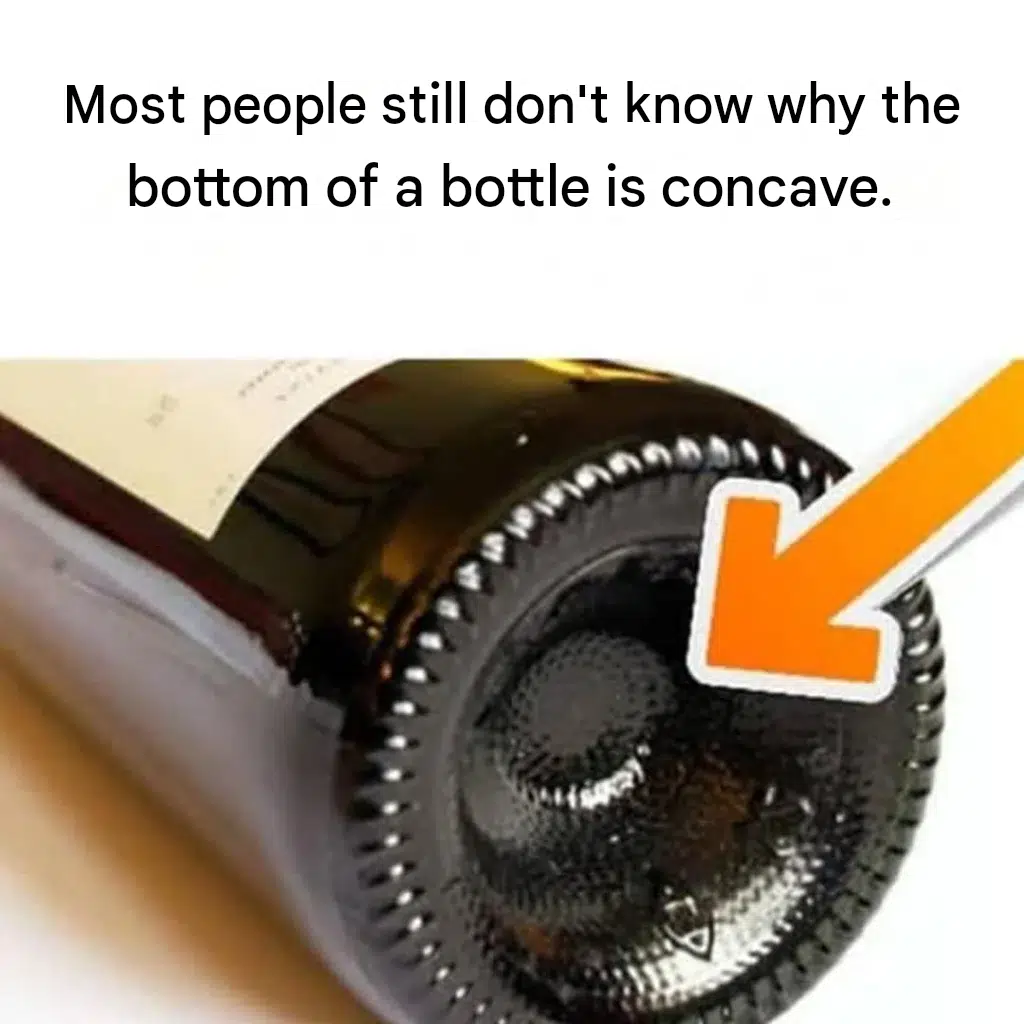
When picking up a bottle of wine, sparkling cider, or even certain carbonated beverages, most people rarely pause to examine its structural anatomy. Yet, if you turn the bottle upside down, you will almost always find a deep, inward indentation at the base—a feature known in the glass-making industry as the “punt”. While many casual consumers assume this concave shape is merely an aesthetic choice or a trick to make the bottle look like it holds more liquid, the reality involves a fascinating blend of physics, historical glassblowing techniques, structural engineering, and modern manufacturing technology.
Understanding the design of everyday containers sheds light on how industrial engineering solves complex physical challenges. From withstanding immense internal pressure to facilitating efficient manufacturing and global transport, the concave bottle base remains a masterclass in functional design.
The Historical Origins of the Glass Punt
To fully appreciate why bottle bases are shaped this way, it is helpful to look back at the history of glass production before modern automated factories existed.
1. The Art of Free-Blown Glass
For centuries, glass bottles were handcrafted by master artisans using a blowpipe.
- The Pontil Rod: After blowing the molten glass into its initial shape, the artisan attached the bottom of the bottle to a solid iron rod called a pontil (or punt) to finish shaping the neck and opening.
- The Punting Mark: When the pontil rod was snapped off, it left behind a sharp, jagged scar of glass at the bottom.
- Pushing the Base Inward: To prevent this rough pontil mark from scratching tables or causing the bottle to wobble, glassblowers pushed the bottom glass inward, creating a concave cavity that hid the imperfection.
2. Evolution into Mass Production
Even after automated bottle-making machinery replaced traditional hand-blowing techniques, the concave design persisted. Manufacturers quickly realized that the structural benefits of a pushed-in base far outweighed the historical necessity of hiding a pontil scar, cementing the punt as an essential feature of rigid container technology.
Structural Physics: Why Concavity Matters for Pressure and Stability
From an engineering standpoint, the bottom of a container must endure significant mechanical stress during production, transportation, and consumption. The physics behind a concave base provide several critical advantages.
1. Counteracting Internal Pressure
Many beverages—particularly sparkling wines, champagnes, and carbonated soft drinks—generate immense internal pressure from dissolved carbon dioxide.
- Distributing Force: A flat glass bottom would act as a weak point, easily bowing outward or fracturing under high pressure.
- Arch and Dome Principles: By utilizing an arch or dome shape (similar to architectural bridges and vaults), the concave base distributes internal outward pressure evenly across the entire structural wall of the bottle.
- Enhanced Safety: This architectural resilience prevents catastrophic failures, ensuring that pressurized containers remain stable during storage and shipping.
2. Base Stability and Pouring Control
Beyond pressure resistance, the geometry of the bottom directly impacts how a bottle rests on flat surfaces and how it is handled.
- The Outer Ring: Instead of resting on a flat, uniform surface prone to rocking if the glass is slightly uneven, the bottle rests on a sturdy outer perimeter ring.
- Ergonomic Grip: For sommeliers and servers, placing a thumb inside the concave punt during pouring provides superior leverage, stability, and control, allowing for smooth, elegant service.
Manufacturing, Supply Chain, and Economic Considerations
The production of glass and plastic containers represents a massive global industry intersecting with technology, manufacturing business operations, and supply chain logistics.
Technological Innovations in Glass Manufacturing
Modern container production relies on advanced thermodynamics and high-speed machinery.
- Cooling Uniformity: Molten glass must cool evenly to prevent internal structural stresses. The concave bottom helps regulate the cooling rate of thick glass deposits at the base.
- Material Optimization: Precision engineering allows manufacturers to minimize raw material usage while maximizing structural integrity, reducing shipping weight and fuel consumption across global supply chains.
Investment and Quality Assurance in Business
Container manufacturing companies invest heavily in automated inspection technology, laser sensors, and stress-testing protocols to ensure every bottle meets strict safety standards. Ensuring defect-free packaging protects beverage brands from liability issues and safeguards consumer investments in high-end products.
Practical Tips for Handling and Storing Glass Containers
Whether you are organizing a home pantry, managing hospitality inventory, or recycling glass materials, understanding container design helps prevent accidents:
- Inspect for Base Cracks: Always check the outer ring and internal punt of glass bottles for hairline fractures before exposing them to sudden temperature changes or high pressure.
- Store Vertically When Appropriate: While corked wine bottles are traditionally stored horizontally to keep corks moist, carbonated or sparkling beverages benefit from stable upright storage when opened.
- Handle Pressurized Bottles with Care: Never expose sparkling beverage bottles to direct sunlight or extreme heat, as rising temperatures increase internal pressure against the structural base.
- Recycle Responsibly: Separate glass containers cleanly according to local municipal recycling guidelines to support sustainable manufacturing cycles.
Fascinating Insights into Bottle Design and Engineering
- Champagne Pressure Levels: A standard bottle of champagne holds internal pressures reaching up to 5 to 6 atmospheres—roughly three times the pressure inside an automobile tire—making the concave punt an absolute necessity for survival.
- The Evolution of Weight: Modern manufacturing techniques have successfully reduced the average weight of commercial glass bottles by over 30% in recent decades without sacrificing structural strength.
- Historical Sediment Trapping: In older wine traditions, the deep recess of the punt helped capture natural sediment as the wine aged, preventing unwanted particles from pouring into the glass.
The Enduring Value of Ingenious Industrial Design
The concave bottom of a bottle stands as a brilliant example of how historical practices merge with modern engineering. What began as a clever solution to smooth over glassblowing scars evolved into a vital structural component that ensures safety, enhances pouring ergonomics, and withstands immense physical pressures. By appreciating these hidden design elements, we gain a deeper awareness of the sophisticated technology embedded in everyday objects.
Frequently Asked Questions (FAQ)
Do all bottles have a concave bottom?
No. While wine bottles, champagne bottles, and many traditional glass containers feature deep concavities, standard beer bottles, water bottles, and flat-bottomed jars often have much flatter bases because they experience lower internal pressures or are manufactured using different molding techniques.
Why do champagne bottles have a deeper punt than regular wine bottles?
Champagne bottles contain carbonated liquid under extreme pressure. A deeper, more pronounced concave punt provides the necessary structural arch to withstand this high internal pressure safely.
Does a deeper punt mean the bottle contains more liquid?
No. The depth of the punt does not indicate the volume of liquid inside. By law, standard bottles must contain the exact volume stated on the label, regardless of how much glass is pushed inward at the base.
Is the concave bottom used in plastic bottles as well?
Yes. Many carbonated soft drink bottles made from polyethylene terephthalate (PET) utilize a molded petaloid or concave base design to effectively distribute pressure and provide stable footing.
