
Introduction
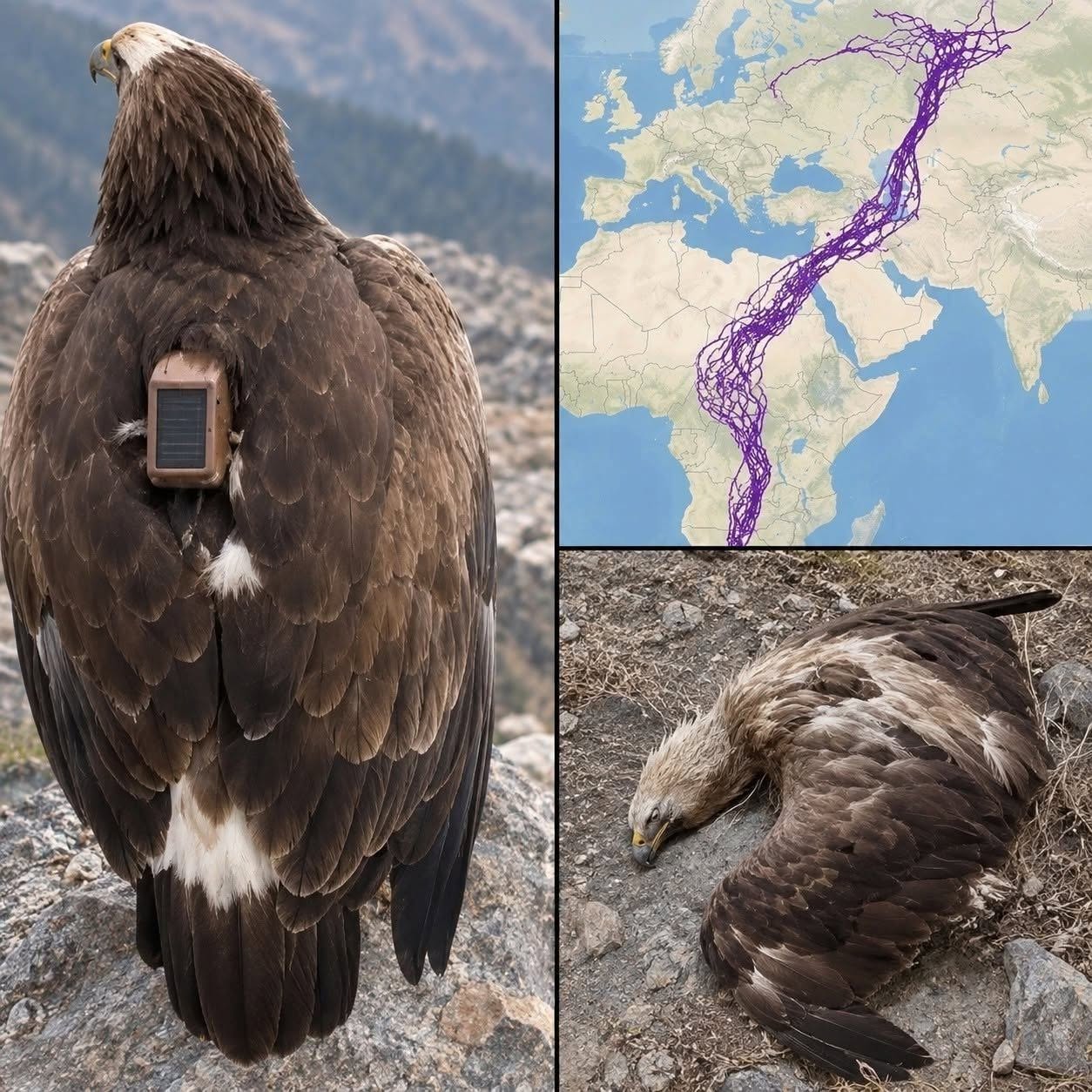
The natural world is filled with astonishing phenomena, and few are as awe-inspiring as bird migration. Every year, millions of avian species travel thousands of miles across continents, oceans, and mountain ranges between their breeding and wintering grounds. In recent decades, advancements in telemetry and satellite GPS tracking have allowed scientists to monitor these epic journeys with unprecedented precision, revealing the exact routes, challenges, and remarkable endurance of migratory birds.
However, tracking these magnificent creatures also brings to light the severe environmental hazards they face along their flyways. Understanding the science of bird migration, the data gathered by researchers, and the threats confronting wildlife helps raise awareness for conservation and habitat protection. Exploring these epic journeys offers a deeper appreciation for nature’s resilience and the fragile balance of global ecosystems.
The Science of Avian Migration and Satellite Tracking
For centuries, the exact paths taken by migratory birds remained a mystery, with naturalists relying primarily on simple bird-banding techniques. Today, lightweight solar-powered GPS transmitters attached to larger raptors and storks provide continuous, real-time mapping of their global journeys.
What GPS Maps Reveal
- Precise Flyways: Tracking data shows that birds often follow ancient, genetically programmed routes known as flyways, utilizing geographical landmarks like river valleys, coastlines, and mountain passes.
- Stopover Sites: Birds do not fly continuously; GPS tracking highlights critical stopover locations where they rest and refuel before continuing their grueling transcontinental journeys.
Major Hazards Along Migratory Flyways
While migration is a natural marvel, tracking studies frequently document the harsh realities and mortal dangers birds encounter in the wild.
1. Natural Obstacles and Extreme Weather
Migrating birds must navigate severe weather patterns, shifting winds, and vast ecological barriers such as deserts and open seas. Crossing the Sahara Desert or major mountain ranges demands enormous physical stamina, and unexpected storms can blow birds off course or lead to exhaustion.
2. Anthropogenic Threats and Habitat Loss
Human activity presents some of the most lethal challenges to migrating wildlife.
- Power Lines and Infrastructure: Collisions with electrical transmission lines, wind turbines, and communication towers account for significant mortality rates among large soaring birds.
- Poaching and Poisoning: Illegal hunting and accidental ingestion of agricultural pesticides or poisoned bait remain persistent dangers along international flyways.
- Habitat Destruction: Urban expansion, deforestation, and wetland drainage destroy the vital stopover habitats that birds depend on for survival during long migrations.
Practical Tips for Supporting Bird Conservation
Individuals can take meaningful steps to protect migratory birds and support local wildlife conservation efforts in their communities.
- Create Bird-Friendly Yards: Plant native trees and shrubs that provide natural food sources, nesting sites, and safe shelter for local and migratory species.
- Minimize Window Collisions: Apply UV-reflectant decals or screens to large windows to prevent migrating birds from flying into reflective glass.
- Support Habitat Conservation: Contribute to organizations dedicated to preserving critical wetlands, forests, and international flyway corridors.
- Manage Personal Finance Wisely: Practicing sound financial planning and budgeting allows you to support environmental charities and conservation initiatives sustainably.
Interesting Facts About Bird Migration
- Astonishing Distances: Some migratory species, such as the Arctic Tern, travel upwards of 44,000 miles annually, experiencing two summers every year.
- Navigation Mastery: Migratory birds navigate using a combination of celestial cues, the Earth’s magnetic field, polarized light, and topographical landmarks.
- Soaring Energy Savers: Large raptors and storks rely heavily on thermal updrafts (rising columns of warm air) to glide across landmasses, conserving vital energy during long flights over arid regions.
Conclusion
The data collected from GPS tracking devices provides an extraordinary window into the secret lives of migratory birds, showcasing both their breathtaking endurance and the severe vulnerabilities they face. By understanding the epic routes they travel and the human-made hazards along their path, we can better appreciate the importance of global conservation efforts. Protecting these incredible travelers ensures that future generations can continue to witness one of nature’s greatest spectacles.
FAQ Section
How do solar-powered GPS trackers stay charged on birds?
The transmitters are equipped with tiny solar panels that recharge the device’s battery using sunlight during the bird’s daily flight and foraging activities.
Why do birds follow specific migration routes?
Migration routes are shaped by millions of years of evolutionary adaptation, taking advantage of favorable wind patterns, abundant food sources, and geographic landmarks.
What is the biggest danger to migrating birds?
Habitat loss at breeding, wintering, and stopover sites—combined with human-made structures like power lines and illegal poaching—represents the greatest threat to migratory bird populations.
How can homeowners prevent bird collisions with windows?
Installing exterior screens, applying patterned UV stickers, or placing interior curtains can break up window reflections and prevent fatal bird strikes.
