
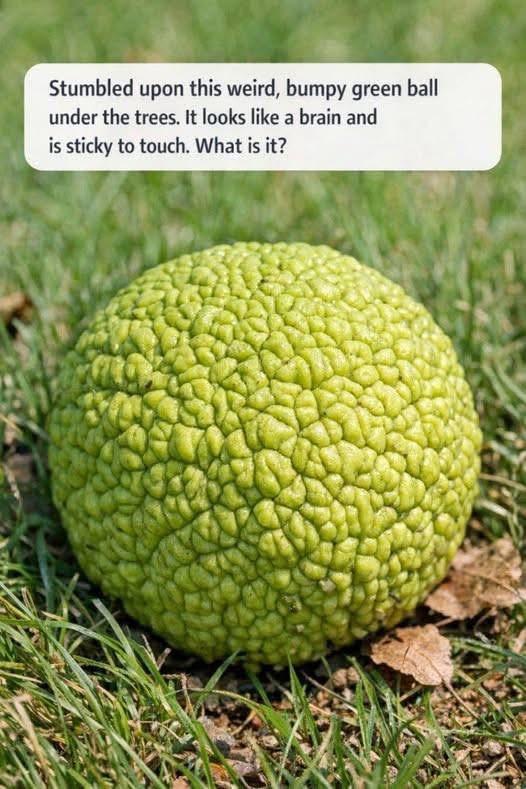
If you have ever walked through a park or forest trail in late summer or autumn and spotted a bright, bumpy, yellow-green fruit that resembles a brain or a soft softball, you have likely encountered an Osage orange. Also known as a hedge apple, monkey ball, or horse apple, this unusual fruit comes from the Maclura pomifera tree, native to the central United States. While its distinctive texture and sticky white sap spark curiosity, understanding its origins and practical uses reveals a fascinating piece of North American natural history.
Exploring the botanical facts about Osage oranges, understanding their traditional uses, and recognizing property safety around these trees can help homeowners and nature lovers appreciate this unique plant.
What Is an Osage Orange Fruit?
Despite its common name, the Osage orange is not closely related to citrus fruits; it belongs to the Mulberry (Moraceae) family.
1. Distinctive Texture and Milky Sap
The fruit grows up to 3 to 6 inches in diameter with a deeply wrinkled, brain-like surface. When bruised, cut, or punctured, the fruit releases a sticky, milky white latex sap that can irritate sensitive skin and leave sticky residues on shoes or clothing.
2. Historical Value as a Natural Fence
In the 19th century, before the invention of barbed wire, farmers planted dense rows of Osage orange trees along property lines. The tree’s sharp thorns and interlocking branches created impenetrable livestock fences, giving rise to its nickname, “hedge apple.”
3. Extremely Durable Wood
The wood of the Osage orange tree is famous for being exceptionally hard, dense, and rot-resistant. Historically used by Native American tribes (particularly the Osage Nation) to craft high-quality archery bows, the wood is still prized today for fence posts, tool handles, and woodworking.
Common Uses, Myths, and Safety Considerations
While Osage oranges have a long history in North America, several urban legends and safety precautions surround the fruit.
Are Osage Oranges Edible?
Although not toxic to humans, Osage oranges are generally considered inedible due to their extremely tough, fibrous texture, bitter taste, and sticky sap. Small animals like squirrels occasionally eat the seeds inside, but humans and domestic pets usually avoid them.
Do Hedge Apples Repel Spiders and Pests?
A widespread Midwestern folklore belief claims that placing Osage oranges in basements or near doorways deters spiders, roaches, and mice. While compounds extracted from the fruit (such as elemol) have shown mild insect-repelling properties in laboratory settings, placing whole fruits around the home has not been proven scientifically effective and can cause floor stains as the fruit decays.
Homeowner Safety, Tree Maintenance, and Property Insurance
Osage orange trees grow rapidly and require proper yard management to maintain safe outdoor spaces.
Heavy Falling Fruit Hazards
During autumn, mature trees drop dozens of heavy, dense hedge apples weighing over a pound each. Falling fruit can cause minor injuries or damage vehicles parked directly beneath tree canopies. Homeowners should prune overhanging branches to prevent property damage.
Property Insurance and Landscaping Safety
Maintaining large trees on residential property helps mitigate storm risks and fallen limb hazards. Standard homeowners insurance policies generally protect against sudden tree-related property damage, but keeping yards clear of heavy debris and decaying fruit ensures safe living spaces.
Practical Tips for Handling Osage Oranges
- Wear Gloves When Handling: The milky latex sap inside the fruit is extremely sticky and difficult to wash off hands and clothes.
- Keep Off Lawn Mower Paths: Clear hedge apples from lawns before mowing, as striking a dense fruit can damage mower blades or launch heavy debris.
- Repurpose as Natural Decor: Fresh, intact Osage oranges make striking seasonal autumn centerpieces for outdoor porch displays.
Frequently Asked Questions (FAQ)
What is another name for an Osage orange?
Osage oranges are commonly called hedge apples, monkey balls, horse apples, or green brain fruits.
Are Osage oranges poisonous to dogs or cats?
The fruit is not inherently poisonous, but eating large chunks can present a serious choking hazard or gastrointestinal blockage for pets due to its tough, fibrous nature.
Does homeowners insurance cover damage from falling trees or branches?
Yes. Standard homeowners insurance policies typically cover damage caused by falling trees, limbs, or heavy debris landing on covered structures like roofs or garages.
