
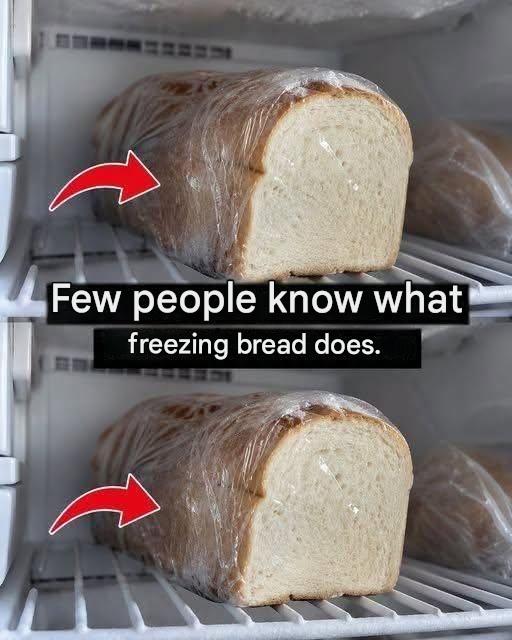
Bread is a staple food in households across the globe, serving as the foundation for breakfasts, lunches, and quick meals. However, one of the most common challenges consumers face is keeping bakery products fresh. Within days of purchase, a fresh loaf can quickly go stale or develop unwanted mold. To combat food waste and save money on grocery budgets, millions of people turn to the freezer.
While freezing food is a common preservation method, few people understand the underlying food science, starch transformation, and nutritional changes that occur when bread undergoes freezing and subsequent thawing. Recent nutritional studies have highlighted fascinating health benefits associated with frozen and reheated bread, particularly regarding blood sugar spikes and gut health.
In this comprehensive guide, we will explore the science of starch retrogradation, how freezing bread affects digestion and blood glucose levels, practical tips for preserving flavor and texture, and how smart kitchen habits impact your household financial health.
The Science of Starch: What Happens to Bread When It Freezes?
To understand how temperature affects baked goods, we must look at the structural components of flour, water, and starch. Bread dough primarily consists of two starch molecules derived from flour: amylose and amylopectin.
The Staling Process vs. Freezing
When fresh bread comes out of the oven, its starch molecules are in an expanded, gelatinized state, giving the loaf its soft, springy crumb. As bread cools and sits at room temperature over several days, water migrates away from the starch crystals. This process, known as starch retrogradation, turns the soft structure hard and dry—causing the bread to go stale.
Refrigerating bread actually accelerates retrogradation because cool, non-freezing temperatures speed up the crystallization of starch molecules. Freezing, on the other hand, rapidly halts water migration by locking liquid into ice crystals, effectively pausing the aging process and keeping the bread structurally preserved for months.
Health and Nutritional Benefits of Freezing and Toasting Bread
Beyond stopping mold growth and staling, freezing bread actually changes its chemical structure in ways that offer surprising health benefits, particularly for blood sugar regulation and digestive wellness.
1. Creation of Resistant Starch
When bread is frozen and subsequently thawed or toasted, the starch molecules realign into a tight structure that human digestive enzymes have a harder time breaking down. This altered starch is classified as resistant starch.
- Lower Glycemic Impact: Resistant starch acts more like dietary fiber than a simple carbohydrate. Because it digests slowly, it releases glucose into the bloodstream at a gradual rate, helping prevent rapid spikes in blood sugar and insulin.
- Sustained Energy: By slowing down carbohydrate absorption, consuming thawed or toasted frozen bread helps maintain steady energy levels and keeps you feeling full longer, aiding in weight management.
2. Supporting Gut Health as a Prebiotic
Resistant starch passes through the stomach and small intestine without being fully digested. Once it reaches the large intestine, it serves as fuel for beneficial gut bacteria.
- Production of Short-Chain Fatty Acids (SCFAs): Microbes in the gut ferment resistant starch into short-chain fatty acids like butyrate. Butyrate plays a key role in reducing gut inflammation, strengthening the intestinal barrier, and supporting overall immune health.
- Improved Microbiome Diversity: Regularly consuming prebiotic fibers and resistant starches fosters a healthier, more diverse gut microbiome, which is linked to better overall metabolic health.
Financial Benefits: Saving Money on Groceries and Food Waste
In an era of rising inflation and food costs, food waste represents a significant leak in the average family budget. Throwing away half-eaten loaves of moldy or stale bread adds up to substantial financial loss over the course of a year.
Maximizing Your Food and Grocery Budget
Integrating freezer storage into your weekly meal planning is a practical financial strategy.
- Bulk Buying and Discounts: Freezing allows you to buy artisanal or commercial bread in bulk when sales occur, significantly lowering your overall monthly grocery bill.
- Reducing Waste: According to environmental and agricultural studies, bread is among the most wasted food products globally. Freezing sliced loaves ensures that you only thaw the exact amount you plan to consume at any given moment.
Economic Resilience and Smart Personal Finance
Financial wellness begins with small, consistent household habits. The money saved by eliminating unnecessary food waste can be redirected toward emergency savings, paying down credit card balances, managing mortgage payments, or building long-term investment funds. Managing small household expenses thoughtfully contributes directly to broader personal financial stability.
Step-by-Step Guide: How to Freeze and Thaw Bread Perfectly
While freezing bread preserves its nutrition and usability, doing it incorrectly can lead to freezer burn, excess moisture, and soggy crusts. Follow these best practices to maintain bakery-quality texture and flavor.
How to Freeze Bread Correctly
- Slice the Loaf Before Freezing: Pre-slicing bread allows you to pull out individual slices without having to thaw the entire loaf, minimizing exposure to temperature fluctuations.
- Double Wrap for Protection: Wrap the bread tightly in plastic wrap or aluminum foil to keep air out, then place it inside a heavy-duty, resealable freezer bag. Eliminating air prevents freezer burn and ice crystal buildup on the crust.
- Label and Date the Package: Bread retains optimal quality in the freezer for up to three months. Labeling the bag ensures you use older loaves before freezing new ones.
How to Thaw and Reheat Bread for Best Results
- Toasting directly from frozen: Place frozen slices straight into a standard toaster or toaster oven. Toasting restores crispness to the crust while warming the crumb evenly.
- Oven refreshing for whole loaves: If thawing an entire artisan loaf, sprinkle the outer crust lightly with water and place it in a preheated oven at 350°F (175°C) for 10 to 15 minutes. The steam will reactivate the starch, producing a freshly baked, crispy crust and tender interior.
- Avoid room temperature thawing in plastic: Leaving frozen bread inside a sealed plastic bag at room temperature causes trapped condensation to soak into the crust, resulting in soggy bread.
Fascinating Facts About Bread and Temperature Science
- The Refrigerator Trap: Storing bread in a standard refrigerator (around 40°F or 4°C) makes it go stale up to three times faster than keeping it at room temperature due to peak starch crystallization speeds.
- Ancient Preservation: Before modern refrigeration, traditional baking cultures used sourdough fermentation to lower the bread’s pH, naturally extending its shelf life without artificial preservatives.
- The Sourdough Advantage: Freezing sourdough bread combined with its natural fermentation process creates even higher levels of resistant starch, making it an excellent option for health-conscious consumers.
Practical Tips for Healthier Carbs and Smarter Kitchen Habits
Transforming simple food preparation techniques into healthy habits requires minimal effort while offering substantial long-term benefits for your family’s health and budget.
Choose Whole Grain and Sourdough Varieties
To maximize nutritional value, select whole wheat, sprouted grain, or authentic sourdough breads. These options offer higher fiber content, essential vitamins, and minerals compared to heavily refined white breads.
Pair Carbohydrates with Healthy Fats and Proteins
When consuming thawed or toasted bread, pair it with healthy fats or lean proteins—such as avocado, olive oil, eggs, or peanut butter. This further stabilizes blood sugar levels and enhances nutrient absorption.
Conclusion
Freezing bread is far more than a simple storage trick to prevent mold—it is a scientifically proven method that alters starch structure, increases resistant starch, lowers glycemic impact, and supports digestive health. By adopting proper freezing and thawing techniques, you can enjoy fresh, delicious bread anytime while eliminating food waste, saving money on groceries, and taking a proactive step toward healthier living.
Frequently Asked Questions (FAQ)
Does freezing bread reduce its calories?
Freezing bread does not significantly alter the total calorie count, but it changes how your body processes those calories. The increase in resistant starch means that a portion of the carbohydrates passes through the digestive tract unabsorbed, leading to a lower glycemic response and improved gut health.
How long can bread stay frozen before going bad?
Bread can be safely frozen for up to 3 to 6 months. While it remains safe to eat indefinitely if kept constantly at 0°F (-18°C), prolonged storage beyond three months may lead to freezer burn and a loss of flavor and texture quality.
Is it better to freeze whole loaves or sliced bread?
Slicing bread before freezing is usually much more convenient. It allows you to pull out exact portions as needed without repeatedly thawing and refreezing the remaining loaf, which degrades quality.
Why shouldn’t I store bread in the refrigerator?
Refrigerators operate at temperatures that accelerate starch retrogradation (crystallization). This causes bread to lose moisture and turn stale significantly faster than if left at room temperature or placed directly into the freezer.
