
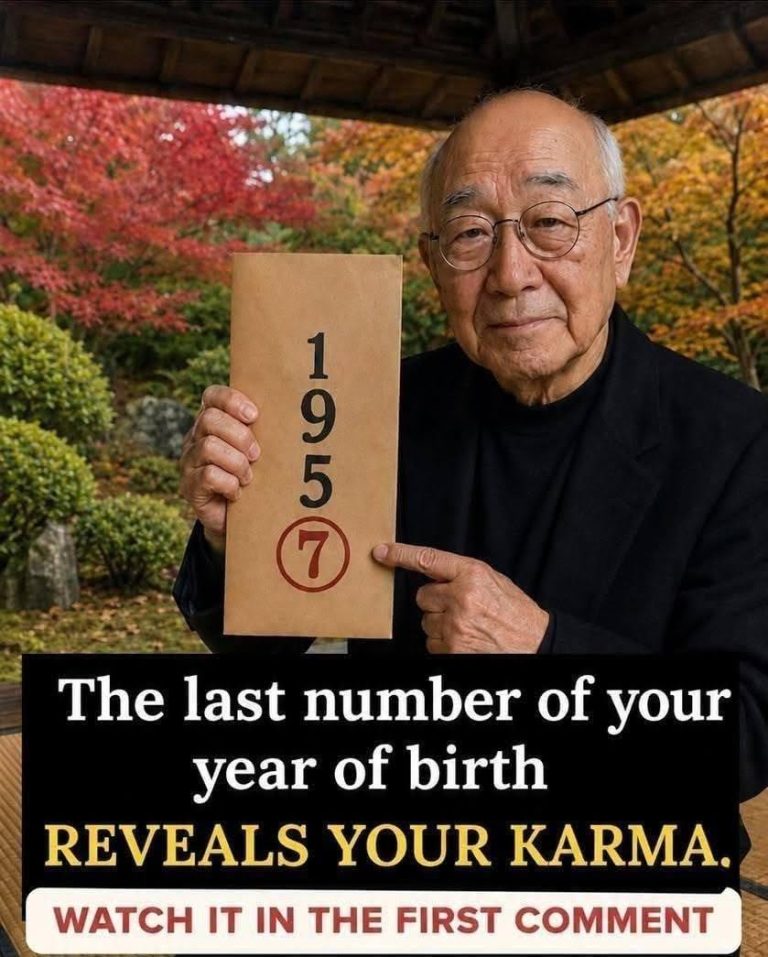
Throughout human history, people have sought ways to understand their destiny, personality traits, and life path through various systems of symbolism, astrology, and numerology. From ancient divination practices to modern personality typing, the desire to decode the mysteries of our existence remains deeply ingrained in human culture. A popular concept that frequently captures public curiosity involves examining the numbers associated with our birth—specifically, looking at the final digit of our birth year to uncover hidden insights about our personal karma and character.
While numerology is not an exact science, it provides a fascinating framework for self-reflection, mindfulness, and personal storytelling. Exploring how numerical symbolism, cultural beliefs, and psychological self-evaluation intersect sheds light on why these engaging concepts continue to captivate our imagination across generations.
The Origins of Numerology and Number Symbolism
Numerology is an ancient esoteric practice based on the belief that numbers hold mystical or spiritual significance. Civilizations such as the ancient Babylonians, Egyptians, Greeks, and Chinese all developed systems where numbers correlated with cosmic forces, elemental energies, or human characteristics.
In modern Western and Eastern numerology traditions, single digits from zero through nine are often assigned unique vibrations or archetypal themes. When applied to birth years, these digits are believed by enthusiasts to highlight certain innate strengths, life lessons, or karmic tendencies.
Core Themes Associated with Birth Year Digits
- Leadership and Independence: Numbers ending in certain digits are often linked to pioneering spirits, strong willpower, and self-reliance.
- Empathy and Intuition: Other digits are traditionally associated with emotional depth, relational harmony, and intuitive decision-making.
- Creativity and Transformation: Certain numbers symbolize dynamic change, adaptability, and artistic expression.
Financial, Legal, and Psychological Aspects of Self-Reflection
Engaging with personality tests, numerology charts, or philosophical introspection is ultimately a form of self-exploration. Psychologists note that exploring these frameworks can act as a mirror, helping individuals process their goals, recognize behavioral patterns, and cultivate greater self-awareness.
When individuals seek deeper clarity on life paths, career choices, or personal milestones, they often consult various advisory resources. Just as sound financial planning, investment strategies, and legal counsel provide structure and security for major life decisions, mental and emotional self-reflection provides a psychological foundation for personal growth and fulfillment.
Practical Tips for Engaging with Self-Reflection and Personal Growth
Whether you enjoy exploring numerology for fun or use introspective tools for personal development, keeping a grounded perspective is key. Consider these practical tips to enrich your journey of self-discovery:
- Use personality frameworks and number quizzes as lighthearted tools for reflection rather than absolute rules for your life choices.
- Maintain a personal journal to record your goals, emotional milestones, and reflections on your personal growth over time.
- Balance introspective hobbies with practical action, focusing on tangible steps to improve your career, health, and relationships.
- Engage in open, lighthearted conversations with friends and family to see how different people interpret personality and destiny trends.
- Prioritize mental well-being by combining mindfulness practices with continuous lifelong learning.
Interesting Facts About Numbers and Cultural Symbolism
- The number zero is traditionally viewed in various mathematical and philosophical systems as a symbol of infinite potential and wholeness.
- Different cultures attribute vastly different meanings to specific numbers; for instance, some numbers are considered exceptionally lucky or unlucky based on linguistic sound associations.
- Numerological concepts were heavily studied by ancient mathematicians like Pythagoras, who believed that the universe could be understood through numerical harmony.
- Modern viral social media content often utilizes interactive number-based prompts because they encourage quick engagement and shared community discussions.
- Self-reflection exercises have been shown in psychological studies to enhance emotional regulation and self-awareness.
Conclusion
The idea that the final digit of your birth year can reveal your karma or life path is a captivating blend of ancient numerology and modern social curiosity. Whether viewed as a playful online trend or a deeper philosophical prompt, exploring these ideas encourages us to reflect on our character, personal history, and outlook on life. Ultimately, our path is shaped not by numbers alone, but by the choices we make every day.
Frequently Asked Questions
What is numerology?
Numerology is an ancient belief system that attributes mystical, spiritual, or symbolic meanings to numbers, particularly those related to a person’s birth date or name.
Does the last digit of a birth year scientifically determine personality?
No, there is no scientific evidence supporting the idea that birth year digits dictate personal traits or karma; these concepts are used primarily for entertainment and self-reflection.
Why are number-based quizzes so popular on social media?
They offer an interactive, highly personalized experience that sparks curiosity, drives engagement, and encourages users to share their results with friends.
Can self-reflection tools improve personal well-being?
Yes, engaging in reflective exercises—whether through journaling, meditation, or personality frameworks—can help individuals gain clarity and mindfulness.
