
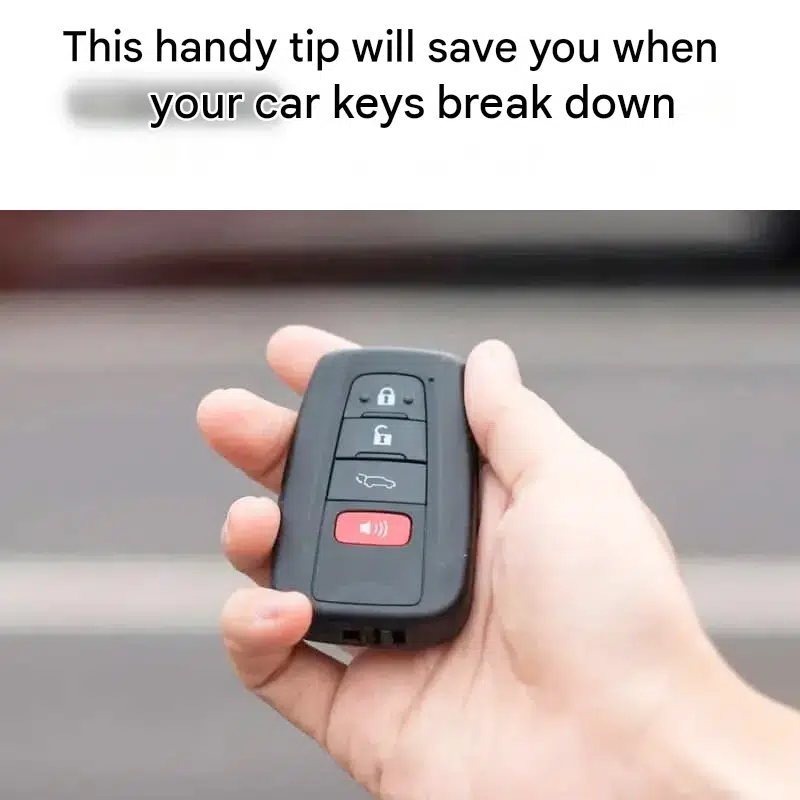
Modern automotive technology has transformed how we access and start our vehicles. Gone are the days of fumbling with traditional metal keys and manual door locks; today, keyless entry systems and electronic smart fobs allow us to unlock and start our cars effortlessly with the push of a button. However, this high-tech convenience introduces a stressful vulnerability: what happens when your key fob battery dies, malfunctions, or stops working altogether?
Finding yourself stranded in a parking lot because your electronic car key refuses to respond can cause instant panic. Fortunately, automotive engineers design backup mechanical solutions and emergency override procedures into almost every modern vehicle.
In this comprehensive guide, we will explore the common reasons behind key fob failures, how to access your vehicle using emergency mechanical keys, troubleshooting steps for dead batteries, and practical ways to protect your car, assets, and peace of mind.
Understanding Modern Key Fob Technology
To handle a key fob failure effectively, it helps to understand how modern keys operate. A key fob is essentially a miniature radio transmitter powered by a small internal lithium coin cell battery. It communicates continuously or on-demand with your car’s onboard computer via encrypted radio frequencies.
When a fob fails, it is usually due to one of a few common culprits:
- Depleted Battery: The internal coin cell battery has lost its charge over time.
- Signal Interference: Strong electromagnetic fields from nearby radio towers, power lines, or electronic devices can block the fob’s signal.
- Internal Transponder Malfunction: Physical drop damage or water exposure can disrupt the microchip inside the fob.
10 Handy Tips for Handling a Car Key Fob Failure
1. Locate the Hidden Mechanical Key
Almost all smart key fobs feature a hidden traditional metal key tucked discreetly inside the plastic housing, accessible via a small release latch or sliding button.
2. Open Manual Door Locks
Use the hidden mechanical emergency key to open the driver’s side door manually, as most modern cars feature a concealed key cylinder beneath a small plastic cap on the door handle.
3. Understanding Passive Start Backup Systems
If your key fob battery is completely dead, your car’s push-button start system can still detect the fob’s passive transponder chip if you hold the key directly against the start button or insert it into a designated backup slot on the steering column or center console.
4. Replacing Coin Cell Batteries
Keep a spare CR2032 or CR2025 lithium coin cell battery in your glove compartment so you can quickly swap out a dead fob battery on the spot.
5. Reprogramming and Resyncing Fobs
Sometimes a fob loses its pairing with the vehicle’s computer. Consult your owner’s manual for specific vehicle-sequence steps to resync the remote.
6. Protecting Your Key Fob from Moisture
Keep your smart key away from water, moisture, and extreme temperatures to prevent internal electronic corrosion.
7. Reviewing Comprehensive Auto Insurance
Ensure your auto insurance policy includes roadside assistance, locksmith services, and key replacement coverage in case you lose your keys entirely.
8. Maintaining Spare Key Sets
Always keep a programmed spare key fob safely stored at home rather than carrying all your keys on a single ring.
9. Upgrading Security and Emergency Contacts
Save reliable automotive locksmith and roadside assistance numbers in your smartphone contacts for quick access during travel emergencies.
10. Financial and Asset Preparedness
Knowing how to troubleshoot automotive emergencies prevents expensive towing fees and reduces stress during unexpected delays.
Comparison: Traditional Metal Keys vs. Modern Smart Fobs
To help evaluate vehicle access methods, review the following comparison table:
| Key Type | Primary Advantage | Vulnerability or Disadvantage | Emergency Backup Method |
| Traditional Metal Key | Simple, mechanical, never runs out of battery. | Can break off in locks or be easily picked. | Spare physical copies. |
| Electronic Smart Fob | Keyless entry, push-button start, high security. | Relies on internal batteries and radio signals. | Hidden mechanical key and passive RFID start backup. |
       ┌────────────────────────────────────────────────────────┐
       │     Encountering a Dead or Malfunctioning Key Fob      │
       └───────────────────────────┬────────────────────────────┘
                                   │
                                   ▼
       ┌────────────────────────────────────────────────────────┐
       │    Release Hidden Mechanical Key & Unlock Door Manually│
       └───────────────────────────┬────────────────────────────┘
                                   │
                    ┌──────────────┴──────────────┐
                    ▼                             ▼
       ┌────────────────────────┐    ┌────────────────────────┐
       │ Use Passive Push-Button│    │ Protect Financial Assets│
       │ Start Backup Slot      │    │ & Roadside Assistance   │
       └────────────────────────┘    └────────────────────────┘
Practical Tips for Roadside Preparedness
Being prepared for electronic malfunctions ensures you stay calm and mobile:
- Know Your Car’s Manual: Read the section of your vehicle owner’s manual dedicated to “Starting the Vehicle with a Dead Key Fob” before an emergency happens.
- Inspect Key Fob Housing: If your fob casing cracks or buttons stick, replace the shell casing immediately to protect the delicate circuit board inside.
- Keep Spare Batteries Handy: A cheap pack of coin cell batteries in your glove box can solve a dead fob emergency in under two minutes.
Financial, Insurance, and Legal Considerations
Managing automotive electronics also involves practical financial and insurance awareness:
- Key Replacement Costs: Replacing a lost or broken smart key fob through a dealership can be costly. Check if your insurance covers key replacement benefits.
- Roadside Assistance Benefits: Utilizing professional roadside assistance prevents unnecessary out-of-pocket towing expenses.
- Protecting Vehicle Assets: Keeping spare keys secure and maintaining vehicle locks preserves overall automotive safety and resale value.
Fascinating Facts About Automotive Key Evolution
- The First Remote Lock: Infrared keyless entry systems were first introduced in luxury passenger cars during the early 1980s before transitioning to radio frequency fobs.
- RFID Technology: Modern smart fobs use Radio Frequency Identification (RFID) transponder chips that communicate with security coils around the ignition switch without requiring battery power.
- The Rise of Smartphone Keys: The latest automotive technology allows drivers to use secure smartphone apps via Bluetooth and Near Field Communication (NFC) as digital vehicle keys.
Frequently Asked Questions (FAQ)
How do I start my car if my key fob battery is completely dead?
Most push-button start vehicles have a backup system. You can usually hold the dead fob directly against the start button or place it in a specific emergency slot in the console, allowing the car’s security antenna to read the transponder chip.
Where is the hidden mechanical key located on a smart fob?
Most smart fobs feature a small sliding switch or release button on the side or back. Sliding this switch allows you to pull out a traditional metal emergency key.
Can I replace a key fob battery myself?
Yes! Most key fobs can be easily pried open using a coin or small flathead screwdriver to replace the internal coin cell battery (usually a CR2032) in just a few minutes.
Conclusion: Never Get Stranded by a Dead Key Fob Again
Encountering a dead or malfunctioning car key fob can feel alarming, but knowing the secret emergency features built into your vehicle changes everything. By locating your hidden mechanical key, understanding passive start backups, and keeping spare batteries in your glove box, you can handle any key emergency with absolute confidence!
