
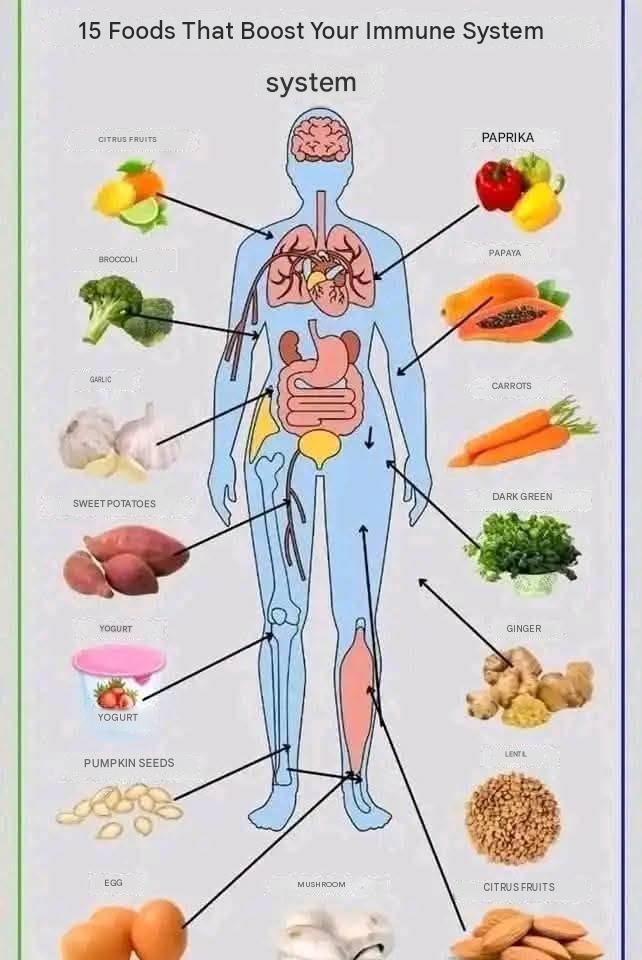
Maintaining a resilient, well-nourished immune system is one of the most effective ways to safeguard your overall health, vitality, and daily performance. The immune system is a complex network of cells, tissues, organs, and chemical messengers working around the clock to defend the body against foreign invaders, seasonal pathogens, and environmental stressors.
While genetics, sleep hygiene, physical exercise, and stress management play significant roles in immune function, nutrition serves as the biological foundation of immune defense. What you put on your plate directly provides the raw building blocks—vitamins, minerals, antioxidants, and macronutrients—required to build strong defense cells and regulate inflammatory responses.
This comprehensive guide explores 15 nutrient-dense foods known for their immune-supporting properties, examining how their specific bioactive compounds function within the body, practical meal integration tips, and key insights into preventive health, healthcare planning, and long-term wellness.
1. The Science of Immune Defense and Nutrition
To understand how specific foods strengthen immune responses, it helps to examine how the immune system operates on a cellular level.
Innate vs. Adaptive Immunity
- Innate Immunity: The body’s first line of defense, providing rapid, non-specific protection. This includes physical barriers like the skin and mucous membranes, as well as specialized white blood cells like neutrophils and macrophages.
- Adaptive Immunity: The body’s targeted defense system, which learns to recognize specific pathogens over time. Specialized lymphocytes—such as T cells and B cells—produce antibodies that neutralize specific threats.
How Micronutrients Drive Defense Mechanisms
Immune cells require continuous supplies of specific micronutrients to proliferate, communicate, and clear pathogens:
- Vitamin C: Stimulates the production and activity of white blood cells while acting as a powerful antioxidant that protects immune tissues from self-damaging oxidative stress.
- Zinc: Crucial for white blood cell development, signal transduction, and tissue repair.
- Vitamin A and Beta-Carotene: Essential for keeping skin and mucosal linings (in the lungs, mouth, and gut) intact to block pathogen entry.
- Antioxidants: Neutralize free radicals, keeping cellular inflammation balanced and preventing tissue wear.
2. Top 15 Immune-Boosting Foods Explained
Integrating a colorful variety of nutrient-dense whole foods into your daily diet ensures your immune system receives full-spectrum protection.
1. Citrus Fruits (Oranges, Lemons, Limes, Grapefruits)
Citrus fruits are famous for their exceptionally high Vitamin C content. Because the human body does not synthesize or store Vitamin C, daily dietary intake is essential. Vitamin C boosts white blood cell production, helping the body fight off seasonal colds and upper respiratory infections.
2. Broccoli
Broccoli is a nutritional powerhouse packed with vitamins A, C, and E, as well as fiber and potent antioxidants. It is particularly rich in sulforaphane, a compound that activates antioxidant pathways and supports cellular defense against inflammation.
3. Garlic
Garlic has been valued for centuries for its natural medicinal qualities. When crushed or chopped, garlic produces allicin, a volatile sulfur compound with natural antibacterial, antiviral, and antifungal properties that support respiratory and cardiovascular health.
4. Sweet Potatoes
Rich in beta-carotene (which the body converts into Vitamin A), sweet potatoes help maintain healthy skin and mucous membranes. Skin is the body’s primary physical defense barrier against external bacteria and viruses.
5. Yogurt and Fermented Foods
A vast portion of the human immune system resides within the gastrointestinal tract. Plain yogurt containing live active cultures provides probiotics—beneficial bacteria that nourish the gut microbiome, enhance intestinal barrier integrity, and train immune cells to respond appropriately to threats.
6. Pumpkin Seeds
Pumpkin seeds are an outstanding plant source of zinc and magnesium. Zinc plays a pivotal role in immune cell development, inflammation control, and rapid wound healing.
7. Eggs
Eggs offer complete protein containing all nine essential amino acids needed for antibody synthesis and cellular repair. Egg yolks are also a natural source of Vitamin D, a nutrient critical for regulating both innate and adaptive immune responses.
8. Paprika and Bell Peppers
Red, yellow, and orange bell peppers—as well as ground paprika—contain nearly double the Vitamin C found in citrus fruits weight-for-weight. They are also rich in beta-carotene, promoting both eye health and immune resilience.
9. Papaya
Papayas are loaded with Vitamin C, folate, potassium, and papain—a specialized digestive enzyme with anti-inflammatory effects that support gut health and efficient nutrient absorption.
10. Carrots
Carrots are synonymous with eye health, but their high beta-carotene and Vitamin B6 content also make them essential for immune defense. Vitamin B6 supports red blood cell formation and chemical signaling within immune networks.
11. Dark Green Leafy Vegetables (Spinach, Kale, Swiss Chard)
Leafy greens are packed with Vitamin C, Vitamin E, folate, and numerous carotenoids. Vitamin E is a fat-soluble antioxidant that protects cell membranes from oxidative damage, ensuring immune cell integrity.
12. Ginger
Ginger contains gingerol, a bioactive compound known for its strong anti-inflammatory and antioxidant properties. Ginger helps soothe sore throats, reduce nausea, and calm systemic inflammatory responses during illness.
13. Lentils and Legumes
Lentils provide abundant plant-based protein, iron, zinc, and B vitamins. Iron is essential for carrying oxygen via hemoglobin to immune tissues, ensuring defense cells have energy to function efficiently.
14. Mushrooms (Button, Shiitake, Reishi)
Mushrooms are rich in beta-glucans, complex sugars that act as natural biological response modifiers. Beta-glucans bind to receptors on immune cells, essentially priming macrophages and natural killer (NK) cells to respond more quickly to potential infections.
15. Almonds and Tree Nuts
Almonds are a concentrated source of Vitamin E and healthy unsaturated fats. Because Vitamin E is fat-soluble, the natural healthy fats in almonds ensure optimal absorption, supporting healthy cell membranes throughout the cardiovascular and immune systems.
3. Practical Meal Planning Strategies for Optimal Immunity
Knowing which foods support immunity is only the first step; incorporating them into simple, sustainable daily habits ensures consistent health benefits.
The Rainbow Plate Rule
Aim to consume foods spanning the full color spectrum every day:
- Red/Orange: Paprika, red peppers, sweet potatoes, carrots, papaya.
- Green: Broccoli, spinach, kale, dark greens.
- Yellow/White: Garlic, citrus, yogurt, mushrooms.
- Brown/Nuts: Almonds, lentils, pumpkin seeds.
Preparation Tips to Maximize Nutrient Retention
- Light Steaming Over Boiling: Water-soluble vitamins like Vitamin C and B-complex vitamins can leach into boiling water. Lightly steaming or roasting vegetables like broccoli and spinach preserves maximum nutrient density.
- Crush Garlic and Wait: Crush or chop garlic and let it rest on the cutting board for 10 minutes before heating. This allows enzymes to activate maximum allicin production.
- Pair Iron with Vitamin C: Pair plant-based iron sources (lentils, spinach) with Vitamin C rich foods (citrus, peppers) to dramatically boost iron absorption.
4. Preventive Health, Healthcare Navigation, and Financial Planning
Taking active control of your nutritional intake forms a key foundation of preventive health. Investing in proactive wellness yields significant personal and financial benefits over a lifetime.
The Economics of Preventive Health
Maintaining strong physical immunity through wholesome nutrition lowers the risk of lifestyle diseases and seasonal illnesses that disrupt personal productivity and generate unexpected costs:
- Lower Healthcare Costs: Routine preventive health practices—such as balanced nutrition, hydration, and regular health checkups—reduce long-term medical expenditures, out-of-pocket prescription costs, and emergency medical visits.
- Health Insurance Management: Proactive health care aligns directly with modern health insurance frameworks. Many insurance policies now offer wellness incentives, covered preventive screenings, and discounts for proactive health tracking.
Professional Consultations and Legal Safeguards
For individuals managing chronic health conditions, autoimmune disorders, or specialized dietary requirements, consulting a registered dietitian or medical specialist is recommended:
- Navigating Health Services: Working with qualified medical professionals ensures nutritional strategies complement prescribed treatments safely.
- Legal and Patient Advocacy: Understanding health rights, managing medical coverage, and consulting legal services or patient advocates when navigating complex treatment coverage ensures individuals receive necessary care while protecting their financial stability.
5. Fascinating Facts About Foods and Immunity
- The Power of Bell Peppers: Ounce-for-ounce, red bell peppers contain more than twice the Vitamin C of a typical orange.
- Ancient Garlic Rations: Ancient Egyptian pyramid builders were given daily rations of raw garlic to boost physical endurance and prevent rampant illness in worker camps.
- Gut Immune Connection: Approximately 70% to 80% of the entire human immune system resides directly within the gastrointestinal tract in the form of gut-associated lymphoid tissue (GALT).
- Mushroom Vitamin D: Mushrooms are one of the only non-animal foods capable of producing Vitamin D naturally when exposed to ultraviolet (UV) sunlight.
6. Frequently Asked Questions (FAQ)
Can eating immune-boosting foods prevent me from ever getting sick?
No diet can make a person immune to all infections. However, eating a nutrient-dense diet ensures your immune system has the necessary resources to fight off pathogens more effectively, potentially reducing the severity and duration of illnesses.
Is it better to get vitamins from whole foods or supplements?
Nutrient intake from whole foods is generally superior because foods contain complex matrices of vitamins, minerals, fiber, and phytochemicals that work synergistically. Supplements can help fill specific nutritional gaps but should not replace a balanced diet.
How does gut health affect physical immunity?
Gut bacteria interact directly with immune cells lining the intestinal wall. A healthy, diverse gut microbiome trains immune cells to distinguish between harmless compounds and dangerous pathogens, preventing inappropriate inflammatory responses.
How much Vitamin C do I need daily?
The recommended daily allowance (RDA) for adults is generally 75 mg to 90 mg per day. A single medium orange or half a red bell pepper easily provides more than 100% of this daily requirement.
Does cooked spinach lose its nutritional value?
While cooking slightly reduces heat-sensitive Vitamin C, it shrinks spinach volume significantly, allowing you to consume more overall nutrients. Additionally, cooking breaks down oxalates, making minerals like iron and calcium easier for the body to absorb.
Conclusion: Nourishing Your Body for Lifelong Vitality
Building a strong immune system does not require expensive remedies or drastic dietary overhauls. By making conscious, consistent choices to fill your plate with vibrant whole foods—such as citrus, garlic, leafy greens, nuts, and fermented foods—you provide your body with the natural tools it needs to defend and repair itself.
True wellness begins with simple, everyday habits. Elevating your diet today protects your vitality, enhances long-term health outcomes, and forms the ultimate investment in your future well-being.
