
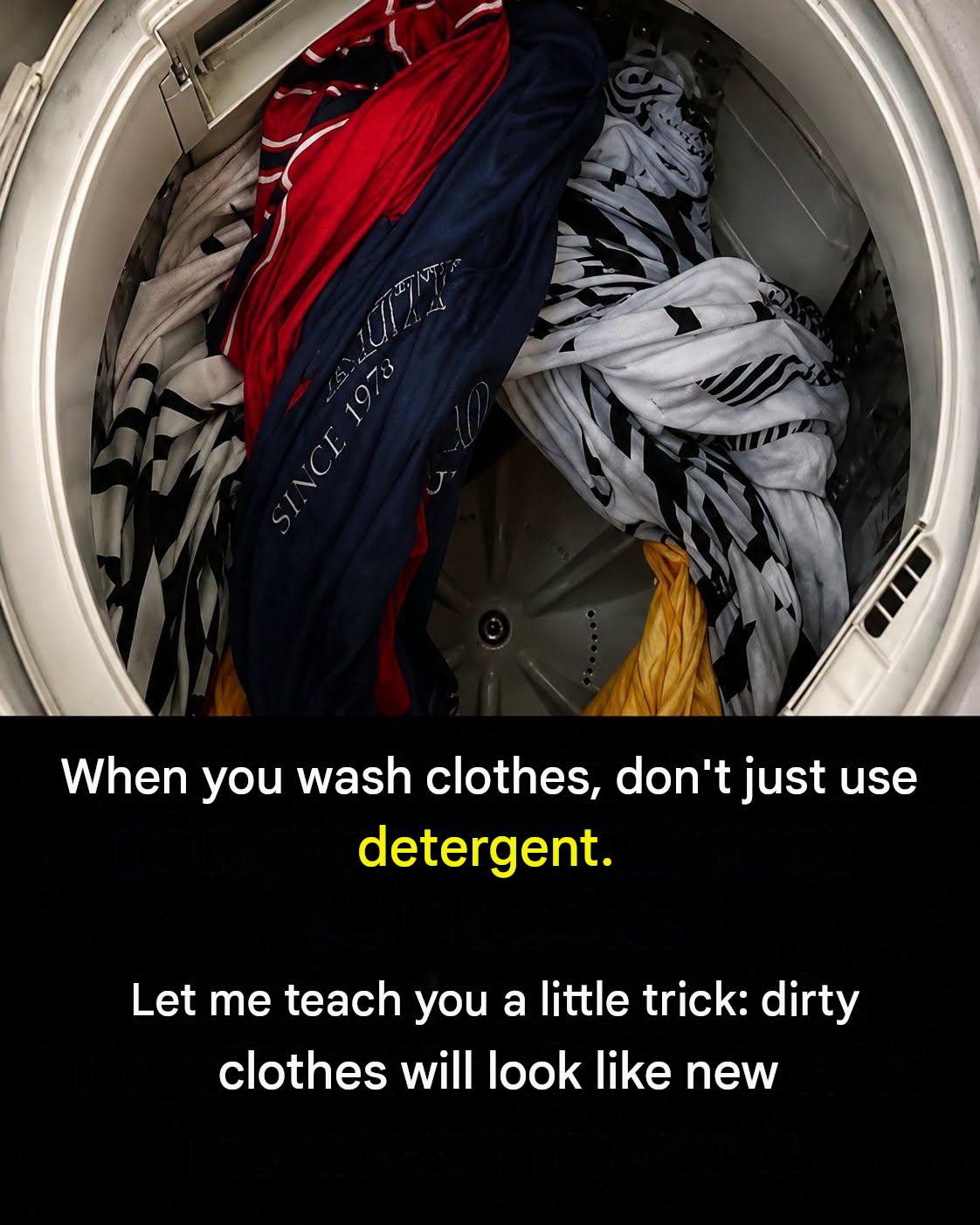
Doing laundry is a fundamental household task, yet many people struggle to keep their favorite clothes looking fresh, vibrant, and soft over time. Even high-end garments can lose their luster after several wash cycles, turning faded, stiff, or trapped with lingering odors that standard laundry detergent simply cannot eliminate.
While laundry detergent is designed to remove surface dirt and oils, relying on detergent alone is rarely enough to preserve fabric integrity, restore vibrancy, or deep-clean tough stains. Fortunately, professional laundry experts and smart homeowners rely on simple, cost-effective additives to enhance every wash load. Common household staples—such as white vinegar, baking soda, salt, and dish soap—can dramatically boost wash performance without damaging delicate fabrics.
This comprehensive guide explores why traditional detergents fall short, the top natural laundry boosters that bring old clothes back to life, practical techniques for removing stubborn stains, and key insights into appliance care, household budgeting, and property protection.
1. Why Standard Detergent Isn’t Always Enough
To understand how simple laundry additions work, it helps to examine how traditional laundry detergents interact with fabrics during a standard wash cycle.
1. The Problem with Detergent Residue
Commercial detergents contain surfactants that trap soil and suspend it in water so it can be rinsed away. However, modern washing machines—especially high-efficiency (HE) front-loaders and top-loaders—use less water than older models. When detergent is overused or fails to rinse completely, an invisible film builds up on clothing fibers. This buildup leads to several issues:
- Fading Colors: Detergent residue dulls deep blacks, vibrant reds, and rich blues, making clothes look aged and worn.
- Trapped Odors: Soap film can trap body bacteria within synthetic fibers, causing clothes to smell fresh initially but re-release unpleasant odors once warmed by body heat.
- Fabric Stiffness: Accumulated soap stiffens cotton fibers, making bath towels, denim, and t-shirts feel scratchy and uncomfortable.
2. Hard Water Challenges
A major culprit behind dingy clothing is hard water. Mineral ions such as calcium and magnesium react negatively with laundry detergent, forming sticky precipitates (soap scum). This prevents detergent from working effectively, forcing users to add more soap, which only worsens residue buildup over time.
2. Essential Natural Additives That Restore Clothes
Transforming your laundry routine doesn’t require expensive commercial boosters or heavy chemical sprays. Incorporating simple household ingredients into your wash loads yields remarkable results.
1. Distilled White Vinegar: The Universal Fabric Refresher
Distilled white vinegar is one of the most versatile and effective laundry additives available. Its mild acetic acid content acts as a natural water softener and residue stripper.
- Lifts Detergent Buildup: Adding 1/2 cup to 1 cup of white vinegar to the rinse cycle dissolves leftover soap scum and mineral deposits.
- Restores Color Vibrancy: By removing dulling residues, darks and bright colors instantly regain their original depth.
- Eliminates Mildew and Body Odors: Vinegar neutralizes acidic bacteria and eliminates persistent sweat and damp odors from activewear.
- Reduces Static and Fluffs Fabrics: Serves as a natural alternative to commercial liquid fabric softeners without leaving waxy coatings on fibers.
2. Baking Soda: Natural Brightener and Odor Eliminator
Sodium bicarbonate (baking soda) acts as a mild alkali, regulating pH levels in wash water to allow detergent to perform at its peak efficiency.
- Brightens Whites and Colors: Adding 1/2 cup of baking soda directly to the washing machine drum boosts cleaning power and brightens fabrics naturally.
- Neutralizes Tough Odors: Absorbs and neutralizes organic smells rather than masking them with artificial fragrances.
3. Table Salt: Fixing Dyes and Removing Sweat Stains
Plain table salt (sodium chloride) plays a powerful role in textile care:
- Locks in Dyes: Adding a tablespoon of salt to new colored items during their first wash helps set color pigments, preventing dye bleeding and fading.
- Removes Yellow Sweat Stains: A mild salt water soak helps break down proteins in yellow underarm stains before laundering.
4. Dish Soap: Pre-Treating Grease and Oil Stains
Liquid dish soap is engineered specifically to break down food grease and oils, making it an ideal pre-treater for stubborn oil splatters on shirts or pants. Applying a drop of liquid dish soap directly to grease spots before washing lifts the stain effortlessly.
3. Step-by-Step Techniques for Restoring Old Garments
If you have clothes that feel stiff, smell damp, or look completely faded, a targeted restoration treatment can breathe new life into them.
Method 1: The Laundry Refresh Soak
- Prepare the Tub: Fill a basin or tub with warm water.
- Add Ingredients: Mix in 1 cup of distilled white vinegar and 1/2 cup of baking soda.
- Soak: Submerge dull or smelly garments into the solution for 1 to 2 hours.
- Wash: Transfer garments directly to your washing machine and run a complete cycle using half your normal detergent amount.
Method 2: Dye-Bleed and Fading Recovery
- Separate Loads: Always separate darks, brights, and whites strictly.
- Cold Water Wash: Wash faded garments inside out using cold water and 1/2 cup of salt added directly to the drum. Cold water prevents dye release, while salt strengthens fiber bonds.
4. Proper Washing Practices for Long-Lasting Clothing
Adopting smart laundry habits ensures your wardrobe stays in top condition for years, saving money and reducing unnecessary garment turnover.
1. Measure Detergent Accurately
Using more detergent does not mean cleaner clothes. In fact, using too much detergent is the primary reason clothes become stiff and discolored. Follow dosage recommendations strictly based on load size and machine type.
2. Wash Clothes Inside Out
Turning garments inside out before washing protects outer fabric surfaces from friction against other clothes and the machine drum, reducing pilling, fading, and print wear.
3. Choose the Right Water Temperature
- Cold Water: Ideal for darks, bright colors, delicate fabrics, and general washing. Saves energy and prevents shrinkage and color fading.
- Hot Water: Reserved for bed linens, towels, white cottons, and heavily soiled workwear that require deep sanitization.
4. Air Dry When Possible
High heat from tumble dryers breaks down delicate elastic fibers (spandex, elastane) and causes fabric shrinkage over time. Whenever possible, air-drying clothes on racks or outdoor lines extends garment longevity and prevents heat-induced fading.
5. Home Management, Appliance Care, and Budgeting Insights
Taking care of your laundry extends to protecting your washing machine investment, managing home utilities, and making sound financial decisions for your household.
Washing Machine Maintenance and Care
A dirty washing machine cannot clean clothes properly. Mold, detergent scum, and mineral deposits accumulate inside machine drums and seals over time:
- Monthly Machine Clean: Run a hot cycle with 2 cups of white vinegar or a specialized washing machine cleaner once a month to remove internal buildup, odor, and mold.
- Door Seal Care: Wipe down rubber door gaskets on front-loading washers after every wash day to prevent standing water from breeding mold.
Financial Advantages of Wardrobe Preservation
Maintaining clothing properly carries significant economic benefits:
- Cost Savings: Extending the lifespan of clothing items cuts down on personal spending on replacement apparel, allowing households to allocate savings toward investments, retirement planning, or debt payoff.
- Appliance Protection: Using proper additive amounts prevents scale accumulation inside washer pumps and heating elements, avoiding costly plumbing or appliance repair bills.
- Home Insurance and Safety: Regularly cleaning dryer lint screens and ductwork prevents residential fire risks, keeping property safe and compliant with standard homeowners insurance safety guidelines.
6. Fascinating Facts About Clothing and Laundry Science
- Ancient Laundry Secrets: Before modern detergents were invented, ancient Romans used ammonia derived from aged urine to clean and bleach woolen garments in public laundries.
- The Cold Water Revolution: Modern cold-water laundry detergents are formulated with specialized enzymes that actively digest dirt and stains at temperatures as low as 60°F (15°C).
- Why Clothes Shrink: Shrinkage is caused by heat and mechanical agitation releasing tension created in fabric threads during factory manufacturing, causing fibers to relax back to their natural, shorter length.
- The Power of Sunlight: Outdoor air drying provides natural ultraviolet (UV) sterilization, which naturally breaks down bacteria and brightens white fabrics.
7. Frequently Asked Questions (FAQ)
Will adding vinegar make my clothes smell like salad dressing?
No. The sour vinegar smell completely dissipates during the rinse cycle and drying process, leaving behind clean, odor-free clothing.
Can I mix baking soda and vinegar together in the same compartment?
It is best to add them at different stages. Adding baking soda at the beginning of the wash cycle helps clean and brighten, while adding vinegar during the final rinse cycle acts as a residue stripper and fabric softener. Mixing them together directly causes a neutralization reaction that reduces their individual effectiveness.
Is white vinegar safe for all washing machines?
Yes, using moderate amounts (1/2 cup to 1 cup per load) during the rinse cycle is safe for modern top-loading and front-loading washing machines.
How do I stop dark jeans from fading?
Wash dark jeans inside out in cold water, use a minimal amount of liquid detergent, add 1/2 cup of white vinegar or salt to the load, and air dry them away from direct, harsh sunlight.
Can I use dish soap directly in my washing machine?
No. Never add liquid dish soap directly into a washing machine drum or dispenser drawer in large quantities, as it creates massive suds that can overflow the machine and damage internal electrical components. Use only tiny amounts as a spot treatment before washing.
Conclusion: Elevating Your Laundry Routine for Better Results
Keeping your clothes looking clean, vibrant, and brand new does not require expensive commercial products or complicated methods. By understanding the underlying causes of fabric fading and detergent buildup, you can transform your laundry results using simple, natural additives like white vinegar, baking soda, and salt.
Adopting these easy habits protects your wardrobe investment, extends garment lifespan, keeps your washing machine in peak condition, and saves money—proving that small tweaks in everyday routines lead to extraordinary long-term benefits.
