
Introduction
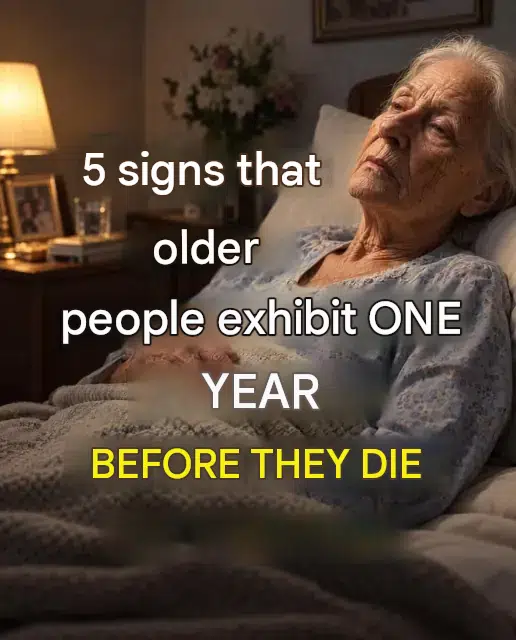
Aging is a natural part of the human life cycle, yet understanding the physical and behavioral transitions that occur in later life is often complex. Families, caregivers, and healthcare providers frequently look for indicators that can help them better support aging loved ones. Recognizing subtle shifts in health, energy, and daily habits can provide valuable insight into how the body changes over time.
In this comprehensive guide, we will explore the key physiological and behavioral signs that medical professionals and researchers have observed in older adults as they approach the final stages of life, examine the importance of proactive health care, and provide practical tips for supporting elderly family members.
Understanding Natural Changes in Later Life
As individuals advance in age, physiological reserves gradually decline. While every person’s aging journey is unique, certain patterns are frequently noted by geriatric specialists and palliative care experts.
1. Progressive Decline in Mobility and Physical Activity
One of the most noticeable shifts in older adults is a gradual reduction in physical activity and mobility. Tasks that were once easy—such as walking around the house, tending to a garden, or visiting neighbors—may become increasingly tiring. This decline often stems from reduced muscle mass (sarcopenia), joint stiffness, or general fatigue.
2. Significant Decreases in Appetite and Fluid Intake
Nutritional needs shift as metabolism slows down, but a marked, sustained drop in appetite and thirst is frequently observed in the year leading up to the end of life. Older adults may show little interest in favorite foods or experience difficulty swallowing, which can lead to unintended weight loss and reduced energy levels.
3. Increased Drowsiness and Withdrawal from Social Engagement
Energy conservation becomes a primary focus for the body. Older individuals may spend significantly more time sleeping during the day or resting in bed. Alongside physical fatigue, a noticeable withdrawal from social interactions, hobbies, and family conversations often occurs as internal focus shifts.
4. Heightened Vulnerability to Minor Infections
Immune system resilience naturally wanes with age. In the final year of life, the body’s ability to ward off common ailments—such as urinary tract infections or mild respiratory bugs—diminishes significantly. A minor infection that would normally resolve quickly can trigger rapid physical decline.
5. Subtle Cognitive and Behavioral Shifts
Family members often report subtle changes in clarity, heightened confusion, or periods of profound introspection. These shifts can be related to reduced metabolic efficiency or natural neurological changes associated with advanced age.
High-CPC Strategic Insights: Long-Term Care, Insurance, and Financial Planning
Navigating the later stages of life involves more than medical care; it requires comprehensive planning for families and caregivers.
+-----------------------------------------------------------------------+
|                ELDER CARE & FINANCIAL PLANNING MATRIX                 |
+-----------------------------------------------------------------------+
|  1. Comprehensive Health & Medical Insurance Coverage                 |
|  2. Legal Consultation with an Estate Attorney                        |
|  3. Long-Term Care & Retirement Asset Management                      |
|  4. Family Support & End-of-Life Planning                             |
+-----------------------------------------------------------------------+
Managing elder care can place substantial demands on personal finance, requiring careful evaluation of health insurance, Medicare policies, and long-term care options. Securing proper medical support ensures that aging loved ones receive the comfort and dignity they deserve. Furthermore, consulting a qualified attorney or utilizing professional legal services to establish healthcare directives, powers of attorney, and estate plans helps protect family assets and ensures that final wishes are honored. Proper planning—much like maintaining a steady investment portfolio or preparing for secure retirement—brings peace of mind during challenging times.
Practical Tips for Supporting Aging Loved Ones
Providing compassionate care for an aging relative requires patience, attentiveness, and practical organization:
- Prioritize Comfort and Quality of Life: Focus on creating a calm, soothing, and supportive environment that minimizes stress and maximizes physical comfort.
- Maintain Open Communication: Keep in close contact with doctors, nurses, and hospice professionals to understand changing care needs.
- Organize Legal and Financial Documents: Ensure that wills, healthcare proxies, and financial accounts are up to date and easily accessible.
- Support Caregiver Well-Being: Family caregivers must seek respite care and emotional support to prevent burnout.
Fascinating Facts About Aging and Gerontology
- The Study of Longevity: Gerontology research has advanced significantly, helping medical science distinguish between normal healthy aging and end-of-life physiological trajectories.
- The Role of Palliative Care: Modern palliative care focuses specifically on improving quality of life and relieving symptoms for individuals facing serious, progressive illnesses.
- Global Aging Trends: Worldwide life expectancy has risen dramatically over the past century, bringing increased focus to elder care support systems and community health resources.
Comparing Care and Support Options for Older Adults
| Care Option | Primary Focus | Best Used For |
| In-Home Caregiving | Personalized daily assistance in a familiar home environment | Seniors wanting to age in place with family support |
| Assisted Living Facilities | Community living with light medical and daily support | Individuals needing help with medication and daily tasks |
| Hospice & Palliative Care | Specialized comfort care, pain management, and emotional support | Individuals in the advanced stages of a terminal illness |
Conclusion
Recognizing the physical and behavioral signs that older adults may exhibit in their final year of life helps families approach aging with greater awareness, compassion, and preparedness. While navigating this transition is emotionally demanding, understanding these changes allows caregivers to focus on comfort, dignity, and meaningful connection.
By combining attentive medical care with proactive financial, legal, and insurance planning, families can navigate later-life transitions with confidence and peace of mind.
FAQ Section
What are the most common physical signs in the final year of life?
Common signs include progressive fatigue, increased time spent sleeping, decreased appetite, gradual weight loss, and reduced mobility.
How can families prepare for end-of-life care decisions?
Families should discuss wishes early, consult with healthcare professionals, and work with an attorney to establish legal directives and advance care plans.
Is increased drowsiness normal in advanced age?
Yes, as the body’s metabolic processes slow down, older adults often require significantly more rest and sleep.
What support is available for family caregivers?
Hospice organizations, home health aides, support groups, and respite care services offer valuable assistance to families caring for aging loved ones.
