
Every single day, millions of drivers jump into their vehicles, click their seatbelts into place, and head off to their destinations without giving a second thought to the subtle engineering details surrounding them. Automotive design is full of hidden features, clever safety mechanisms, and quiet conveniences designed to make our driving experiences safer, smoother, and more intuitive. Yet, among all the intricate components installed inside modern automobiles, one microscopic feature remains almost entirely mysterious to the average car owner: the tiny plastic stud or button attached directly to the seatbelt fabric.
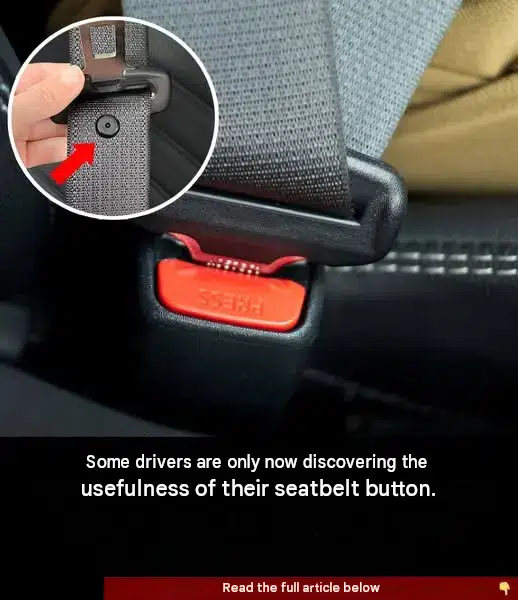
If you inspect the fabric webbing of your driver or passenger seatbelt, you will likely notice a small, round plastic stud raised slightly above the material surface. It rests just a few inches below the metal latch tongue when the belt is unbuckled. For decades, drivers have assumed this little piece of plastic was simply a manufacturing seam, a decorative cap, or an accidental residue from the factory assembly line. However, this seemingly insignificant component plays a crucial role in daily vehicle operation and ergonomic convenience.
Understanding how your vehicle works behind the scenes not only deepens your appreciation for automotive engineering, but it also highlights the clever ways manufacturers optimize user safety and comfort. From vehicle insurance considerations to vehicle maintenance, understanding every nuance of your car can save time, reduce daily annoyance, and help keep your vehicle interior operating in peak condition.
What Is the Tiny Plastic Seatbelt Button?
The technical name for this unassuming feature is a seatbelt stop button, seatbelt stud, or belt stop latch. Made from durable molded plastic, this small button is pressed or heat-welded directly through the woven polyester fibers of the seatbelt webbing.
Unlike the mechanical buckle receptacle that locks your seatbelt into place during a sudden stop, this small plastic stud has no electronic sensors, springs, or internal locking mechanisms. Instead, its function is entirely physical and structural. It serves as an immediate physical barrier along the fabric track, engineered specifically to catch the metal buckle tongue as it slides downward under gravity when the seatbelt is unhooked.
Without this tiny button in place, the sliding metal tongue would fall all the way to the floorboard every time you unbuckle your seatbelt. Over time, having to bend down, reach into tight side crevices between the seat base and door pillar, or blindly fish around under the seats would turn a routine action into an irritating daily chore.
How the Seatbelt Stop Button Works
The mechanical logic behind the seatbelt stop button relies on a simple balance between gravity, friction, and physical geometry.
- Unbuckling the Belt: When you press the red release button on the seatbelt anchor, the retractor mechanism inside the vehicle’s B-pillar pulls the slack fabric back up into the wall panel.
- The Descent of the Latch: As the fabric retracts, the heavy metal latch tongue drops downward along the fabric band due to gravitational pull.
- The Mechanical Stop: As the metal latch glides down, the center slot of the metal tongue reaches the plastic stop button. Because the diameter of the button is slightly larger than the slot opening on the latch piece, the metal buckle comes to a complete rest against the stud.
This holds the metal buckle suspended at an ideal waist-height position right beside your shoulder or hip. The next time you step into the car, your hand naturally lands directly on the metal piece without requiring you to look down or hunt around the seat crevice.
+-------------------------------------------------------------------+
|                  SEATBELT RETRACTION PROCESS                      |
+-------------------------------------------------------------------+
|                                                                   |
|   [ Seatbelt Retractor ]                                          |
|            |                                                      |
|            |  (Fabric webbing retracts upwards)                   |
|            v                                                      |
|     +--------------+                                              |
|     | Metal Latch  |  <--- Slides down until it hits the button   |
|     +--------------+                                              |
|            |                                                      |
|         (  o  )       <--- PLASTIC STOP BUTTON (Blocks latch)     |
|            |                                                      |
|            |                                                      |
|   [ Floor Anchor ]                                                |
|                                                                   |
+-------------------------------------------------------------------+
Why Is This Small Feature So Important?
While the seatbelt stop button seems like a tiny detail, its presence prevents several annoying issues and safety concerns that would otherwise impact drivers daily.
1. Eliminating Unnecessary Driver Distraction
Driving requires complete concentration on the road ahead. If a passenger or driver needs to buckle up while the vehicle is in motion or paused at a stoplight, struggling to locate a fallen buckle can take their eyes off the road. By keeping the latch instantly accessible at shoulder level, the driver can keep their focus forward and secure their belt in one smooth movement.
2. Preventing Interior Wear and Tear
Modern automotive interiors feature sensitive plastics, premium leather trims, audio components, and delicate carpet lining around the seat base. If the heavy steel buckle fell to the bottom of the floor frame every time someone unbuckled, it would repeatedly bang against the door panel, plastic kick plates, and leather upholstery. Over months and years, this constant impact would scratch the door trim, tear the seat leather, and cause unnecessary cosmetic damage.
3. Noise Prevention (NVH Reduction)
Automotive engineers invest heavily in minimizing Noise, Vibration, and Harshness (NVH) inside the cabin. A loose metal buckle rattling freely against the hard metal frame or lower plastic trim while driving over bumps creates an annoying tapping noise. The stop button ensures the buckle rests quietly against soft webbing material, maintaining a quiet cabin environment.
4. Accessibility for Mobility-Impaired Drivers
For senior drivers, individuals recovering from surgery, or people with limited mobility, reaching down into narrow floor gaps to retrieve a fallen buckle can be painful or physically impossible. Keeping the latch at an easily reachable height ensures independence and accessibility for all vehicle occupants.
What Happens When the Seatbelt Button Breaks or Falls Off?
Because the stop button is made of plastic, years of continuous use, direct sunlight exposure, or accidental slamming in car doors can cause it to crack, split, or pop loose from the fabric.
When the button disappears, drivers immediately notice the difference:
- The Disappearing Buckle: The metal tongue slides immediately down to the floor, resting in the tight gap between the seat bolster and the center console or B-pillar.
- Fumbling in the Dark: At night, finding an unanchored belt latch becomes extremely difficult, often requiring cabin light illumination or awkward reaching.
- Door Jam Pinches: Without the button holding the buckle at the correct height, the metal piece can swing into the door opening as you exit, resulting in door panel dents or damaged latches when the door is slammed shut.
How to Replace a Missing Seatbelt Button
If your vehicle’s seatbelt button breaks off, replacing it is surprisingly inexpensive and straightforward. Replacement kits can be purchased online or at local auto supply stores for just a few dollars.
+-------------------------------------------------------------------+
|               DIY SEATBELT STOP BUTTON REPLACEMENT                |
+-------------------------------------------------------------------+
| Step 1: Align the replacement male stud pin with the existing hole|
| Step 2: Push the pin straight through the woven belt webbing     |
| Step 3: Snap the female cap piece securely onto the back pin      |
| Step 4: Apply gentle pressure (or light heat) to lock in place    |
+-------------------------------------------------------------------+
Unlike complex electronic repairs or engine mechanics, fixing a seatbelt stop button requires no special tools, wiring, or expensive mechanic visits.
Other Hidden Features Inside Modern Automobiles
The seatbelt stop button is far from the only hidden design gem built into everyday vehicles. Car manufacturers include numerous subtle features to improve safety, convenience, and emergency preparedness.
| Hidden Feature | Location | Primary Purpose |
| Gas Cap Arrow | Fuel gauge cluster | Points to the side of the car where the fuel door is located. |
| Emergency Trunk Release | Inside the trunk compartment | Glow-in-the-dark handle allowing escape if trapped inside. |
| Rear Door Child Locks | Inside edge of rear passenger doors | Prevents young children from opening doors from the inside. |
| Headrest Removal Rods | Bottom pins of adjustable headrests | Can be pulled out completely to break side glass in water emergencies. |
| Hidden Keyhole Cap | Driver door handle base | Conceals a mechanical keyhole for manual unlocking during battery failure. |
The Intersection of Vehicle Safety, Maintenance, and Financial Protection
Understanding your vehicle’s mechanics and keeping its components in proper working condition goes hand in hand with smart car ownership and financial protection. Maintaining small interior components like seatbelts, safety clips, and warning lights is an essential part of total vehicle care.
The Role of Auto Insurance and Vehicle Inspections
Keeping your car’s safety systems fully functional is crucial for automotive insurance compliance and passing state safety inspections. During routine vehicle safety checks, technicians inspect seatbelt retractors, latches, and fabric condition. Damaged, frayed, or modified seatbelt webbing can cause a vehicle to fail inspection, potentially requiring immediate repair to maintain legal driving status and valid insurance coverage.
When purchasing comprehensive auto coverage or collision policies, insurance providers evaluate vehicle safety ratings and equipment features. Properly functioning occupant protection systems—including fully operational seatbelts, airbags, and anti-lock brakes—play a central role in overall vehicle crashworthiness ratings.
+-------------------------------------------------------------------+
|               ESSENTIAL VEHICLE CARE CHECKLIST                    |
+-------------------------------------------------------------------+
| [ ] Inspect seatbelt fabric for fraying or mechanical jams       |
| [ ] Ensure seatbelt stop buttons are securely in place            |
| [ ] Test emergency trunk releases and interior door child locks   |
| [ ] Verify all dashboard indicator lights function during start   |
| [ ] Maintain valid auto insurance and regular service records    |
+-------------------------------------------------------------------+
Fascinating Facts About Automotive Seatbelt History
- Invented by Volvo: The modern three-point lap-and-shoulder seatbelt was invented by Volvo engineer Nils Bohlin in 1959.
- Open Patent for Safety: Recognizing its potential to save lives globally, Volvo chose to leave the patent open to all automotive competitors for free rather than profiting from the design.
- Primary Life-Saver: Highway safety research indicates that wearing a properly functioning seatbelt reduces the risk of fatal injury in front-seat passenger car crashes by 45% and moderate-to-critical injury by 50%.
- Micro-Engineered Webbing: Seatbelt fabric is tightly woven from high-tenacity polyester fibers capable of supporting thousands of pounds of force without snapping, while stretching slightly under extreme load to absorb kinetic impact energy during a crash.
Practical Tips for Maintaining Your Seatbelt Assemblies
To ensure your seatbelts function smoothly and last throughout the lifecycle of your vehicle, follow these maintenance tips:
- Keep the Fabric Clean: Sticky beverages, dirt, and dust can collect on the belt fabric, causing it to retract slowly or jam inside the B-pillar guide. Clean belts using mild soapy water and a soft micro-fiber cloth, allowing the belt to air-dry completely before letting it retract.
- Avoid Harsh Chemicals: Never use bleach, harsh chemical solvents, or strong detergents on seatbelt fabric, as chemical reactions can degrade the high-tensile polyester fibers and weaken the material structure.
- Inspect for Fraying: Periodically pull the seatbelt all the way out to inspect for tears, frayed edges, or damaged stitching. If the belt shows structural wear, have it replaced immediately by a certified technician.
- Replace Damaged Stop Buttons: If your plastic stop button missing or loose, replace it promptly so the buckle remains easily accessible, preventing wear to your interior side panels and seats.
Conclusion
The next time you step into your automobile and pull your seatbelt across your chest, take a quick glance at that tiny round plastic button attached to the webbing. What appears to be an insignificant piece of plastic is actually a thoughtful, practical solution engineered to eliminate daily frustration, prevent interior cabin damage, reduce noise, and keep vital safety hardware right at your fingertips.
Automotive engineering isn’t just about high-horsepower engines, advanced electric drivetrains, or autonomous navigation systems—it’s also about the subtle, user-centered details designed to make everyday life safer and more comfortable. Paying attention to these small features allows you to enjoy a safer, better-maintained, and more efficient driving experience every time you turn the key.
Frequently Asked Questions (FAQ)
What is the primary purpose of the small button on a seatbelt?
The small plastic button (often called a seatbelt stop button or belt stop stud) keeps the metal buckle tongue from sliding all the way down to the vehicle floor when the seatbelt is unbuckled. It holds the buckle at shoulder height for convenient reaching every time you enter the vehicle.
Can I drive safely if the seatbelt stop button falls off?
Yes, the absence of the plastic stop button does not impact the structural strength or restraint capabilities of the seatbelt during a crash. However, without it, the metal buckle will slide down to the bottom of the belt, making it harder to reach and potentially scratching your vehicle’s door frame or interior panels.
How do I install a replacement seatbelt button?
Replacement stop buttons come in two plastic pieces: a male pin end and a female cap end. Simply push the pin through the woven fabric where the old button was located, align the cap on the opposite side, and press them firmly together until they lock in place.
Will cleaning my seatbelts damage the stop button or fabric?
Cleaning seatbelts with mild dish soap and warm water is safe and recommended. Avoid using harsh chemical solvents, bleaching agents, or abrasive scrubbers, as these can weaken the polyester webbing fibers and degrade plastic hardware.
Why does my seatbelt retract slowly even if the button is attached?
Slow retraction is usually caused by dirt, oils, and grime built up along the fabric webbing, or friction inside the upper shoulder loop guide. Cleaning the entire length of the belt with soapy water and wiping down the shoulder anchor loop often restores quick retraction.
